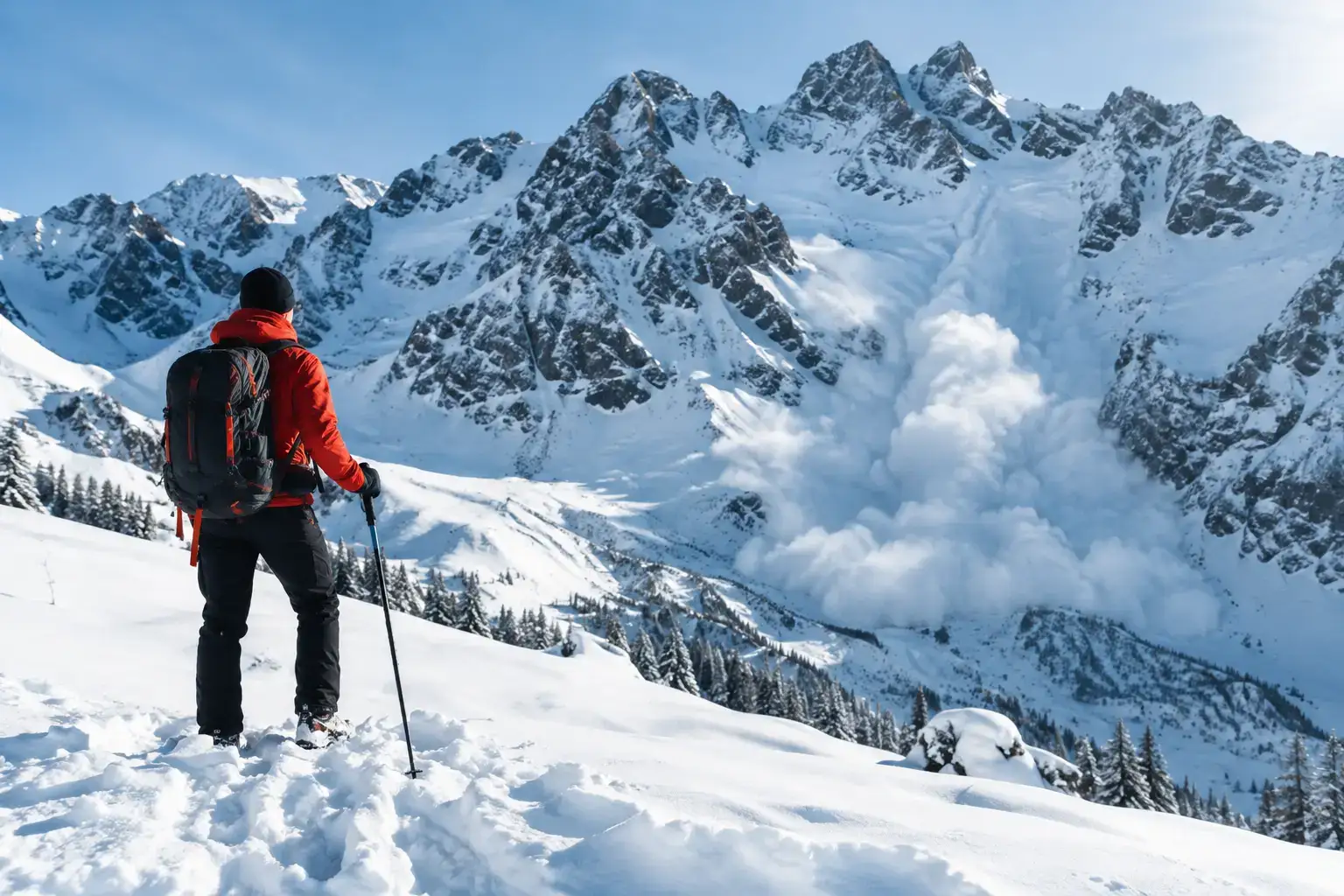
winter
Avalanches in the Tatras: the rules that save lives
Avalanches in the Tatras do not forgive a rush. Check the bulletin, the weather, the ground and the decisions that help you get back safely from a ski tour or a hike.
Comparing the two most famous trails from Kuźnice: Giewont (chains, exposure, cross) vs Kasprowy Wierch (cable car, safe trail, panorama). Which is right for you?
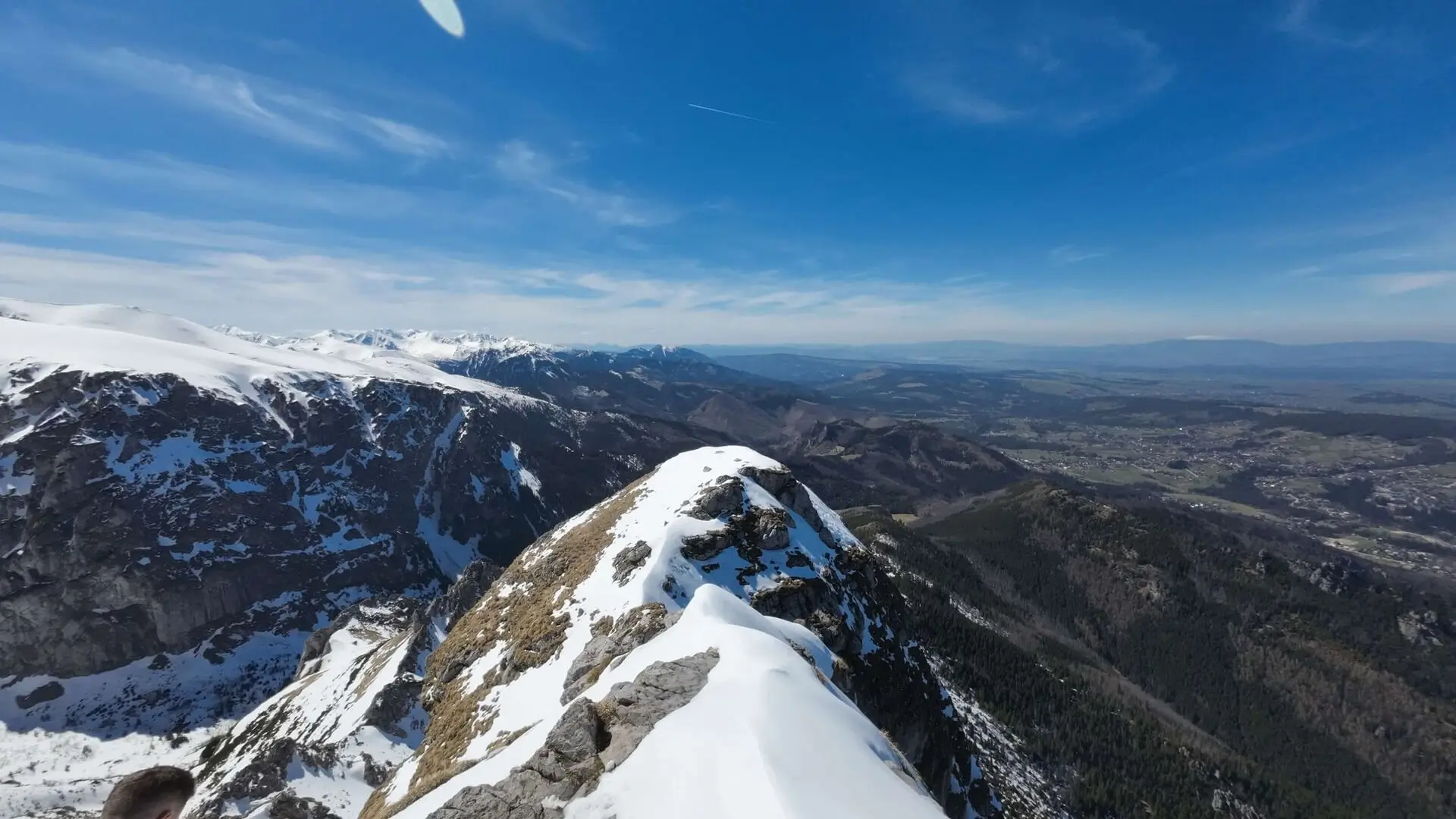
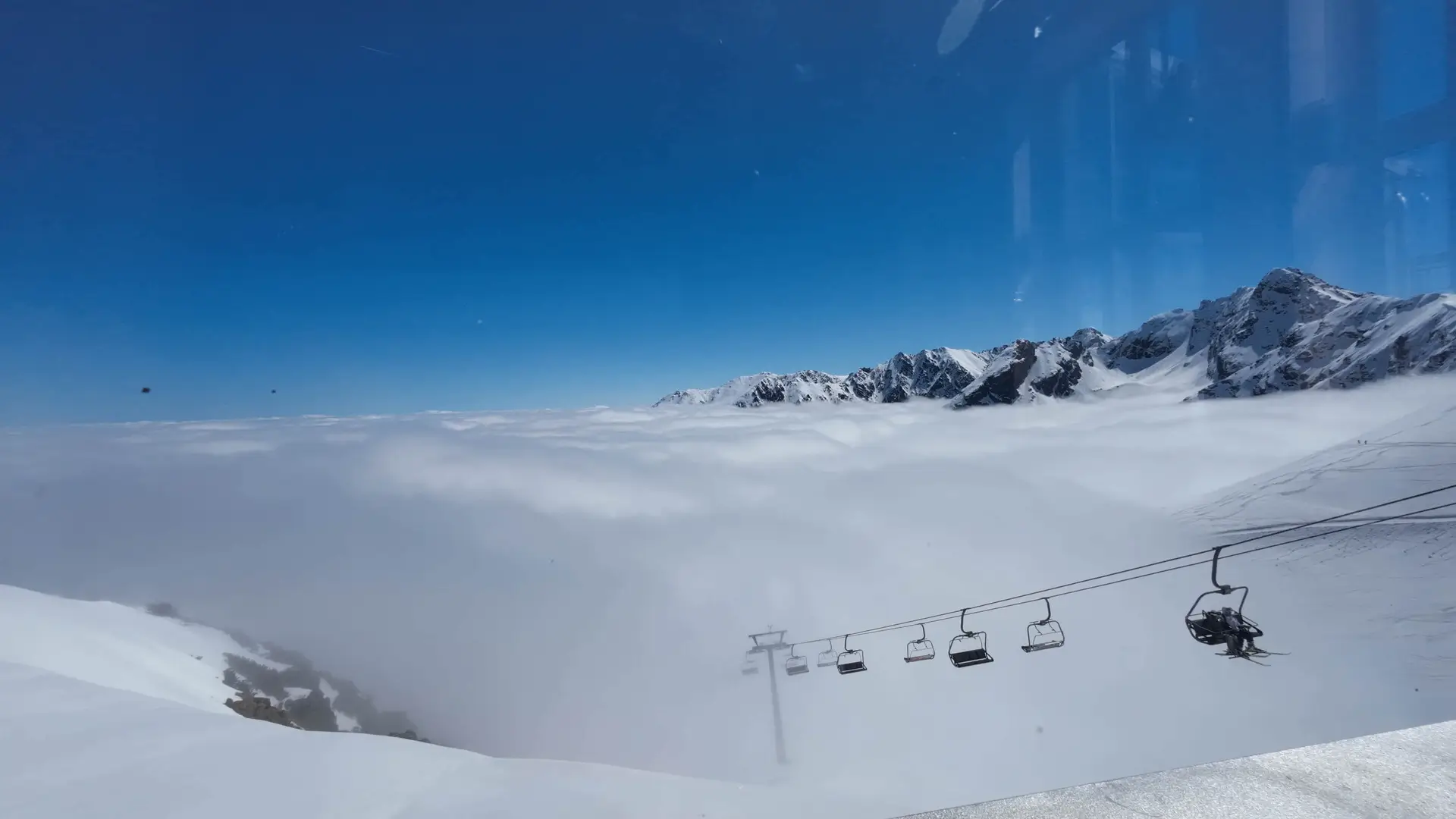
Side-by-side breakdown of 7 key factors determining safety and trail difficulty.
Chains on the summit dome, one-way traffic system
No artificial aids (chains/ladders)
Steep drops beneath your feet, slippery limestone
Wide, safe ridge trail
Stone trail, very polished limestone near the top
Comfortable stone walkway and forest path
Giewont is technically more demanding (grade 3/5 vs 2/5). Kasprowy Wierch makes for an easier, safer outing.
Technically Giewont is significantly more demanding due to chains on the summit dome, sheer drops, and slippery polished rock. Aerobically, both require similar endurance (~5.5 to 6 hours and 900+ meters of elevation gain from Kuźnice).
No, the walking path from Kuźnice to Kasprowy Wierch (green trail via Myślenickie Turnie) has zero chains or iron rungs. It is a well-paved stone mountain walkway.
Avalanches in the Tatras do not forgive a rush. Check the bulletin, the weather, the ground and the decisions that help you get back safely from a ski tour or a hike.
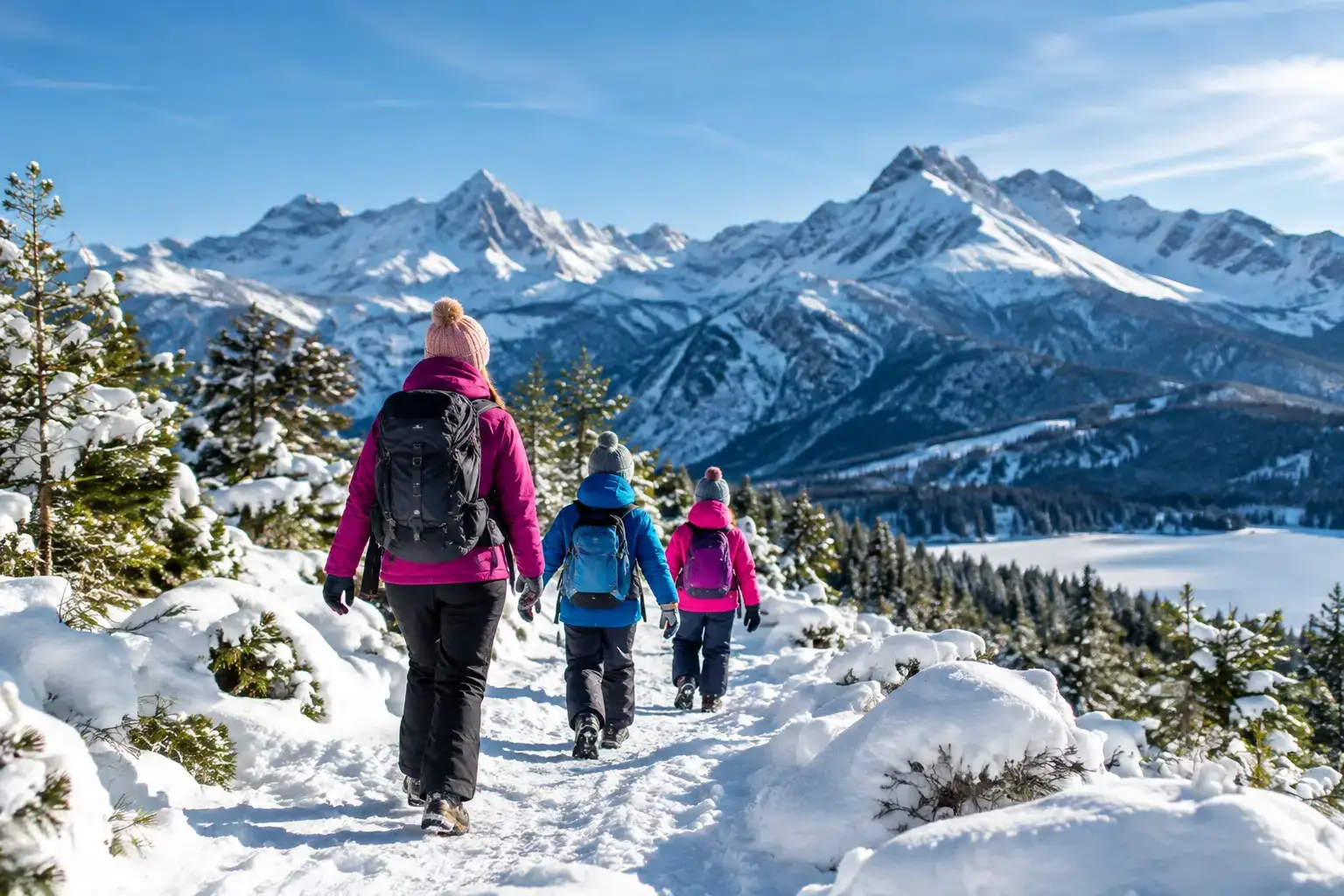
See where to go in the Tatras in winter with children, safely: valleys, meadows and places in Slovakia, plus how to pick a route for a family day in good conditions.
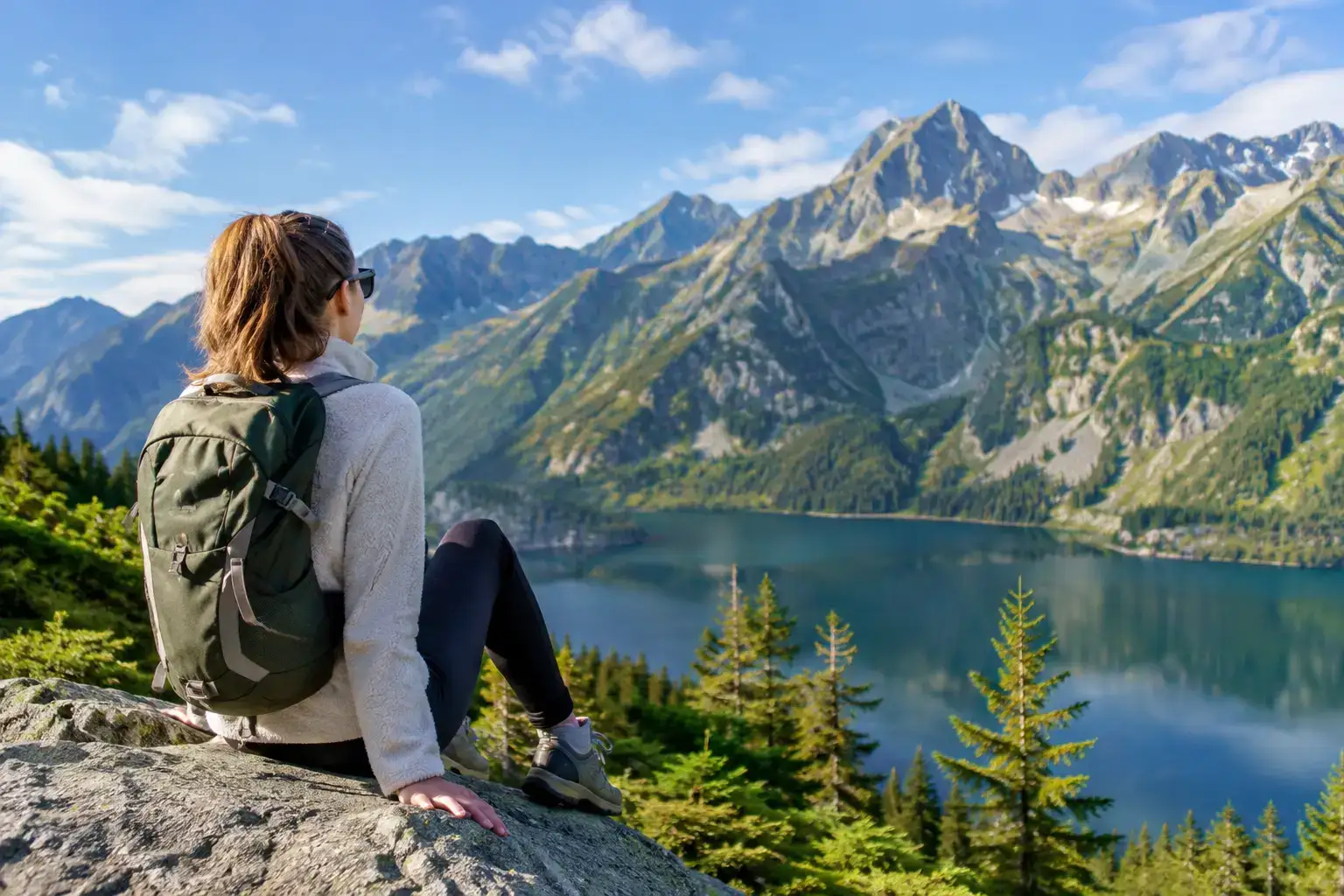
Tatra sights with little effort: reliable places, cable cars and short walks when you want to see the mountains without a long hike or extra risk.