winter
Where to go in the Tatras in winter with children? 8 reliable places
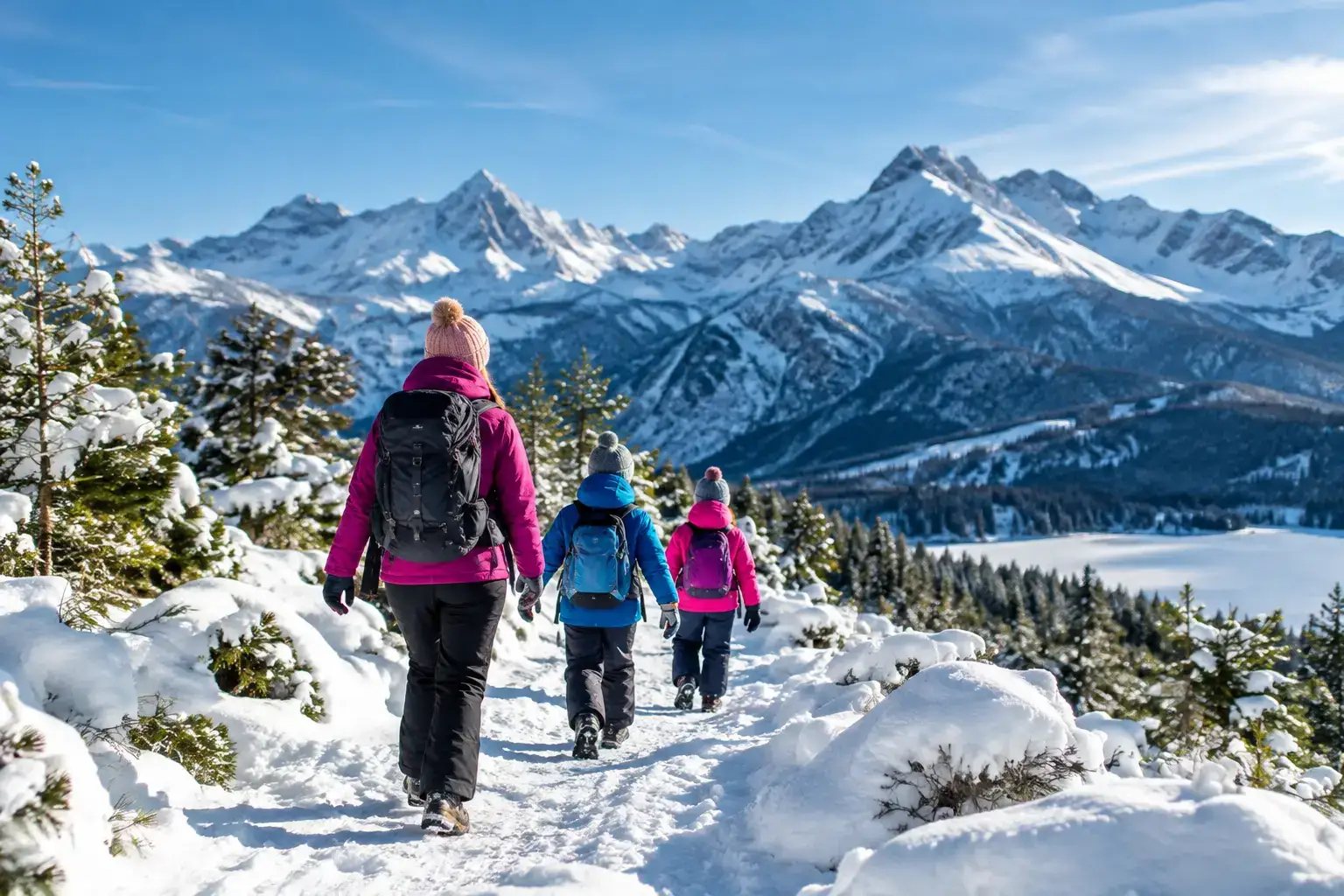
See where to go in the Tatras in winter with children, safely: valleys, meadows and places in Slovakia, plus how to pick a route for a family day in good conditions.
Avalanches in the Tatras do not forgive a rush. Check the bulletin, the weather, the ground and the decisions that help you get back safely from a ski tour or a hike.
Author: Konrad Leśniak7 min read
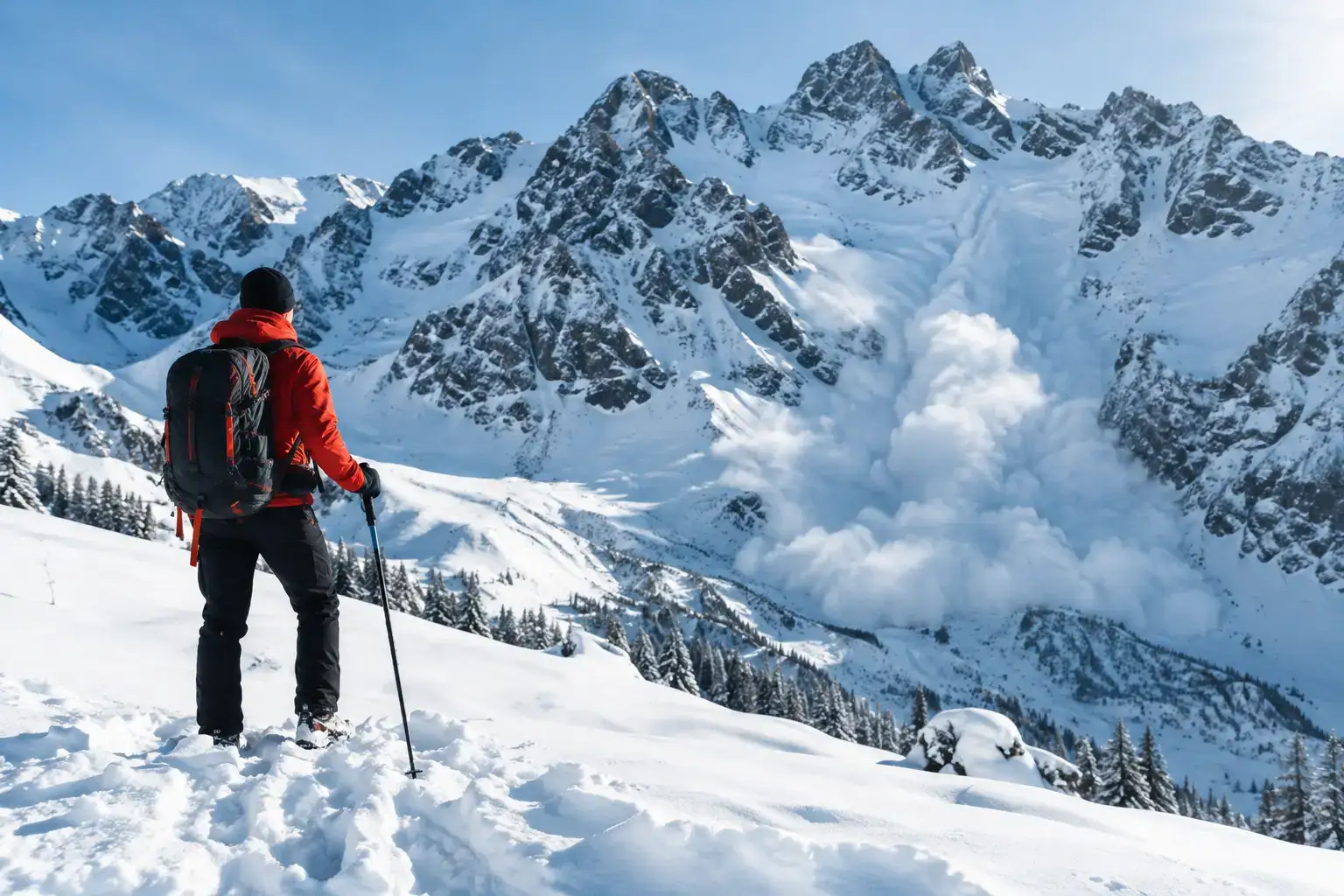
The first track in fresh snow looks beautiful only until it leads under a steep wall, into a gully, or onto a wind-loaded slope. Avalanches in the Tatras are not a problem only for high-mountain skiers. In winter the danger also applies to walkers in crampons, people going “only” to a mountain hut, and groups who decided that if they know the trail from summer, winter will not surprise them. In the mountains, assumptions like that do the most damage.
This is not about sitting in Zakopane from November to May with an oscypek, watching the snow from Krupówki. It is about being able to drop a particular goal when the conditions stop making sense. The Tatras are small on the map, but steep, windy and very changeable. In a few hours a gentle valley can turn into an icy route, and a slope that looks calm into a place you should not even cross.
The greatest risk appears off the safe line of a winter trail, on steep open slopes, in gullies, under walls, and where the wind has drifted the snow. The classic trap is going above the treeline after a fresh fall. Visibility is often poor, the track disappears, and a person follows instinct or someone else’s footprints. Footprints are not a certificate of sense.
An avalanche can release on its own, but very often the trigger is a skier, a snowboarder or a walker. It is enough to load a weak layer of snow on a slope that is steep enough. The problem is that from the surface you cannot always see what is happening deeper. Powder can look like a winter postcard, and under it there can be a hard layer of ice, a frozen crust, or snow crystals that bind the whole pack poorly.
Not every winter trail is avalanche ground to the same degree. A walk along the floor of Dolina Chochołowska is a completely different scale of risk from a climb of Rysy, Kasprowy Wierch from the high-mountain side, or a crossing near Zawrat. But even in a valley you have to look up. An avalanche does not have to start exactly under your boots to end up on your route.
Before a winter trip you check the avalanche bulletin, the weather forecast and the current conditions on the route. All three. The danger level on its own is not enough, because the bulletin also describes where the problem is: at which heights, on which slope aspects, and in which part of the day.
The five-level scale does not work like a school grade. Level one does not mean complete safety, and level two is not a signal that “you can go anywhere”. In the Tatras many accidents happen precisely at moderate danger, when the conditions still seem acceptable, but weak layers occur in places. It is enough then to step into the wrong gully or onto a wind-loaded slope.
At level three you have to cut your ambitions very clearly. This is not the moment for solo experiments, for climbing an unknown summit, or for shortening the route across open ground. Levels four and five mean high-mountain goals should be crossed out with no negotiation. The mountain will not award points for stubbornness, and the story of the trip will not be better because you come back from it by helicopter.
It is also worth reading the weather description for the snow, not only the temperature. A strong wind can move huge amounts of snow onto lee slopes and build wind slabs. A fresh fall, a thaw, rain on snow, a sudden frost after a melt: each of these changes how stable the pack is. A sunny morning after a snowstorm does not automatically mean a good day for a ridge.
You can have excellent stamina, light crampons and thousands of kilometres run on asphalt. That does not protect you from an avalanche. On avalanche ground, what matters is recognising the steepness, the shape of the slope, and the places where snow collects.
The most suspicious slopes are those at roughly 30-45 degrees. You do not have to pull out an inclinometer at every bend. If the ground is clearly steep, wide, open and buried in snow, assume it needs a judgement. Gullies are especially deceptive, because they collect snow from a wide area and funnel an avalanche straight down like a gutter.
Concrete signals warn you too: fresh avalanches nearby, cracks spreading from skis or boots, a dull whumpf under the snow, wind-drifted pillows, and snow that looks clearly different from its surroundings. One signal like that is not material for a debate in the group chat. It is a reason to turn back, or to choose ground with less exposure.
Trees do not guarantee safety either. A sparse wood on a steep slope will not stop a large avalanche, and if you are carried into it the risk of injury goes up. Denser forest on gentle ground is often safer, but it always depends on the local situation and on what lies above.
If you are planning ski touring, freeride, or a trip into ground where you could realistically trigger an avalanche, the ABC set is the baseline: an avalanche transceiver, a probe and a shovel. An airbag pack can improve the odds, but it does not replace sensible planning. A phone, a map app and an ice axe are not rescue kit for a search under the snow.
The most important point is brutal: kit does not make the ground safe. A transceiver works when everyone in the group has one, knows how to use it, and has practised searching for someone buried. The probe is for locating precisely, the shovel for digging out. It is a race against time, and waving the kit around in a panic helps no one.
On an ordinary winter walking route the ABC set will sometimes not be needed, but crampons, poles, a headlamp, an offline map, a charged phone, warm layers and spare time will. Do not automatically put crampons in the same bag as avalanche safety. Crampons help on ice. They will not protect you from an avalanche at all.
If you have no experience, the best investment is not another gadget. It is a winter-touring course and first outings with a competent instructor or guide. Learning to judge snow in practice sorts out more than a hundred reels watched the evening before the trip.
In the mountains, decisions are made before you walk into the problem, not when half the group is already standing on the slope. Agree an alternative route, a turnaround time, and a simple rule: anyone can say “I’m not going any further” without having to explain their fitness or their courage.
The worst mechanism is the pressure of the goal. Someone came only for the weekend, someone made a booking, someone has dreamed of a particular summit for a year. All of that is understandable, but the snow does not know what the night cost. If the conditions are bad, you pick a valley, a mountain hut, a route in the forest, or a rest day. The Tatras are not going anywhere, and with a good plan you will come back for the right route.
On ground that looks avalanche-prone, you do not walk as a tight group, one beside the other. Limit the time you are exposed, watch your partners, and do not stop in places where something can come down from above. These are not rules for people who worry too much. They are basic discipline, like fastening a seatbelt before you drive.
Turning back can be irritating. Especially when the summit is close, the weather in the valley looks good, and a photo of the route from a perfect winter day is waiting on your phone. But in the mountains a good decision often does not look impressive. Sometimes it is saying, after an hour of walking: “no, not today”.
If you are planning the Tatras in winter, pick goals that match the bulletin, the experience and the whole group, not the most ambitious person in it. When you have a shadow of a doubt, drop to an easier route, watch the conditions, and keep the energy for the next day. The finest winter view still tastes good when you are looking at it from a place everyone gets back from under their own power.
Newsletter
A few times a year: trail conditions, closures, the best time to go and new routes. No weekly spam.
See where to go in the Tatras in winter with children, safely: valleys, meadows and places in Slovakia, plus how to pick a route for a family day in good conditions.
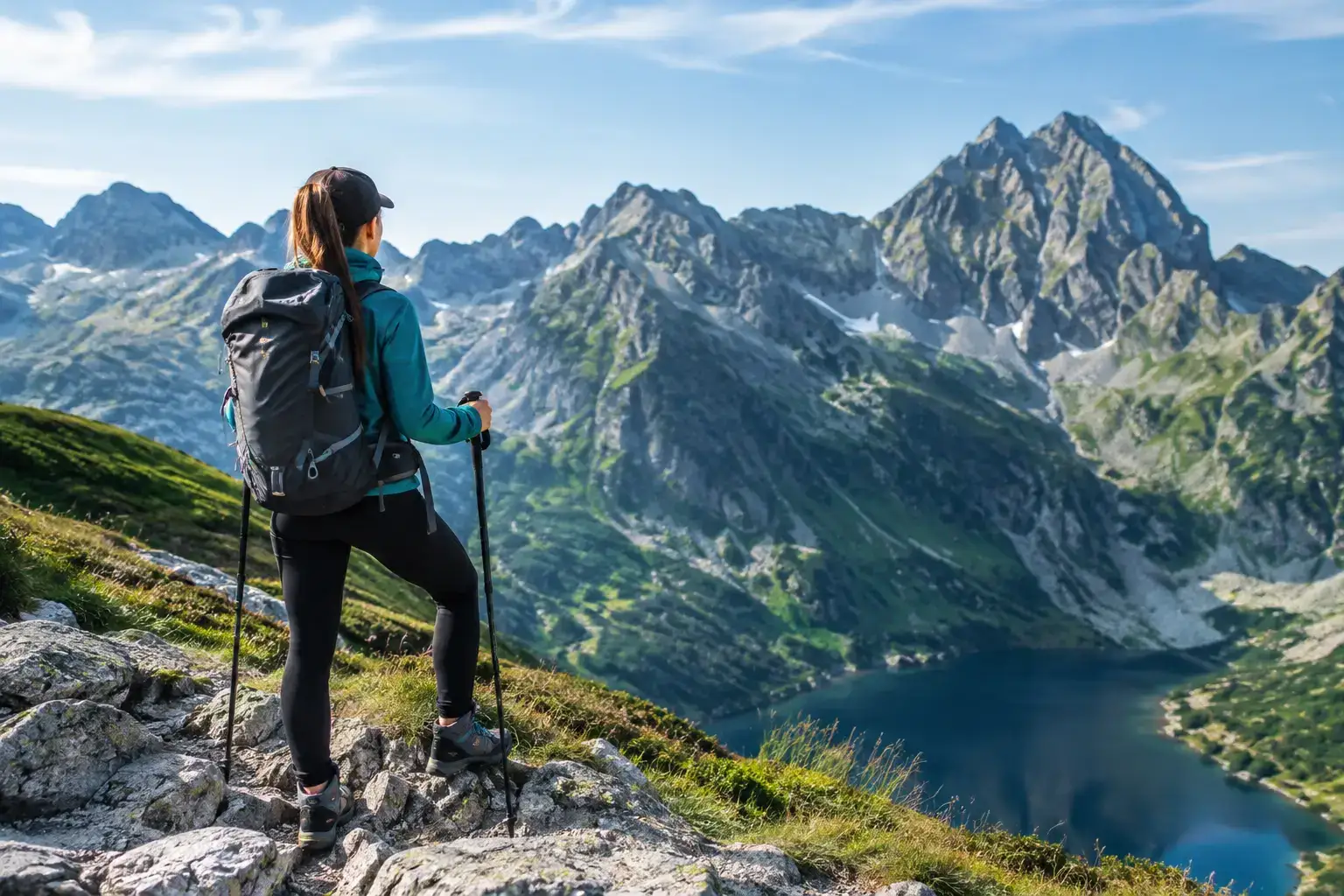
How to plan a trip up Rysy: the route, the weather, the kit, the fitness and the decisions that let you enjoy the summit without needless risk in the Polish Tatras.
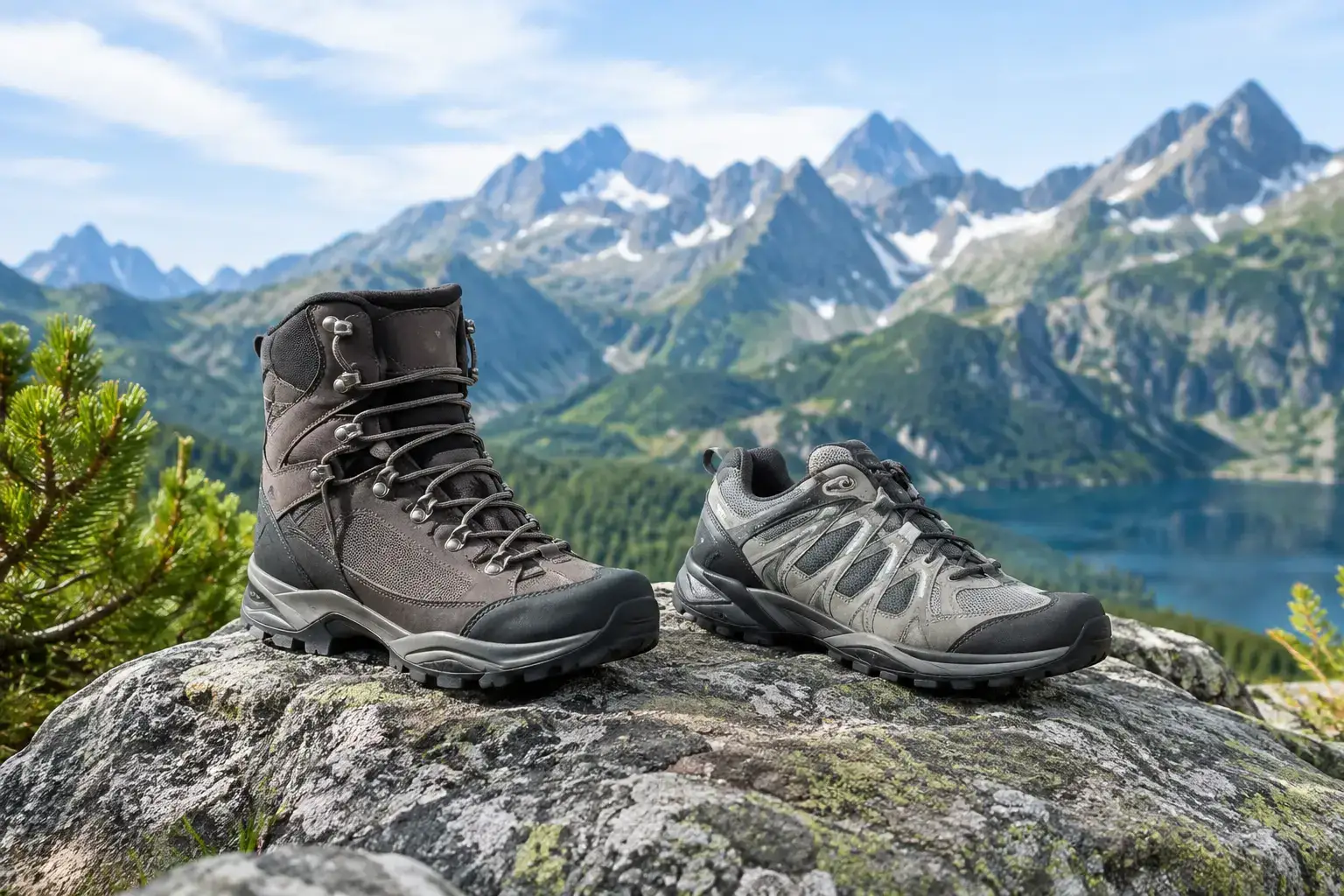
High boots or low shoes for the Tatras? See when the ankle needs support, and when a lighter shoe makes more sense on a Tatra trail.
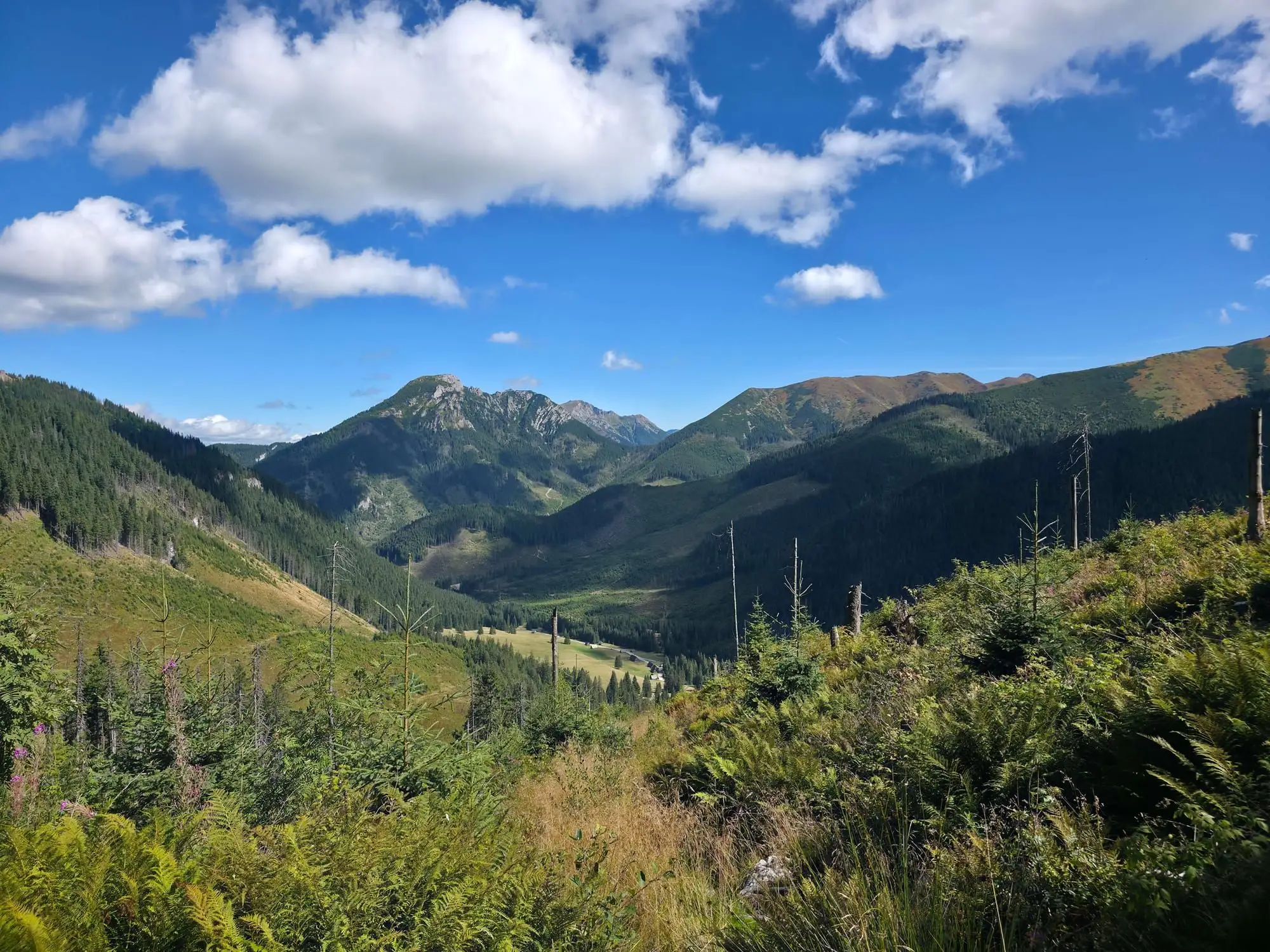
Start: Siwa Polana (Chochołów Valley) · via Panorama of the Slovak Roháče and The mountain hut at Chochołów Glade
Start: Kuźnice · via Murowaniec mountain hut and Czarny Staw Gąsienicowy
Start: Siwa Polana (Chochołów Valley) · via Panorama of Jakubina and Cliffs above Jamnicka Valley
These are affiliate links. If you book a stay or a ticket through them, we earn a small commission, for coffee :), at no extra cost to you.