Morning in the Roháče is gorgeous, the trail is dry only for the first few kilometres, and the forecast looked “fair enough”. Then comes a slip on a wet stone, a twisted ankle, and a problem that a plaster from your first aid kit won’t fix. Do you need insurance in Slovakia? If you’re only heading to Liptovský Mikuláš for lunch, the risk is different. If you’re planning on hiking in the Slovak Tatras, the answer is: yes, you definitely need it.
💡 In a nutshell – Insurance in Slovakia:
The EHIC is not enough: It covers basic healthcare, but DOES NOT pay for mountain rescue (HZS) or helicopter flights.
Rescue costs: The Slovak Mountain Rescue Service (HZS) charges for interventions. Without a policy, the bill can run into thousands of euros.
What the policy must have: Explicitly stated coverage for mountain rescue and search operations (not just medical expenses).
Pay attention to exclusions: Make sure the insurance covers your activity (e.g., hiking on trails with chains often requires a high-risk sports extension).
Not because every mountain hike is destined to end in drama. But because most accidents start trivially: a misstep, sudden bad weather, losing the trail in thick fog, or exhaustion in someone who “was in great shape” on paper. On the Slovak side, mountain rescue is not included as an add-on to your European health card.
The EHIC in Slovakia: useful, but not for everything
The European Health Insurance Card (EHIC / GHIC) grants access to medically necessary healthcare within the public health system under the same conditions as Slovak residents. In other words: if you fall ill or suffer an injury and end up in a public facility, the EHIC can substantially reduce medical treatment costs.
It is a great asset and well worth getting before your trip. However, never treat the EHIC as mountain insurance. It does not cover the cost of rescue operations carried out by the Mountain Rescue Service, Horská záchranná služba (HZS). And that exact bill is often the most painful, especially when reaching the injured person requires navigating technical terrain or deploying a helicopter.
The EHIC also doesn’t solve every logistical hurdle. Private medical care, medical repatriation back home, accommodation costs for a family member, or certain co-payments may all come out of your own pocket. The card is a foundation, not a complete safety plan.
Do you need mountain insurance in the Slovak Tatras?
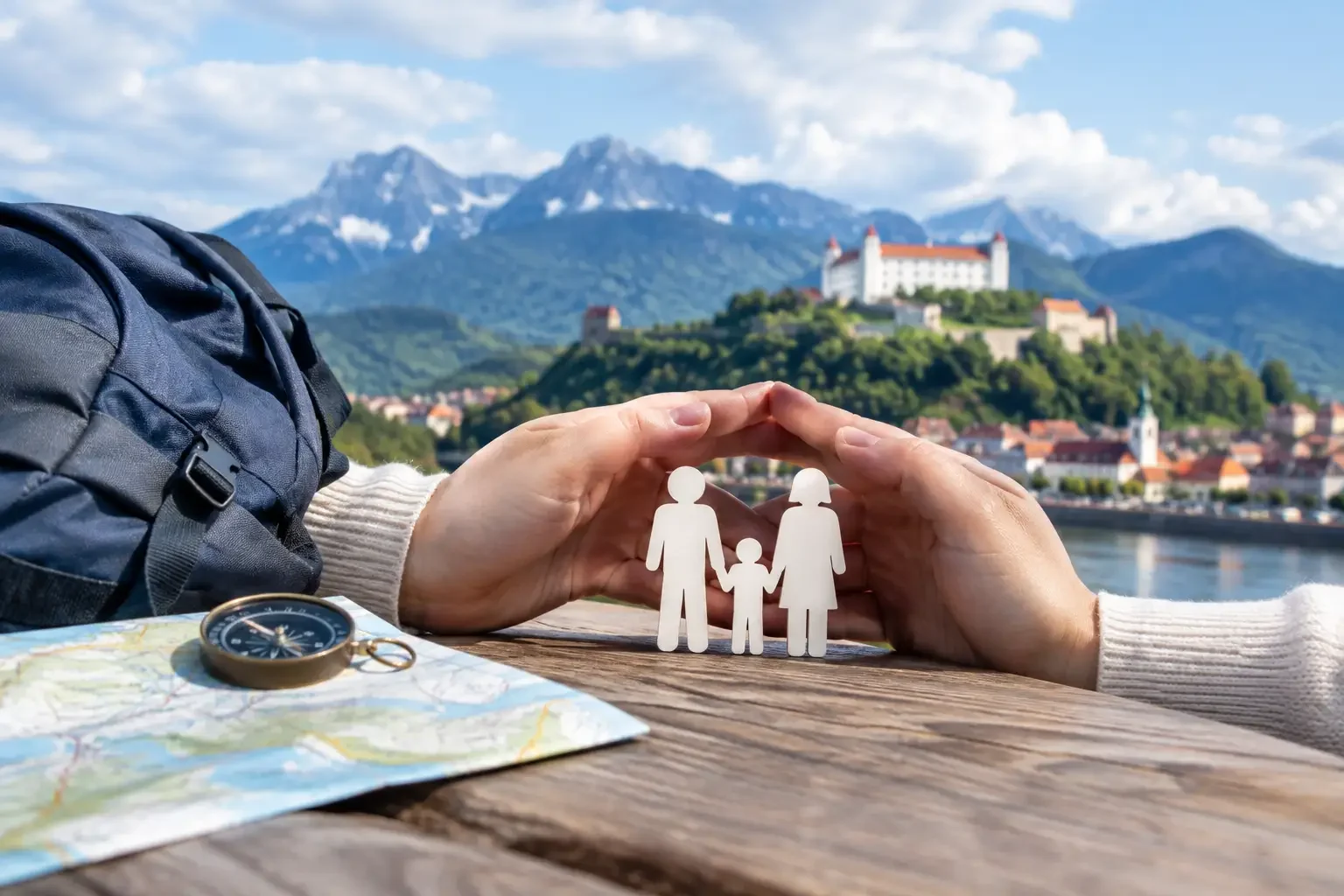
In the Slovak Tatras, commercial travel insurance that covers mountain search and rescue should be standard gear, just like a waterproof jacket and a headlamp in your backpack. It isn’t a purchase meant to put you in a good mood before leaving. Its job is to shoulder the cost when you no longer have the strength or the means to make safe, rational choices on your own.
Slovakia’s HZS operates across mountainous areas, assisting hikers, skiers, and climbers. You can be billed directly for any rescuer intervention. This applies to severe emergencies as well as call-outs that might seem minor to the hiker: getting stranded on an exposed section, a knee injury several kilometres from a mountain hut, or getting lost after dark.
Don’t assume a helicopter will fly out for every sprained ankle. Rescuers assess the situation, conditions, and availability, and bad weather can easily ground aircraft. But if a flight is required, the bill quickly ceases to be a minor holiday inconvenience. Without insurance, the invoice can easily exceed your entire holiday budget.
What your mountain policy should cover
Look for travel insurance that explicitly covers mountain search and rescue in Slovakia. A high medical expenses limit alone is not enough. These are two distinct coverage items, and this distinction is where many people get tripped up when buying the cheapest policy in five minutes.
A solid policy for the Slovak Tatras should cover medical expenses, mountain rescue, search operations, and medical repatriation. It is also wise to include personal liability insurance (civil liability). If you accidentally dislodge a loose rock onto someone below, collide with another person on a slope, or cause injury through an honest mistake, saying “sorry” won’t settle the matter.
24/7 emergency assistance is just as valuable. Following an accident, the last thing you want is trying to locate a hospital in Slovak, negotiating payment terms, or figuring out how to get home with an immobilised leg. Focus on your health first, then let the insurer handle the rest.
There is no single magic limit that suits everyone. A family strolling through Bielovodská Dolina (Biała Woda Valley) has different requirements than someone tackling the Roháče ridge, Kriváň, or chained trails in the High Tatras. The rule is simple: never choose a policy based on the lowest price alone, and never skimp on rescue coverage. A difference of a few euros or pounds at checkout can translate into thousands after an accident.
Read the exclusions before you hit the ridge
The most tedious part of the document often turns out to be the most crucial. Policy terms and conditions define hiking, mountaineering, climbing, and high-risk sports in very different ways. For one insurer, an ordinary marked trail with safety chains is covered under standard trekking; for another, it may require a hazardous sports extension. Don’t guess — read the definitions before you pay.
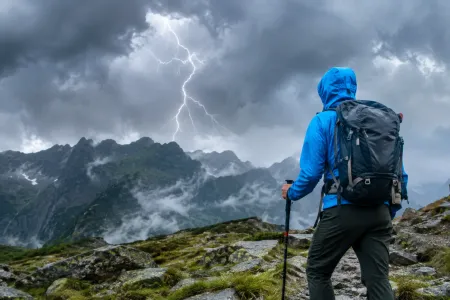
Be particularly vigilant if you plan on off-trail hiking, climbing, ski touring, off-piste skiing, via ferratas, or winter objectives with an alpine character. In the Slovak Tatras, not everything that looks like an “outing” qualifies as ordinary hiking. Even in mid-summer, wet granite after rain, lingering snow patches in gullies, and a thunderstorm on an exposed ridge will strip away any gentle stroll character in minutes.
An insurance policy is also not a pass for recklessness. A closed trail remains closed, a storm warning is not a casual suggestion, and pushing high into a downpour doesn’t become sensible just because you have an emergency number saved. Insurers can investigate the circumstances of an incident, and gross negligence, alcohol consumption, or an unlisted high-risk activity can result in a refusal to cover costs.
How to buy insurance without getting lost in offers
First, define your actual itinerary, not an idealized fantasy of it. Pin down the specifics: valley walks and huts, high-mountain scrambles, cycling, skiing, climbing, or city sightseeing. Only then start comparing coverage. Someone heading for a weekend in Poprad needs something very different from a crew planning to traverse Orla Perć on the Polish side before tackling the Roháče.
Before buying, check four key items: whether the policy is valid in Slovakia, whether it covers HZS search and rescue, the monetary limits for medical care and rescue, and whether your chosen activity requires an add-on rider. Make sure to note down the emergency assistance phone number and policy number, and save an offline copy on your phone. Mobile reception in deep valleys and under cliff faces can be far more fickle than weather app forecasts.
If you are travelling in a group, don’t assume a single “group policy” automatically covers everyone and every activity equally. Verify each participant’s details, coverage dates, and specific clauses regarding children. A family trip with little ones on an easy walk doesn’t remove the need for caution — children cool down much faster, and a long retreat with an injured parent quickly turns into a logistical nightmare for the whole party.
What to do after an accident in the Slovak mountains
In an emergency, call for help immediately. In the Slovak mountains, the dedicated HZS emergency number is 18 300, and the general European emergency number is 112. State your location, trail name or landmark, group size, nature of injuries, current weather conditions, and victim’s status. Do not move someone who has suffered a severe trauma unless there is immediate environmental danger.
Once the situation is stabilized, contact your insurer’s assistance centre. Keep all medical documentation, invoices, and receipts. That doesn’t mean frantically snapping photos of paperwork while someone is hypothermic on the trail. The order of priorities is always the same: life and health first, calling for rescue, paperwork later.
When heading into the Slovak Tatras, bring both your EHIC and mountain rescue insurance, but never treat these documents like a lucky charm. The cheapest rescue operation is the one that never has to be launched: turn around before the storm hits, pace your route to the least experienced person in the group, and leave plenty of daylight for the descent. Mountains don’t reward ambition at all costs, but they are very quick to hand you the bill for ignoring conditions.

 2026-10-02
 2026-10-04
 2026-10-03
 2026-10-01
 2026-09-30
 2026-09-28
 2026-09-27
 2026-09-26
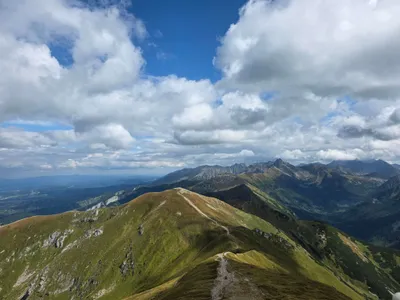 Distance: 18.5 kmDuration: 8 h 09 min
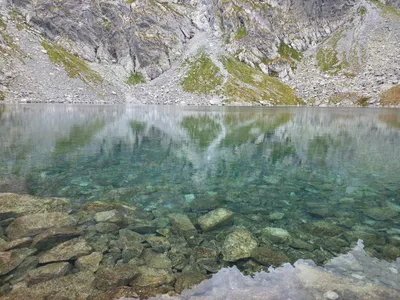 Distance: 24.7 kmDuration: 7 h 38 min
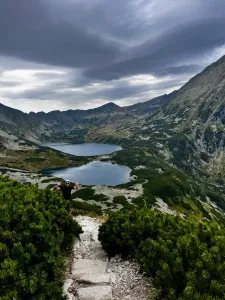 Distance: 16.5 kmDuration: 5 h 45 min
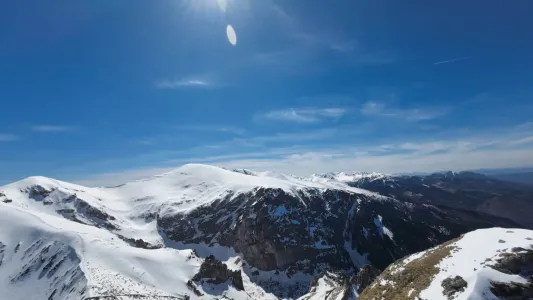 Distance: 6 kmDuration: 3 h 15 min
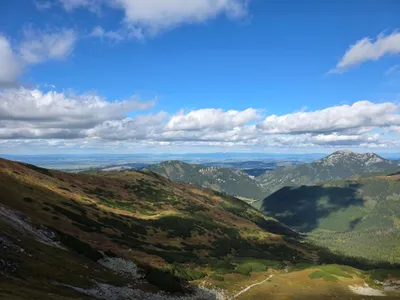 Distance: 18.1 kmDuration: 6 h 50 min