Nothing is more annoying than a 5 a.m. alarm, the drive to the mouth of a valley, and a sign saying you cannot go any further. The question of when trails close in the Tatras has two different answers, though: one for the Polish side and one for the Slovak side. On top of that come sudden closures, after a windstorm, heavy rain, ice, or work on the route.
The short version is this. In the Polish Tatras the whole high-mountain network is not shut every year, only selected sections. In Slovakia a broad seasonal closure covers most trails above the mountain huts. If you are planning a border crossing, the Roháče, Kriváň or the Slovak tarns, one unchecked date can wipe out the whole day.
When do trails close in the Tatras on the Polish side?
Tatra National Park (TPN) brings in yearly closures of selected trails mainly from 1 March to 15 May. The point is not to spoil the day for people who absolutely want a summit on the May long weekend. This is the breeding season, and late winter is still going on higher up. Chamois, marmots and birds of prey do not need another group of hikers cutting across a quiet valley.
The closures usually cover less busy sections, often through secluded valleys, passes and the upper forest zone. The exact list of routes can change, so do not build a plan on a graphic saved on your phone three years ago. Before you go, check the park’s current notice and the status of the specific section on the map.
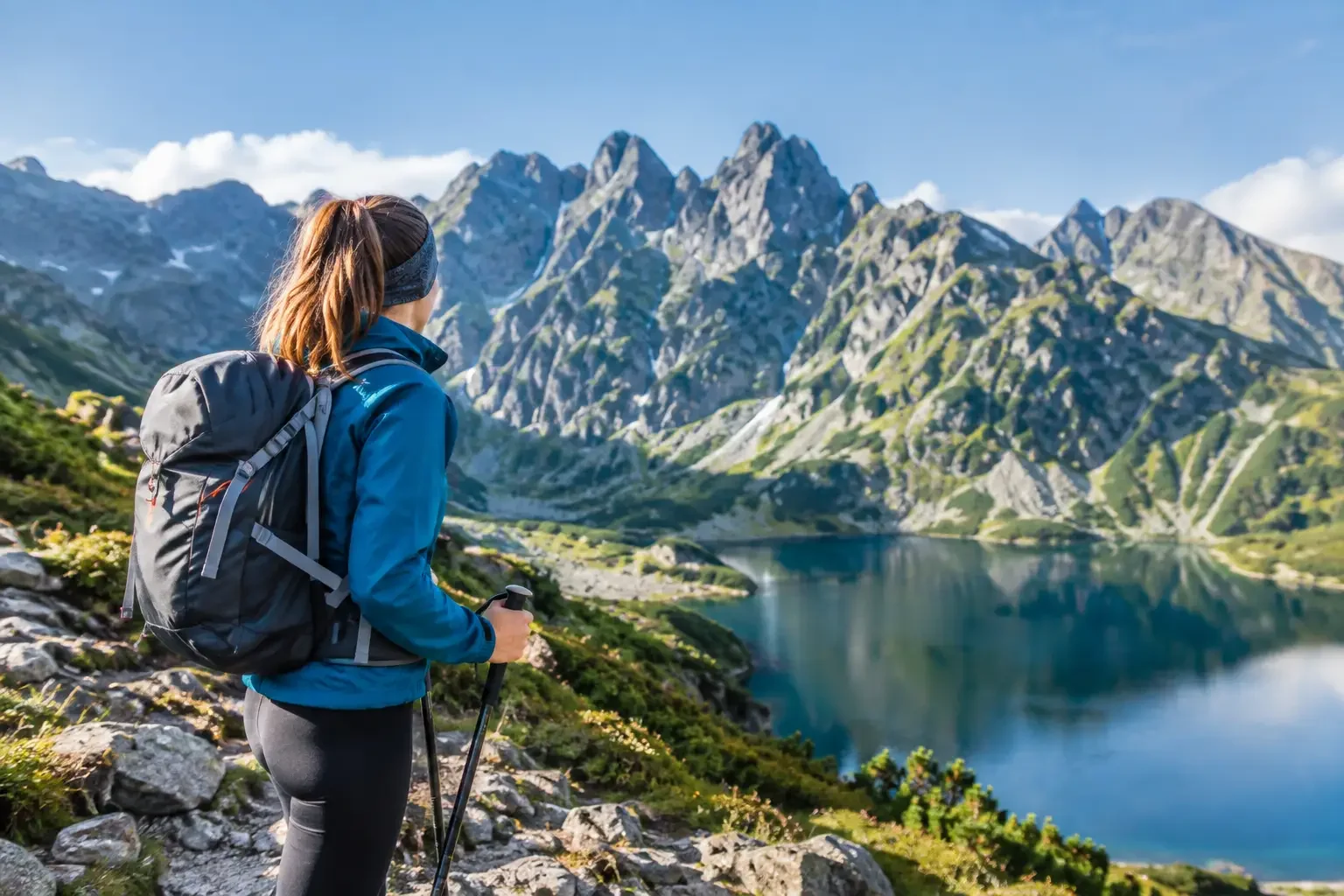
In practice, many classic goals on the Polish side stay open in early spring too. Valleys such as Kościeliska and Chochołowska, the road to Morskie Oko, or the popular approaches to Hala Gąsienicowa do not vanish from the map on 1 March. That does not make them a summer stroll. In April you can walk the asphalt in sunshine and, a hundred metres higher in the shade, hit ice on which ordinary trainers behave like skates with no brakes.
Officially open does not mean sensible
That distinction saves a lot of unnecessary rescues. A trail can be formally open, but after fresh snow, a strong wind or an overnight frost, walking it takes winter experience, the right gear, and the skill to use it.
The chains on Orla Perć or Giewont do not turn into a stair rail in winter. They are iced, buried, or hard to find under the snow. Touring microspikes can be excellent on hard snow in a valley, but they are not a magic ticket onto an exposed ridge. If you cannot judge avalanche danger, arrest a fall with an ice axe, and turn back without a drama, leave the high goals for summer conditions.
Seasonal trail closures in the Slovak Tatras
On the Slovak side the rule is clearer and much broader. In TANAP, most high-mountain trails are seasonally closed from 1 November to 15 June. That mainly means routes above the huts, onto passes, summits, ridges and into high valleys.
So a November plan to climb Rysy from Popradské pleso, a May loop over the Roháče, or a spring trip to Jahňací štít can fail at the rules stage, even if the crocuses are out in Zakopane. The Slovak limit protects nature, and it also makes practical sense: high in the Tatras it is still winter then, and snow in the gullies can linger for a very long time.
There are exceptions. Some huts can be reached on routes open all year, and the winter line of a trail can differ from the summer one. Do not assume that because a bed is available, every trail leaving the hut is open too. That is the classic trap when planning the Slovak side.
It is also worth remembering that Slovak rules are not only about the big summits. A seemingly innocent link between valleys can be closed, the one that in summer lets you make a neat loop. Without it you walk back the same way, or you change the goal entirely.
What else can close a trail outside the fixed dates?
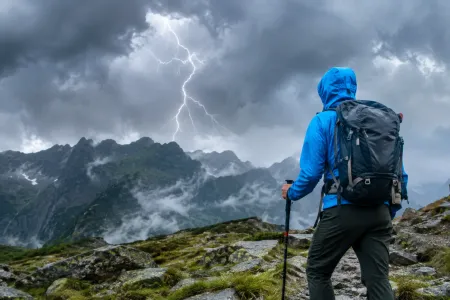
Calendar closures are predictable. More trouble comes from limits brought in overnight. The park can close a route after fallen trees, a damaged footbridge, avalanche danger, a landslide, heavy rain or a strong wind. Sometimes the limit covers only a short section, but that is enough to cut the logical way through a valley.
Do not mix up a closed trail with a closed road, car park or cable car. In extreme conditions the problem can be simply getting to Palenica, Kuźnice or a Slovak car park. If the plan depends on starting at a set hour, check the route in the morning, and also the road notices and the forecast for the height you are actually heading to.
There are also temporary limits for nature protection or maintenance. Do not try to walk around the barriers. In the Tatras, leaving the trail is not a clever shortcut. It is a risk of a fine, damaged vegetation, and ground you may not get back from without help.
How to check whether the route will be open
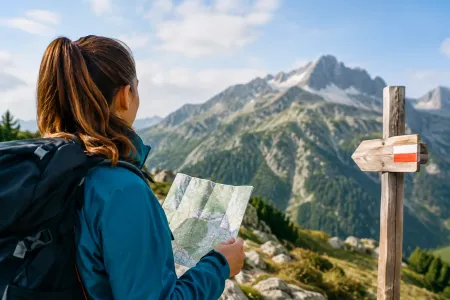
The best routine takes a few minutes, and it is worth repeating even if you know the Tatras by heart. First check the current notices from the right park: TPN for Poland and TANAP for Slovakia. Then open a map of the route and see whether any section is marked closed. Finally, set that against the forecast, ideally for the height where you will spend most of the day.
A sun icon for Zakopane is not enough. The temperature gap between town and a pass can be several degrees, and the wind on a ridge can add a few more to how it feels. Rain in the valley can mean snow higher up, and a clear night often ends in ice by morning.
If you are putting together a longer route, check every part of it, not only the destination. A summit can be open while a closed link makes the planned loop impossible. Do not improvise at the junction. Have a plan B: another valley, a shorter route, or a day at the thermal baths and a coffee, instead of pretending that a downpour on the ridge is an adventure.
A plan for the May weekend and an autumn trip
In May on the Polish side, pick goals that match the real conditions, not the date in the calendar. Valleys, lower meadows and routes with an easy retreat are usually a more sensible choice than an ambitious ridge. Take a waterproof layer, warm clothes, a charged phone and something to improve grip on snow if the notices warn of ice.
From November to mid-June, if you want to walk in Slovakia, plan around the year-round routes. Do not build the day on the hope that a ranger will not notice, or that a track in the snow means a legal crossing. A track only means someone went that way. Not necessarily wisely, and not necessarily within the rules.
The Tatras are good enough without forcing a closed route. Sometimes the best decision is to shorten the day, walk a valley at an easy pace, and leave the ambitious summit for a date when it is open and actually safe. The mountains do not take offence if you turn back.

 2026-10-03
 2026-09-28
 2026-09-27
 2026-10-01
 2026-09-30
 2026-09-26
 2026-09-25
 2026-09-24
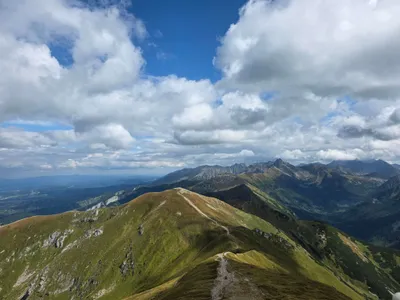 Distance: 18.5 kmDuration: 8 h 09 min
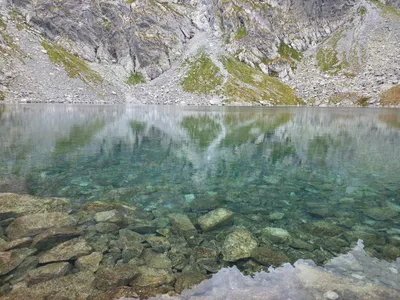 Distance: 24.7 kmDuration: 7 h 38 min
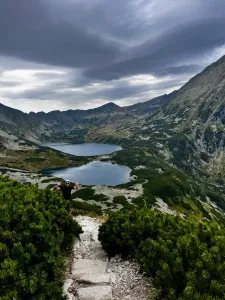 Distance: 16.5 kmDuration: 5 h 45 min
 Distance: 6 kmDuration: 3 h 15 min
 Distance: 18.1 kmDuration: 6 h 50 min