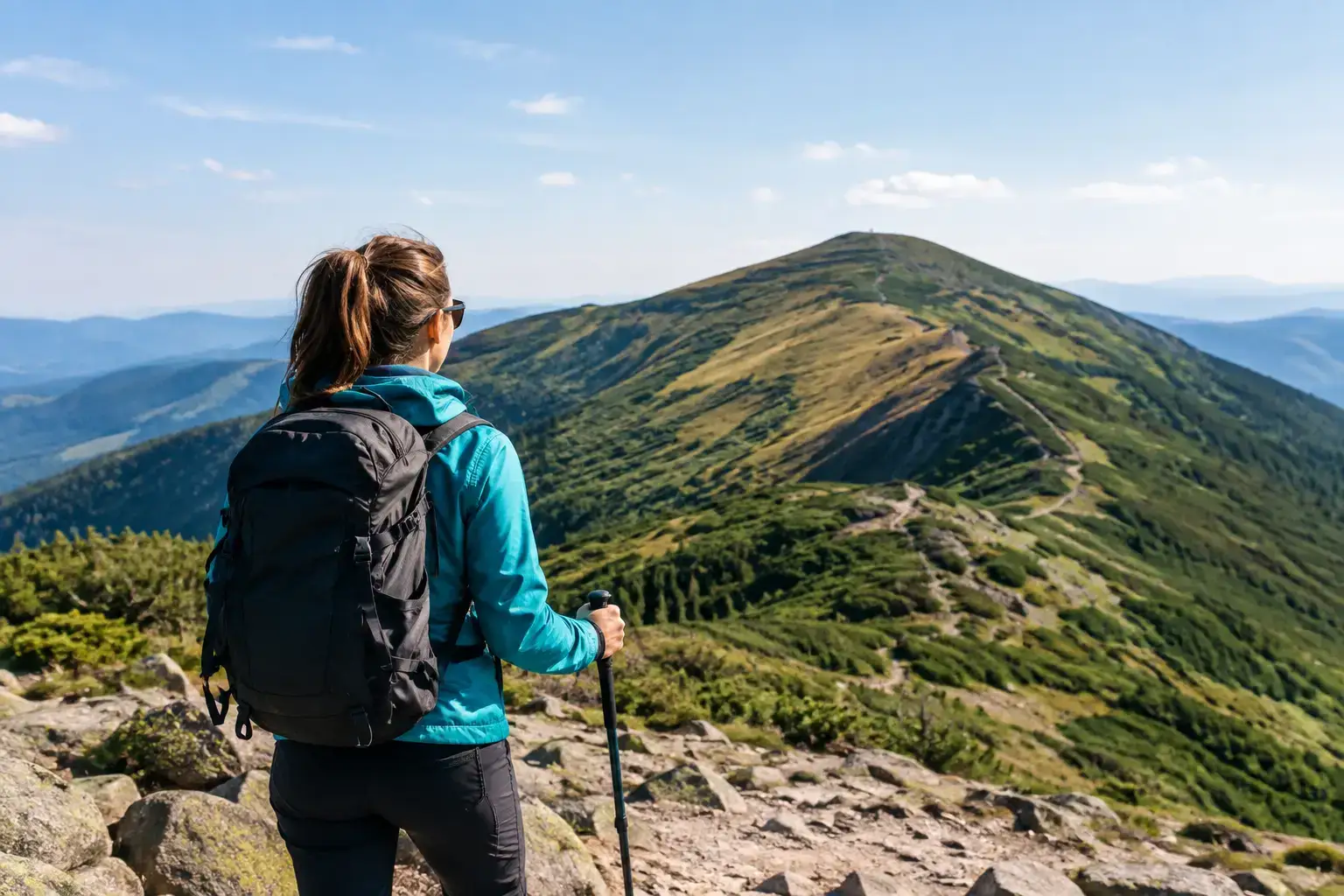
planning
Is Wołowiec hard? A look at the route to the summit
Is Wołowiec hard? See how much effort the climb takes, where the route wears you out, when to turn back, and how to plan the day with some sense.
Wielka Świstówka on the route through Kobylarzowy Żleb: the difficulty, the chains, the weather and sensible preparation before heading for Czerwone Wierchy.
Author: Konrad Leśniak7 min read
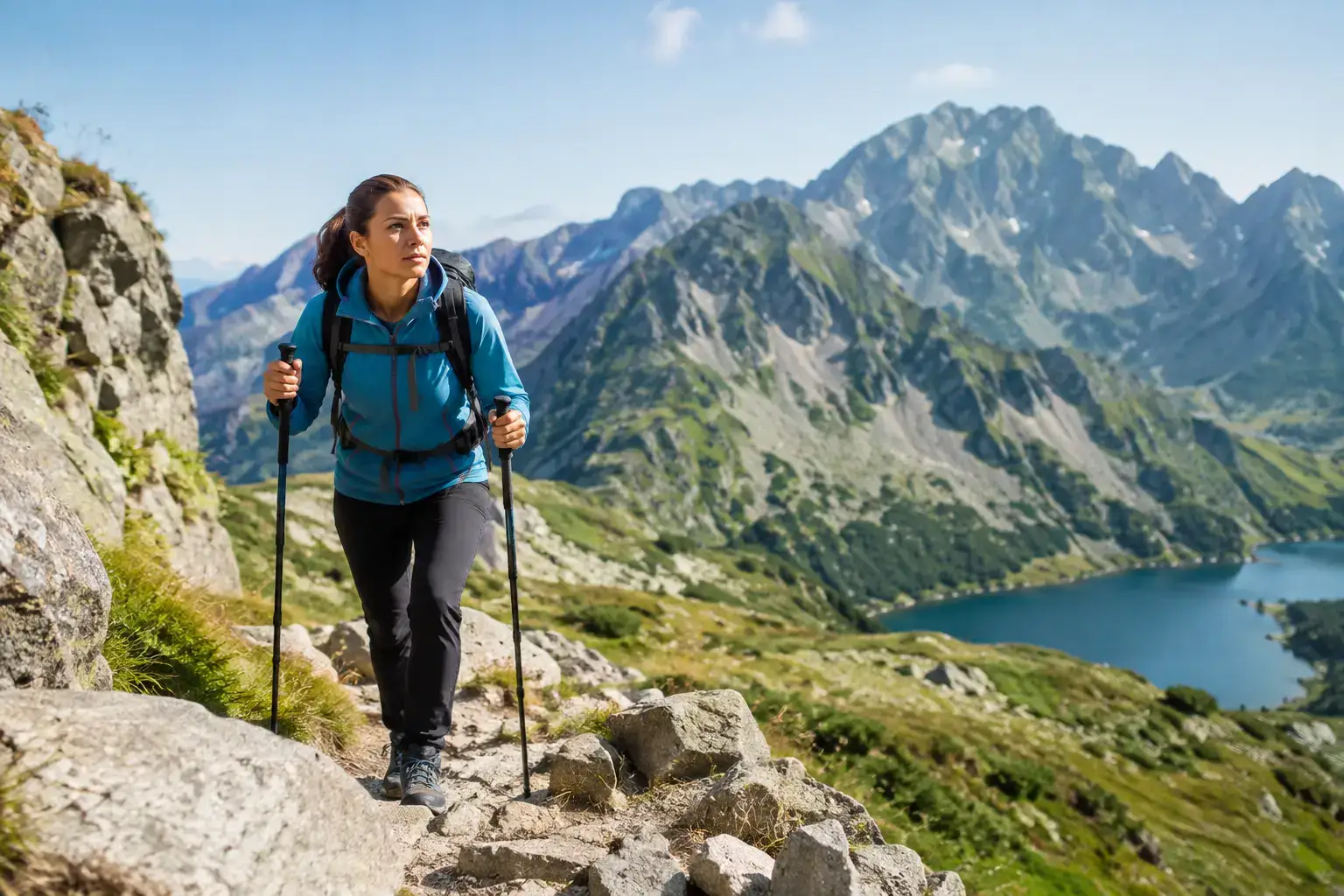
Wielka Świstówka can mislead you with the name alone. It sounds like a quiet meadow, or a place for a long stop with a sandwich, and for many walkers it means a demanding stretch of the climb through Kobylarzowy Żleb towards Małołącka Przełęcz. This is not technical climbing, and it is definitely not a stroll for which you should bring random shoes, someone with a strong fear of heights, and an ambitious plan of “we’ll still make the sunset”.
Wielka Świstówka lies high above Dolina Małej Łąki, among the walls and grassy slopes of Czerwone Wierchy. You reach it on the trail through Kobylarzowy Żleb, and from there you can go up to Małołącka Przełęcz and continue along the ridge. The views are excellent, but the price is concrete: a steep climb, exposure in the gully, chains, and a long day on the ground.
Dolina Małej Łąki opens gently. The first walk through the forest and the meadow does not suggest that later your legs will get a proper bill to pay. That is where the classic mistake is made: someone looks at the map, sees a relatively short distance, and assumes the climb to the pass will be quick.
It will not. In the Tatras the number of kilometres does not say everything, and Kobylarzowy Żleb is a good example. The route gains height fast, the ground becomes clearly more mountainous, and the group’s pace usually drops. Someone who walks trails well will get through this section efficiently. Someone meeting chains and rock that looks vertical for the first time may need a lot more time, and a lot more nerve.
Wielka Świstówka itself gives a moment to breathe after the sharpest part of the gully. It is more open, more spacious, and very striking. Do not treat it as the finish if the goal is Małołącka Przełęcz or a further route across Czerwone Wierchy. The climb is still there, and the weather at this height can change the plan without asking permission.
The chains in Kobylarzowy Żleb are not decoration, and they are not a compulsory photo stop. They are there where the rock is steep, and a confident passage without extra support would be uncomfortable for many people. On a dry day with good visibility, a fit walker who is used to mountain trails can handle the difficulty. After rain the situation changes clearly.
Wet rock, mud carried onto the soles, and a queue of people in both directions turn this place into a small test of patience. It is not worth forcing your way past, hurrying slower people, or climbing onto someone’s back. One slip is enough to turn a striking trip into a problem for the whole group.
This variant will not be a good first outing in the high mountains for someone who does not know how they react to exposure. Children need an honest judgement too. It is not only about age, but about height, strength, concentration and experience. A child who moves confidently on rock and follows instructions can cope better than an adult in fashionable, slippery shoes. But if you have to pull them, carry them, or talk them through every harder step, this is not the right route for a family debut.
The biggest problem is usually not a single chain, but the pile-up: a steep climb, the height, tiredness, tight places to pass, and time pressure. Add wind or a low cloud, and the sense of difficulty grows several times faster than the gradient of the trail.
In a crowd, keep a simple rule: on a hard section you pass calmly, without a phone in your hand, and without stopping where you block other people. You can take the photo higher up. Seriously. Wielka Świstówka is not going anywhere, and a fall cannot be undone with a filter in an app.
Czerwone Wierchy are broad and open. If a storm is coming in, there is no convenient mountain hut around the corner, and no forest where you can wait out the worst. From Wielka Świstówka to safer, lower ground there is still a long way, often on steep ground.
So do not check the forecast only in the morning over coffee in Zakopane. What matters most is when storms build, the strength of the wind on the ridge, the feels-like temperature, and the cloud cover. A warm morning in town is not an argument for a light fleece above 1,800 metres. The wind here can turn a summer day into conditions where your hands go numb while you hold a chain.
If the rock is wet, the visibility drops, and it starts dripping steadily from the sky, leaving it is not a failure. It is sense. Going high in heavy rain only because “we’re already close” is mountain stupidity, not grit.
The transitional periods are often the most deceptive. Lower down it can be autumn damp, and higher up a thin layer of snow, or ice hidden in shaded spots. Chains that are a help in summer do not solve the problem when they are iced. Without the right experience, kit and a judgement of the conditions, that variant should simply be crossed off the plan.
Before you leave, check the current park notices and the conditions reported from the Czerwone Wierchy area. Do not assume that no snow outside the guesthouse means no winter on the route. The Tatras like that joke, and walkers still fall for it.
The most sensible approach is to treat the outing through Wielka Świstówka as the main goal of the day, not as a quick extra on top of five other attractions. Start early, especially at the weekend and in the holidays. You get a cooler climb, less traffic in the gully, and spare time for calm decisions.
Take proper hiking boots with a good, grippy sole. Low shoes can work for experienced people in dry conditions, but they are not a magic proof of experience. What matters is placing your feet with confidence, and a sole that does not slip on wet rock. Gloves for the chains, a windproof layer, a warm fleece, spare water and food you can eat without setting up a picnic in the middle of the trail will help too.
Trekking poles help on the climb and the descent, but before the chains they have to be put away. Your hands need to be free. The pack should fit well too. Luggage that swings gets in the way when you have to turn sideways or stand steadily on the rock.
If you are planning a loop over Czerwone Wierchy, count your strength for the whole thing, not only for the way up. Long descents can tire you more than the climb, especially when your thighs are already cooked and your knees have had enough. There and back through the gully is a different difficulty from continuing along the ridge, so agree the decision to turn back before you leave, not when the group is already split.
It is, if you want a Tatra route with character, steep sections do not frighten you, and the conditions are stable. The reward is the feeling of entering real high-mountain ground, a fine view over Dolina Małej Łąki, and a natural way on towards Czerwone Wierchy.
It is not worth doing this route against yourself. If someone in the group handles exposure badly, the weather is breaking, or the morning started too late, Dolina Małej Łąki still offers a beautiful day without forcing the ambitious variant. The Tatras do not award points for stubbornness. The best outing is the one after which you come back tired, delighted, and on your own legs, keen to plan the next one, not relieved that it is over.
Newsletter
A few times a year: trail conditions, closures, the best time to go and new routes. No weekly spam.
Is Wołowiec hard? See how much effort the climb takes, where the route wears you out, when to turn back, and how to plan the day with some sense.
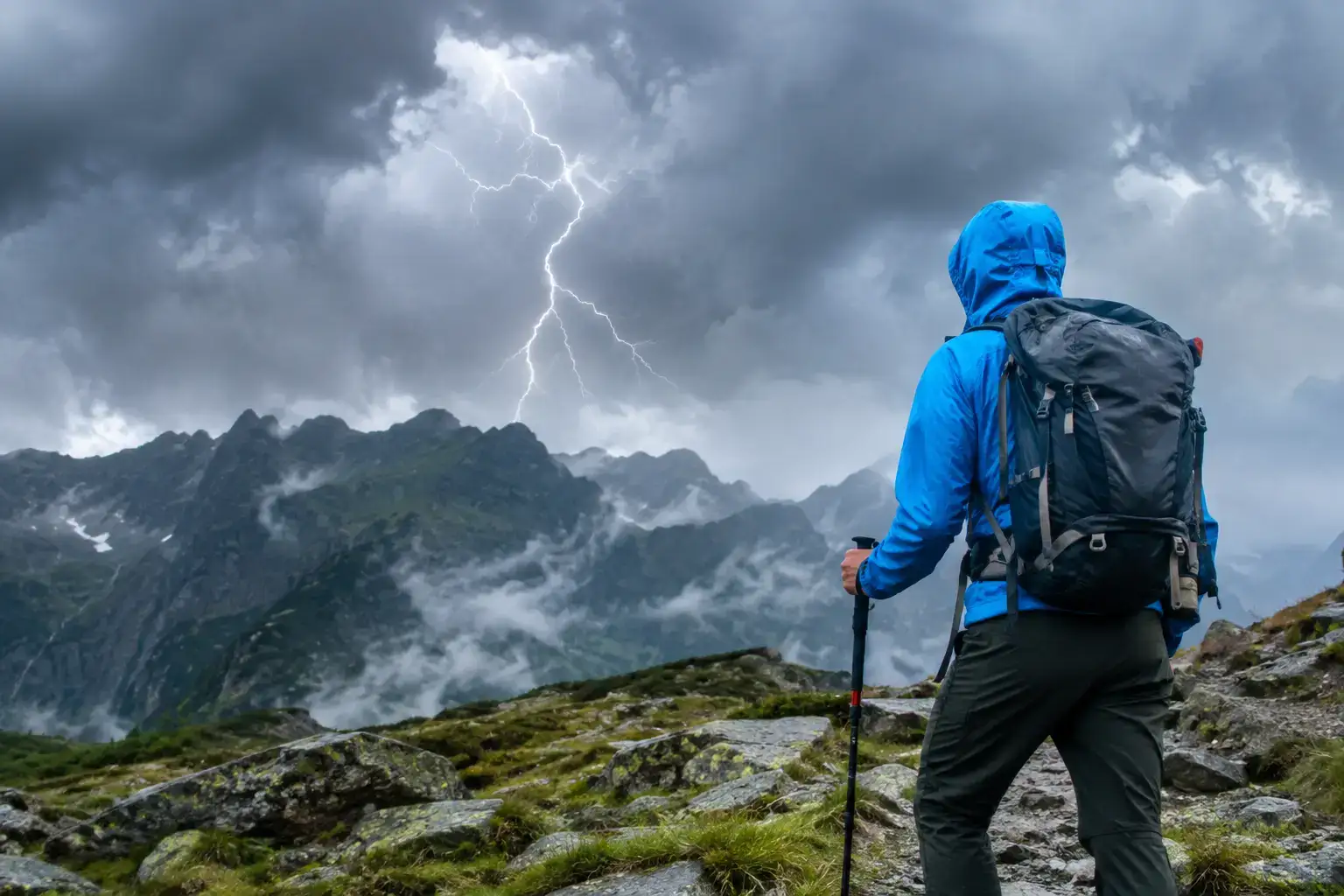
A storm in the Tatras - what to do on the trail? Check when to turn back, where to seek shelter and how to reduce the risk of a lightning strike in the mountains without panic.
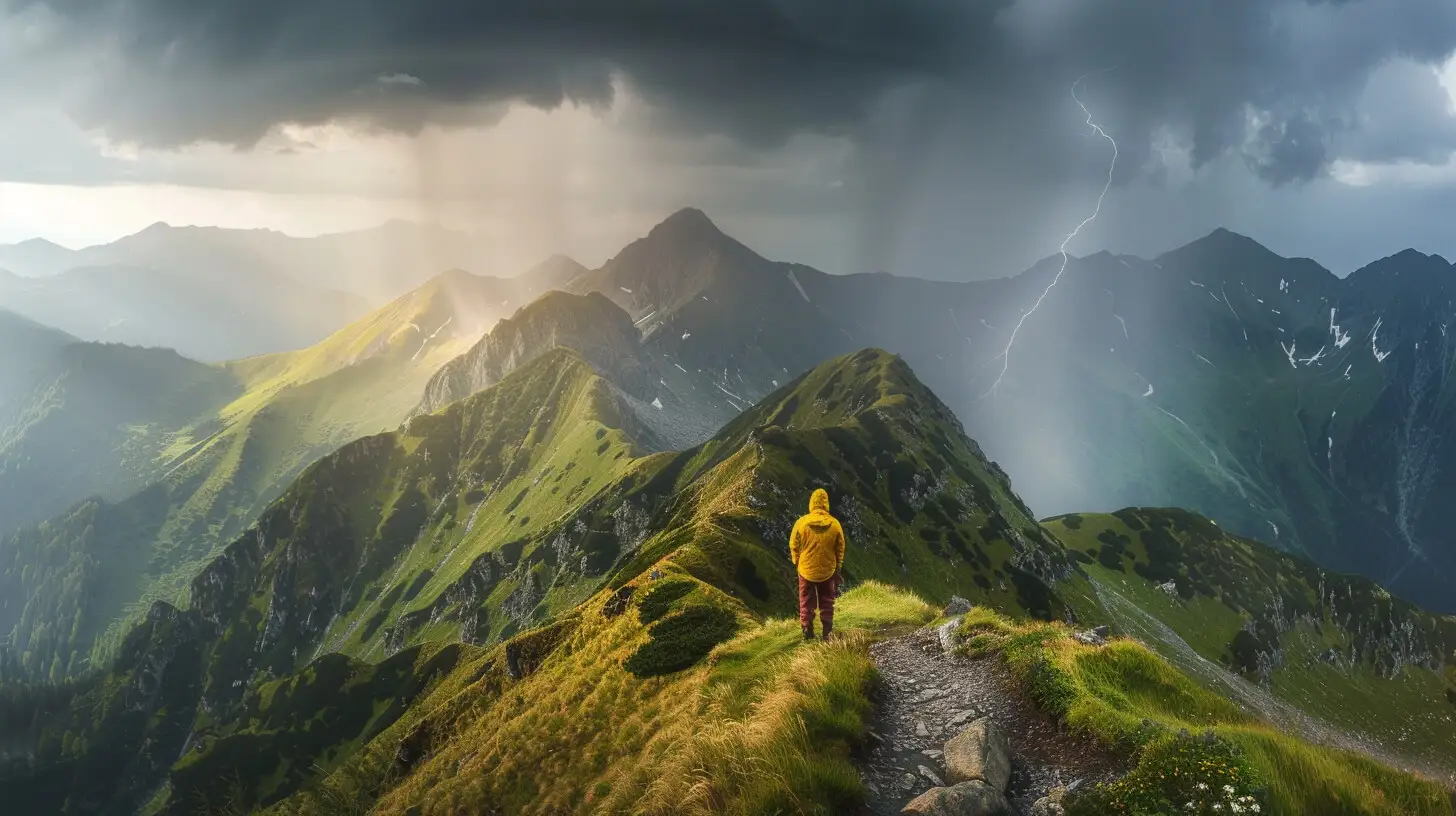
You check an app: sunshine and 25°C. You reach the top and suddenly you are running from lightning. Learn how to read weather forecasts in the Tatras and why the “before noon” rule can save your life.
These are affiliate links. If you book a stay or a ticket through them, we earn a small commission, for coffee :), at no extra cost to you.