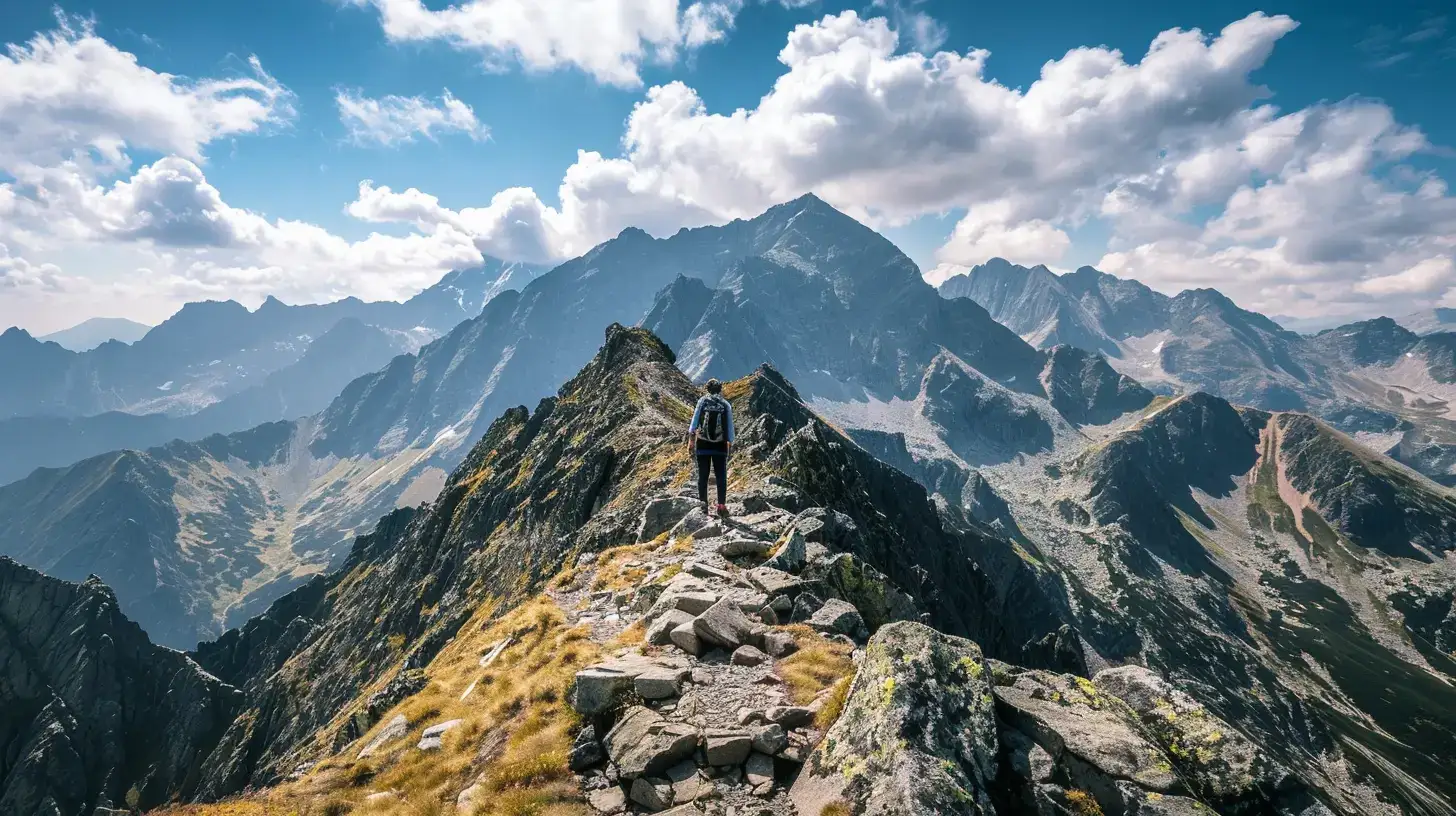
inspiration
From the Valley to Rysy. The Tatra Development Path – how to plan for progress?
Many people make this mistake: they visit the Tatra Mountains for the first time and immediately set out to tackle Orla Perć or Rysy. The result?
Kasprowy Wierch is not just about the cable car and skiing. This mountain has its own history, its own secrets and its own records. Here are a few facts you can impress your friends with whilst queuing for the cable car.
Author: Konrad Leśniak2 min read
Kasprowy Wierch is not just about the cable car and skiing. This mountain has its own history, its own secrets and its own records. Here are a few facts you can impress your friends with whilst queuing for the cable car.
💡 In a nutshell – Kasprowy Wierch:
- Express construction: The cable car was built in 1936 in just 227 days!
- The highest building: The observatory at the summit (1987 m a.s.l.) is the highest permanently inhabited building in Poland.
- Optical illusion: From Zakopane, Giewont appears taller, but Kasprowy is actually almost 100 metres higher.
- Natural snow: It is the only place in Poland where the ski slopes (in the cirques) rely 100% on natural snow.
Imagine that today, building such a cable car would probably take about 10 years (permits, environmentalists, tenders). Before the war? They did it in 227 days. People worked in three shifts, materials were carried up on their backs (and later by the first, working cable car). It was a sensation on a global scale. The cable car began operating in 1936 and changed Zakopane forever.
The building of the IMGW Meteorological Observatory on the summit of Kasprowy is the highest permanently inhabited building in the country (1,987 m above sea level). Meteorologists work there, monitoring the weather 24/7. Sometimes, when winter cuts off the road, they have to stay there longer than planned. The winds blowing here sometimes exceed 280 km/h!
Yes. If you walk a short distance towards Sucha Przełęcz, you will see a bell. It is a memento of Pope John Paul II’s planned visit. The bell was to ring as the Pope flew past in a helicopter or rode up on the cable car. Ultimately, the visit to the summit did not take place (the Pope only visited Morskie Oko and the Jarząbcza Valley), but the bell remained.
For skiers, Kasprowy is the only place in Poland with an alpine character. The runs in the Gąsienicowy and Goryczkowy cirques are not artificially snowed (apart from the lower sections). You ski here exclusively on natural snow. This means that conditions can be tough (“concrete”, moguls, ice), but the atmosphere is unbeatable. The season often lasts here until May (skiing over the May bank holiday? That’s the norm here).
Many people confuse these mountains when looking from Zakopane. Kasprowy is the one ‘tucked away’ further back, with a visible building on the summit. Giewont is the one with the cross, closer to the town. Interestingly, Kasprowy is almost 100 metres higher (1,987 m) than Giewont (1,894 m), although from below it appears the other way round due to perspective.
Want to see it for yourself? Check out the trail description for Kasprowy Wierch and head up!
Newsletter
A few times a year: trail conditions, closures, the best time to go and new routes. No weekly spam.
Many people make this mistake: they visit the Tatra Mountains for the first time and immediately set out to tackle Orla Perć or Rysy. The result?
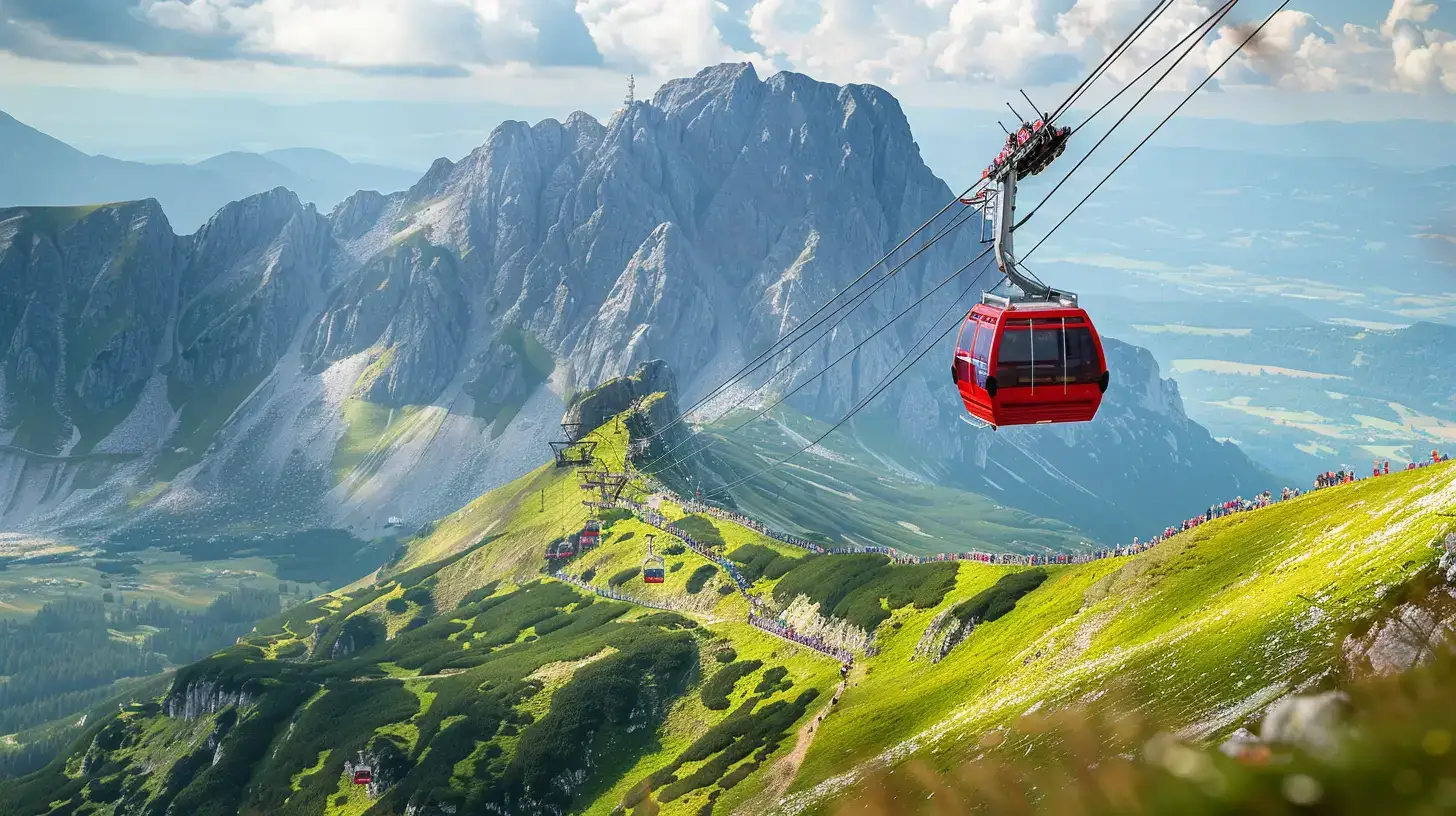
Legend has it that some people are still standing in Kuźnice to this day. Find out how to avoid the crowds, buy a cheaper ticket, and why the touts outside the station are a bad idea.
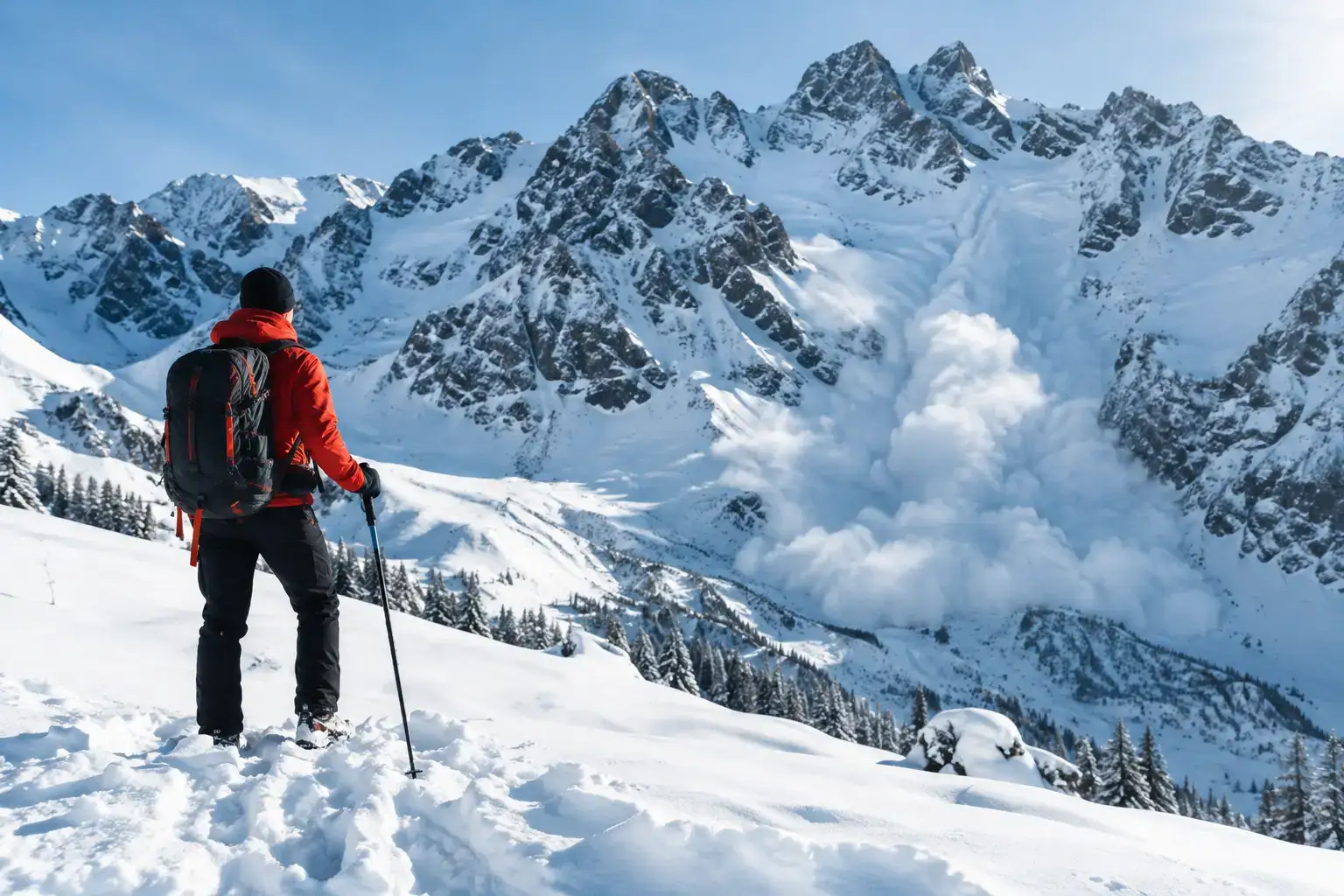
Avalanches in the Tatras do not forgive a rush. Check the bulletin, the weather, the ground and the decisions that help you get back safely from a ski tour or a hike.
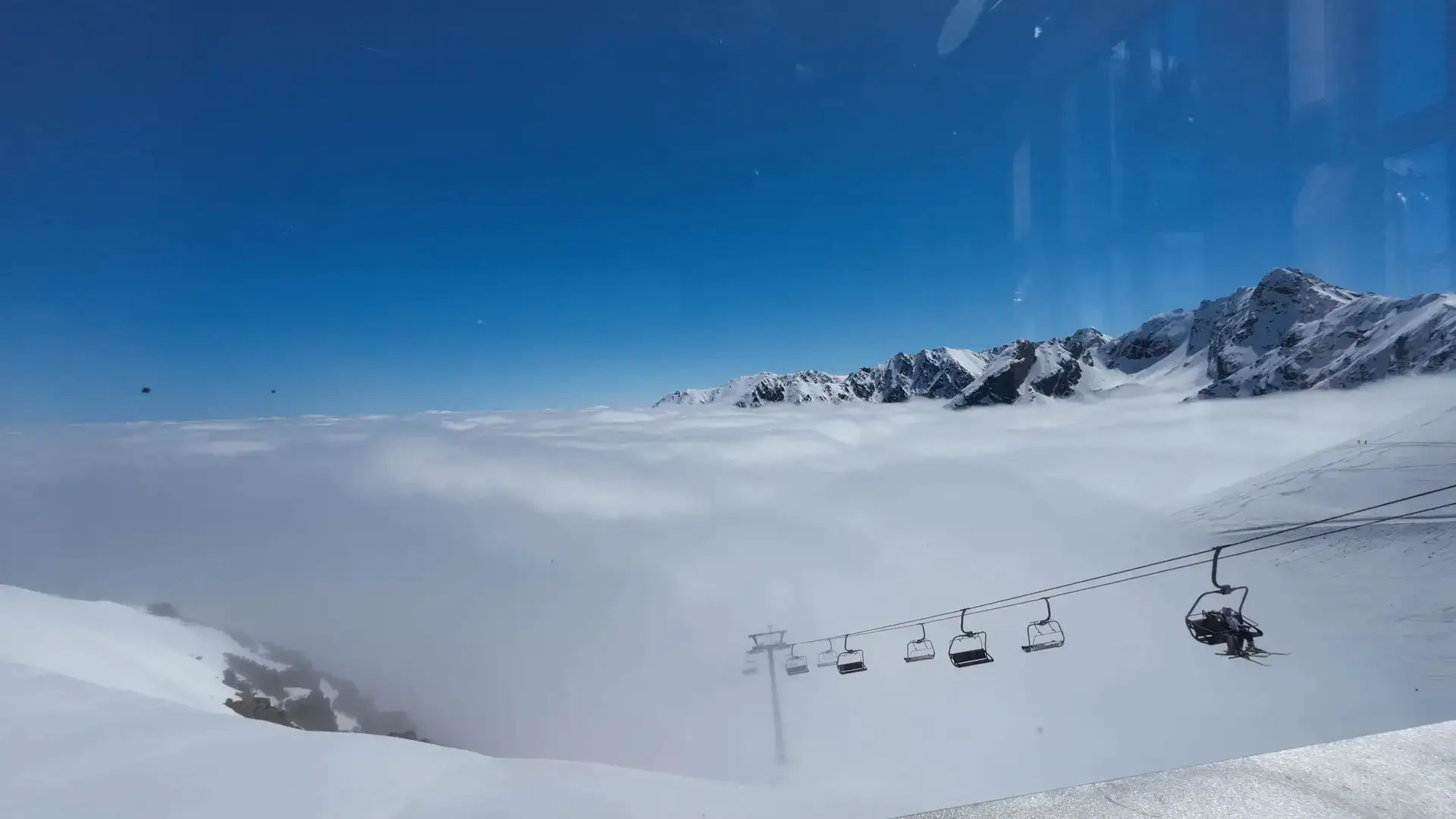
Start: Kuźnice · via High-mountain observatory (IMGW) and The highest restaurant
These are affiliate links. If you book a stay or a ticket through them, we earn a small commission, for coffee :), at no extra cost to you.