winter
Avalanches in the Tatras: the rules that save lives
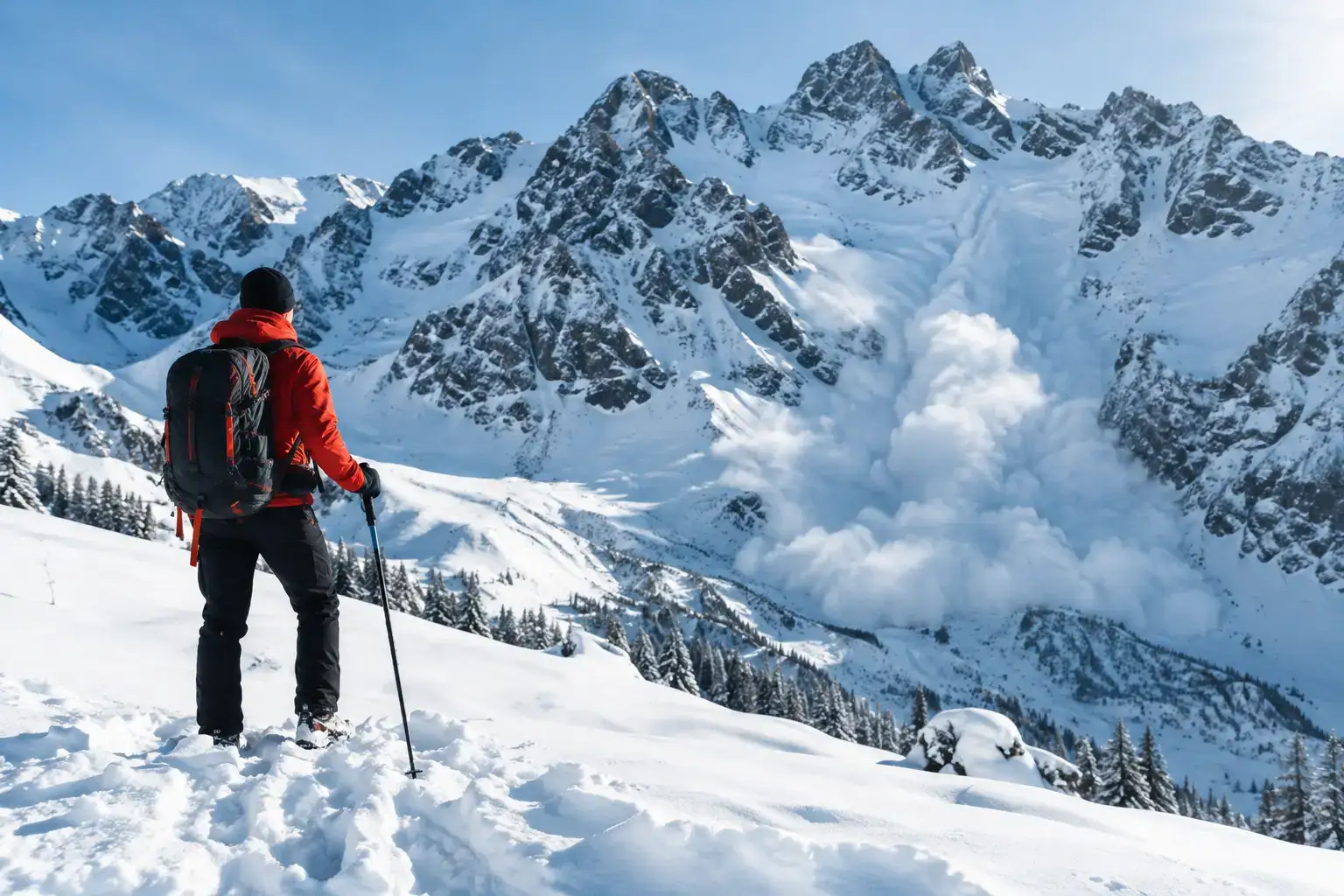
Avalanches in the Tatras do not forgive a rush. Check the bulletin, the weather, the ground and the decisions that help you get back safely from a ski tour or a hike.
You’ve been to Giewont in the summer, so it’ll be a piece of cake in the winter? Think again. See how snow changes the game in the Tatras and when ‘ordinary’ crampons just aren’t enough.
Author: Konrad Leśniak4 min read
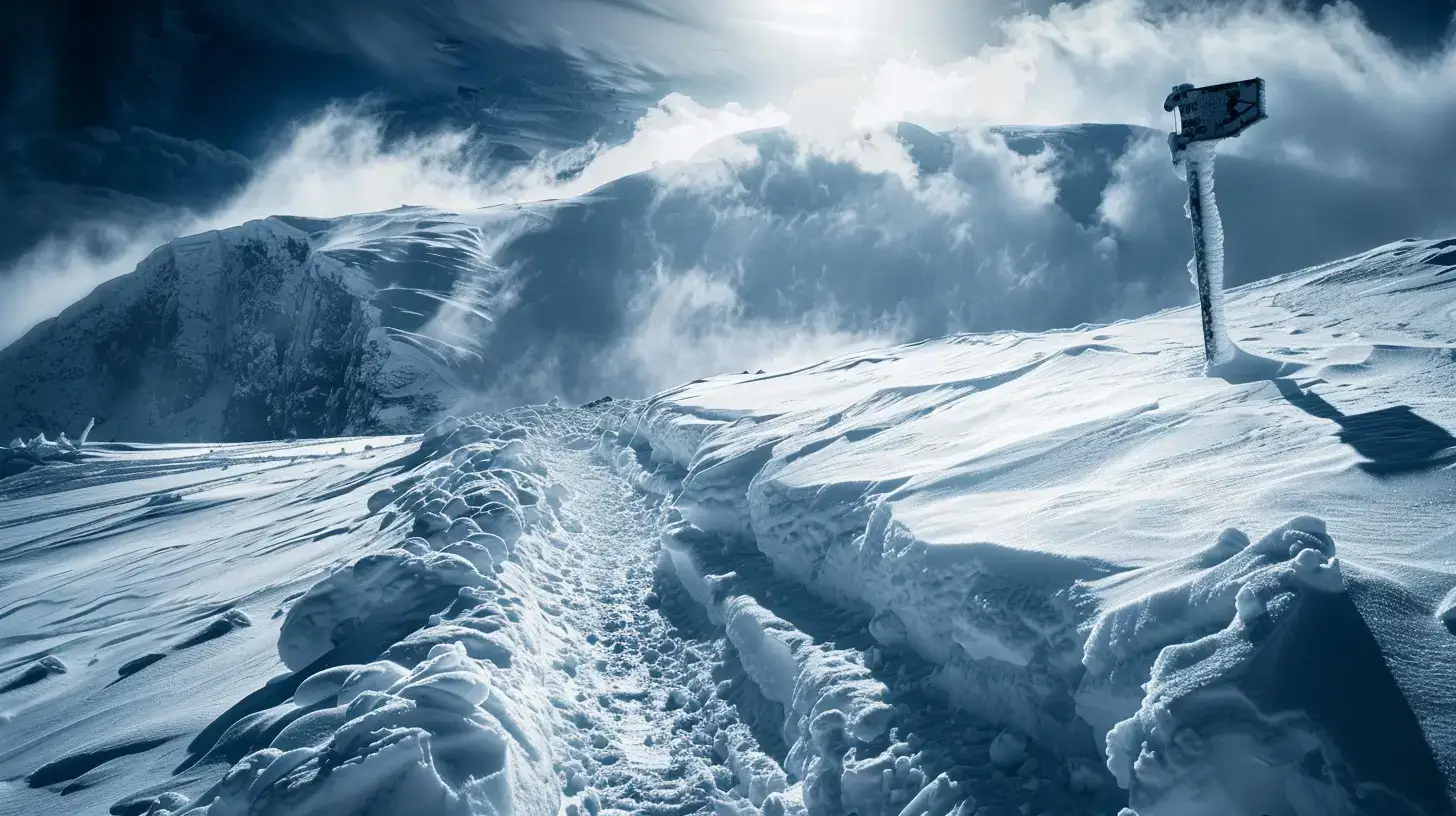
Imagine this: in August, you hiked up Czerwone Wierchy in shorts. It was warm, spacious and safe. You think to yourself, “Great route, I’ll do it again in December!” You get off the bus in Kuźnice, and there… it’s a whole different world.
💡 In a nutshell – The Tatras in winter:
- Different mountains: Trails and markings disappear in winter. If there is no broken trail, wading through snow will exhaust you in 15 minutes.
- Microspikes are not crampons: Microspikes (on rubber) are for flat valleys (e.g. Kościeliska). Higher up (Giewont, Świnica) you need real crampons and an ice axe - and the skill to use them.
- Avalanches: Most accidents happen on slopes of around 30 degrees. What is a gentle hill in summer can be an avalanche path in winter.
- Time: In winter it gets dark as early as 15:30, and the temperature drops drastically. A headlamp in your backpack is an absolute must.
Winter in the Tatras is brutally unforgiving. The mountains don’t just become “a bit more difficult”. They become completely different mountains. That’s why your favourite summer trail suddenly changes status to “for experts only”.
In summer, you have a comfortable, stone-paved path (like the famous Ceprostrada on Szpiglasowy Wierch). In winter? There is no trail. There are two metres of snow, under which the stones, chains and crampons have vanished.
The internet is bursting at the seams with posts asking ‘Where can I get crampons?’.
“It’s just a gentle slope; there aren’t any avalanches here,” thinks the hiker. Wrong. Most avalanche accidents occur on slopes with a gradient of around 30 degrees. To the human eye, this isn’t a “vertical wall”; it’s just a nice little hill.
In summer, you can set off at 10.00 am, spend two hours at the summit and return at 8.00 pm whilst it’s still light. In winter, by 3.30 pm the sun has disappeared behind the mountains, and by 4.00 pm it’s ‘polar night’. The temperature drops from -5°C to -15°C in half an hour. Winter trips must be planned down to the minute, and a head torch (and spare batteries) is your most essential piece of kit.
You don’t have to rush straight up Rysy with an ice axe. Want to get a taste of winter and enjoy some fantastic views?
The Tatra Mountains are the most beautiful in the world in winter, but you must treat them with a hundred times more respect than in summer.
Newsletter
A few times a year: trail conditions, closures, the best time to go and new routes. No weekly spam.
Avalanches in the Tatras do not forgive a rush. Check the bulletin, the weather, the ground and the decisions that help you get back safely from a ski tour or a hike.
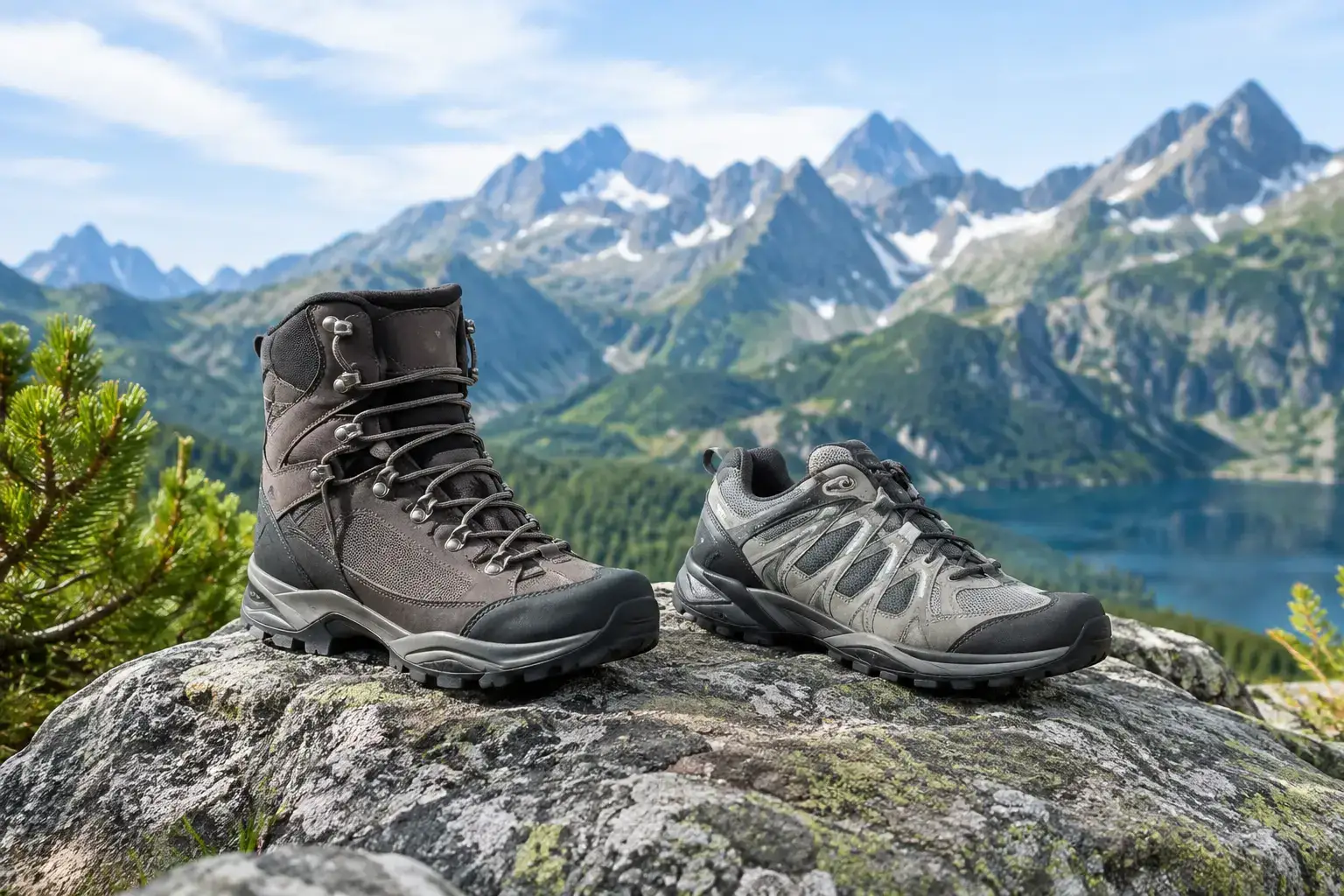
High boots or low shoes for the Tatras? See when the ankle needs support, and when a lighter shoe makes more sense on a Tatra trail.
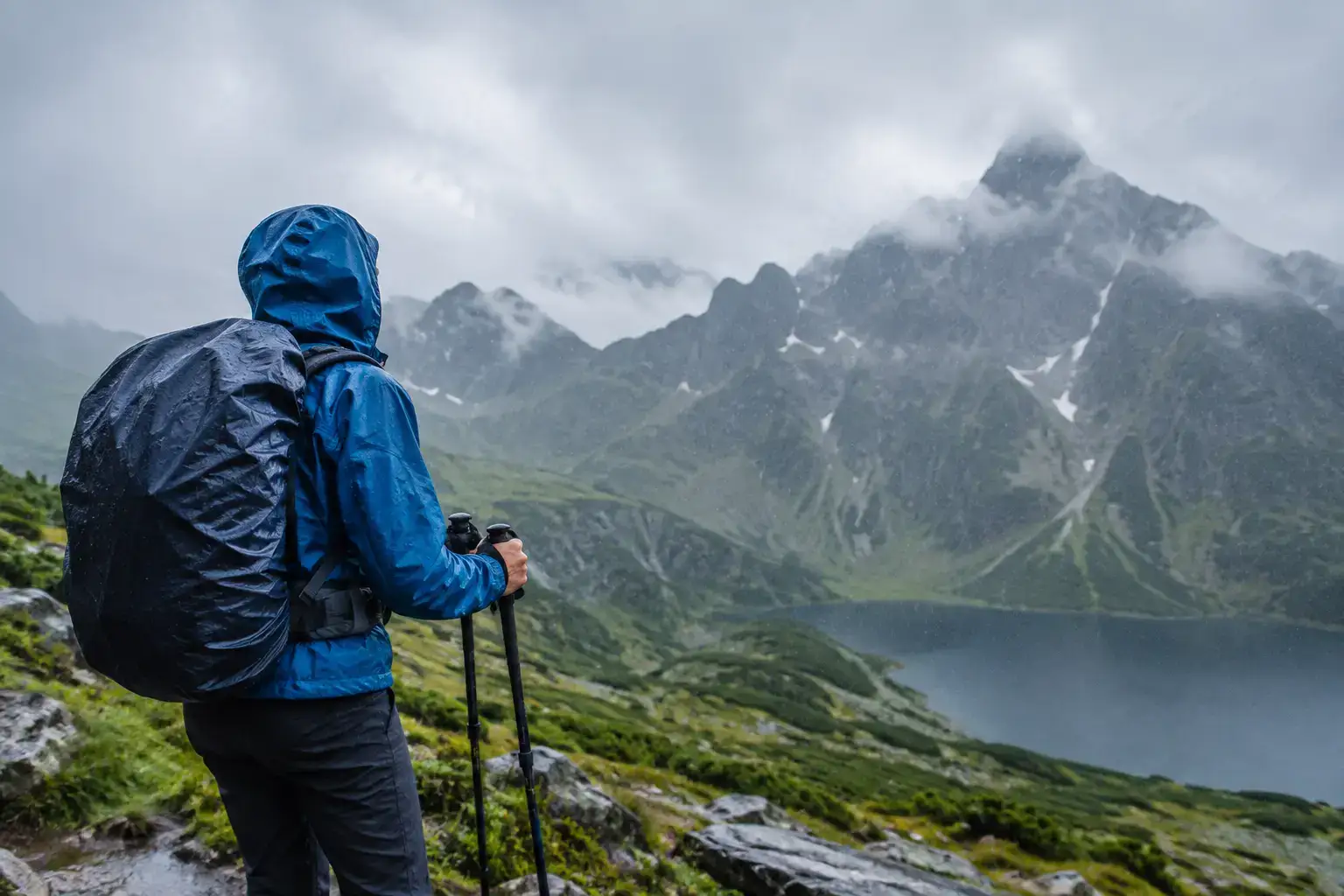
Hiking in the rain in the Tatras: safety, gear and decisions that help you get back without stupid risk, getting chilled, or wet frustration on the trail.
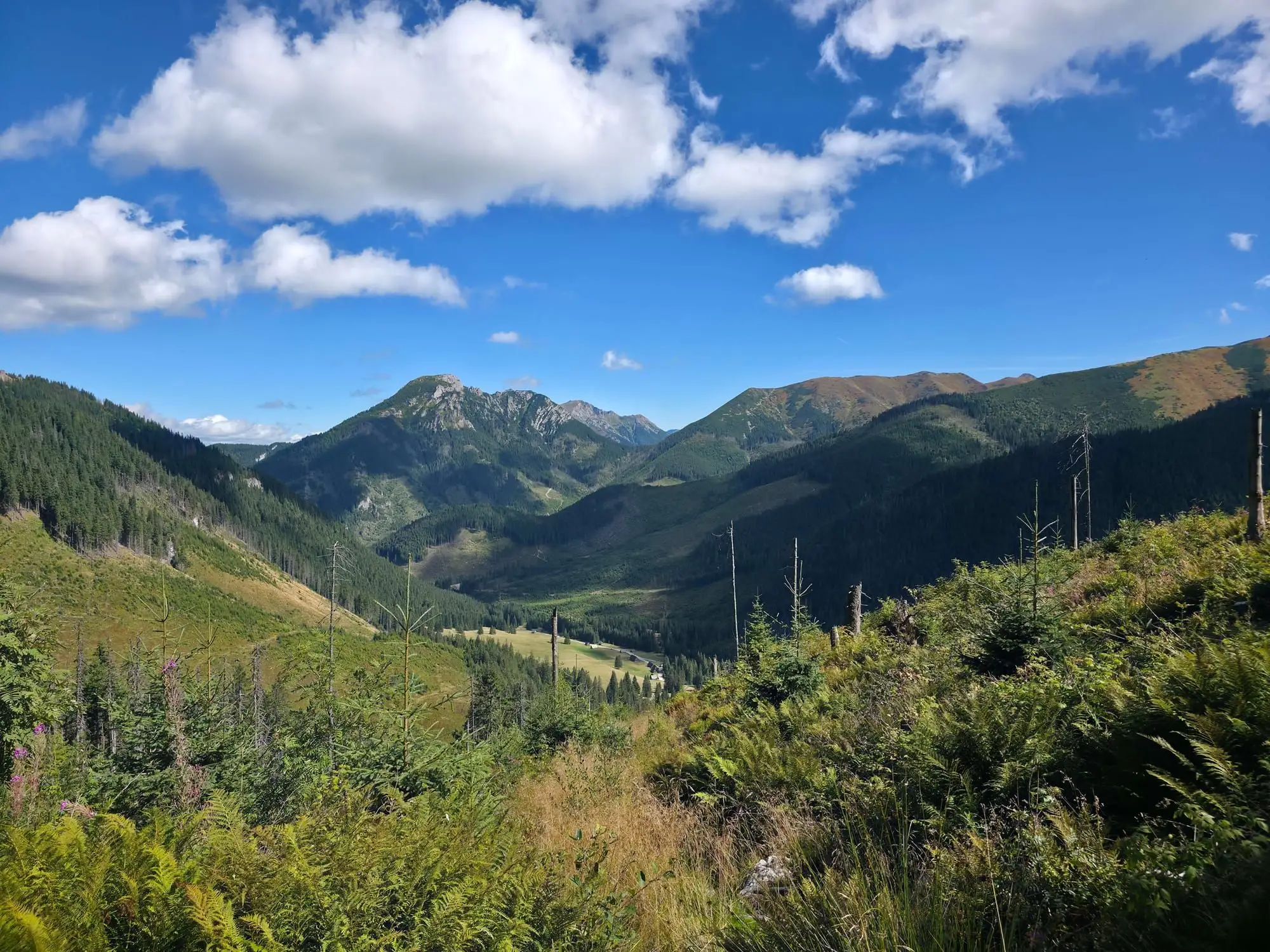
Start: Siwa Polana (Chochołów Valley) · via Panorama of the Slovak Roháče and The mountain hut at Chochołów Glade
Start: Kuźnice · via Murowaniec mountain hut and Czarny Staw Gąsienicowy
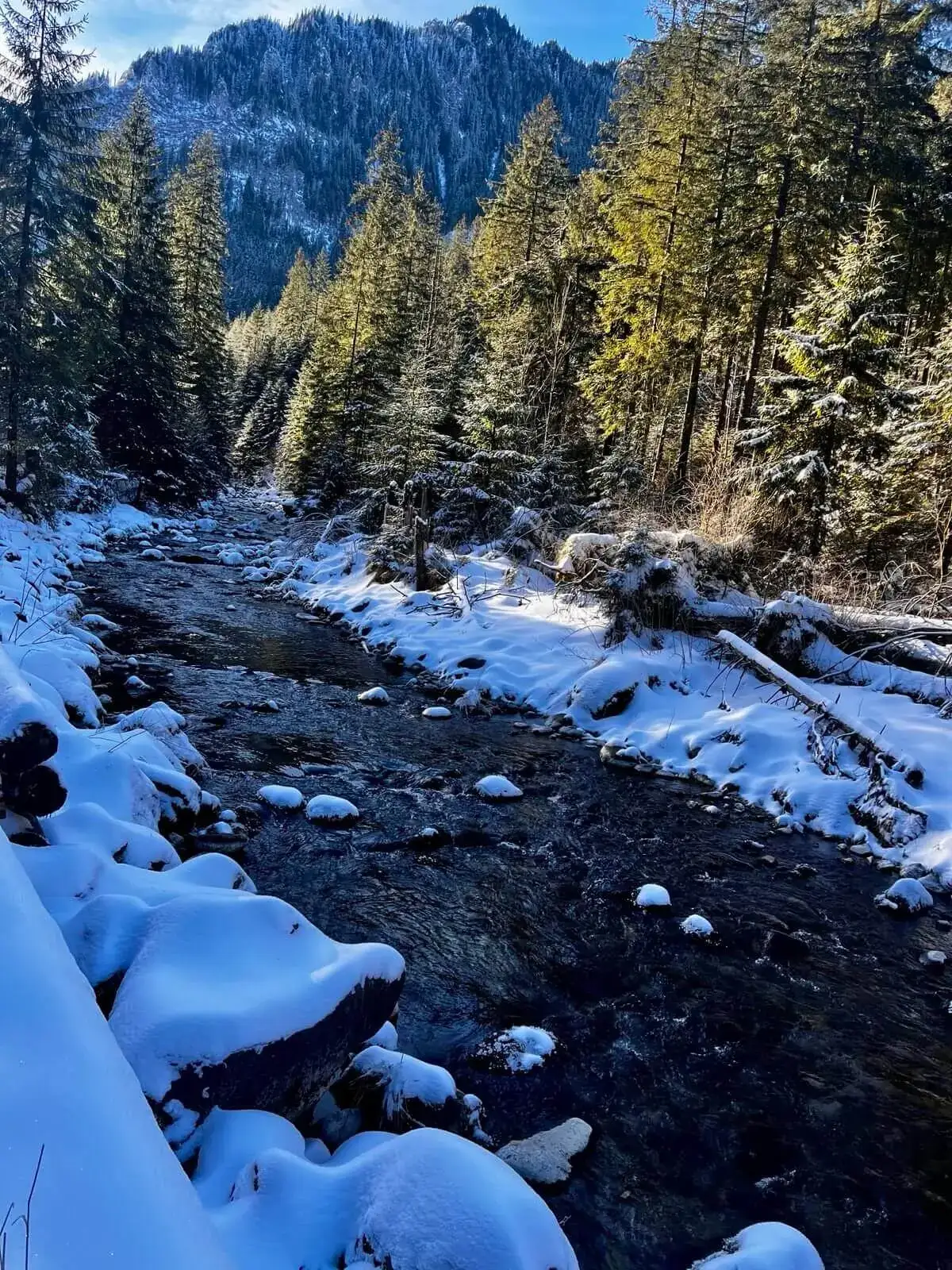
Start: Kiry · via Mroźna and Mylna Caves and Kraków Gorge