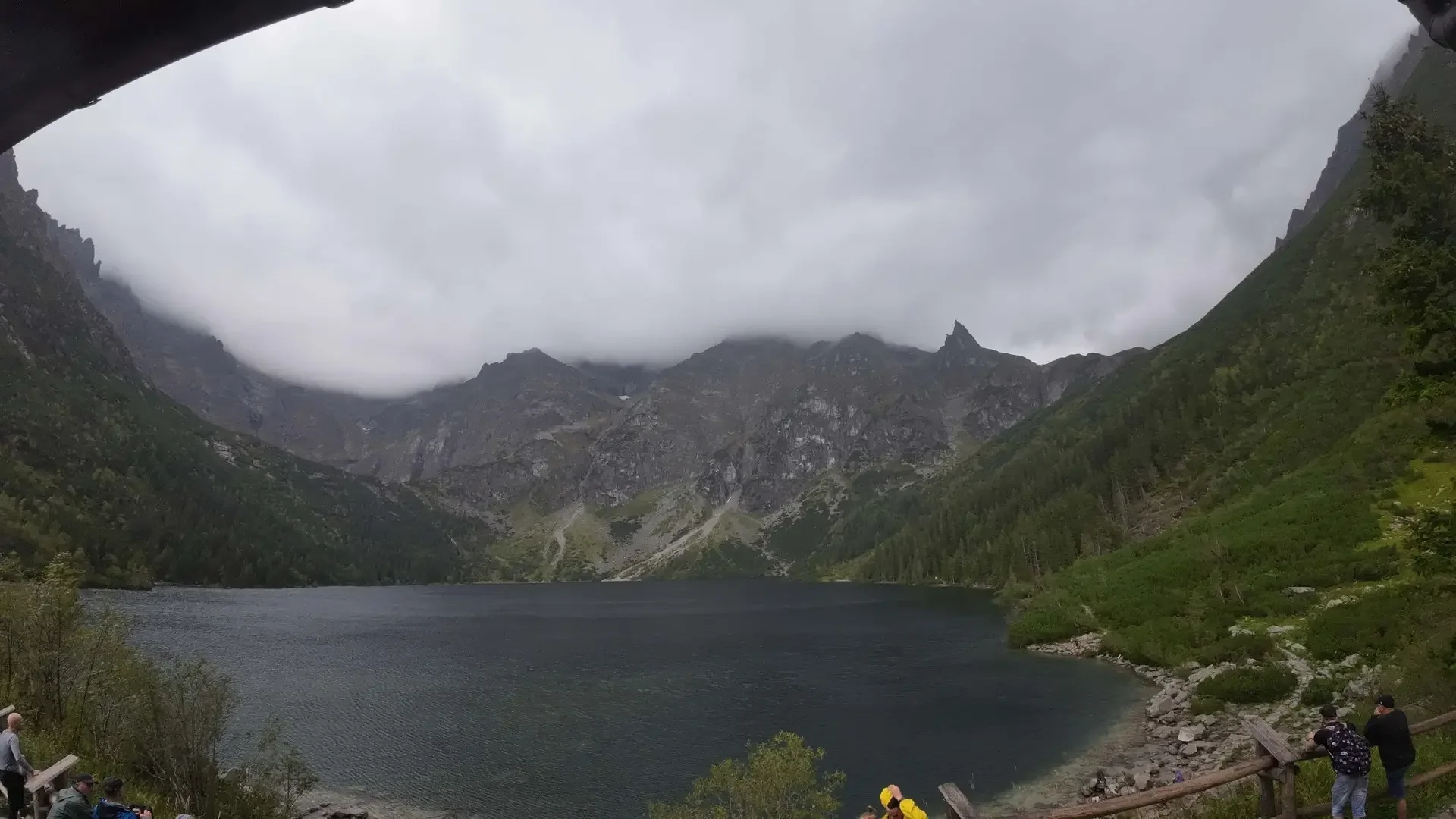
If you are typing Morskie Oko how long on foot into a search engine, you probably want one thing: will this be a light stroll before lunch, or a plan for most of the day. The answer is: it depends on pace, weather, parking and people, but for most visitors it is worth counting 4.5–6 hours for the whole thing. Not the walk alone, but a real outing: the approach, photos, a rest by the lake, the queue at the entrance and the way back.
From Palenica Białczańska to the mountain hut by Morskie Oko it is about 8 km of tarmac road. Trail signs usually give around 2 hours 20 minutes up. A fit person without a heavy backpack can get there faster, but do not treat that as a time to beat. In the summer season the pace is often set not by your form, but by the human snake on the road.
Morskie Oko: how long on foot from Palenica Białczańska?
The most honest range for the ascent is 2–2 hours 45 minutes, and for the descent 1 hour 45 minutes to 2 hours 30 minutes. The surface is even, wide and needs no technical skill, but the road climbs steadily. This is not a vertical wall, just a long, monotonous gain of height that can tire you more than the photos on social media suggest.
For different people it looks roughly like this:
very fit hikers usually walk 1 hour 45 minutes to 2 hours one way;
most adults at a normal pace need about 2 hours 15–30 minutes;
families with children, people taking lots of breaks or walking in winter should allow 2 hours 45 minutes, sometimes more;
in ice, fresh snow or heat the time stops being a reliable measure — then what counts is common sense and spare time in the day.
on top of that, add at least 30–60 minutes at the lake itself. If you want to sit in the hut, eat, walk a stretch of the shore or simply enjoy the view of the Mięguszowieckie peaks, an hour disappears without asking permission.
The short variant from Włosienica
Some people use horse-drawn transport on the Palenica Białczańska–Włosienica stretch. From the last stop to Morskie Oko it is about 1.7 km, usually 25–35 minutes of uphill walking. That can make sense for someone with limited mobility, a small child or anyone who handles long climbs badly. (the route has currently been shortened on a trial basis to Wodogrzmoty Mickiewicza, as of September 2026)
Let us be honest, though: if you are healthy, have ordinary fitness and came to the Tatras to walk, doing the whole road on foot is a much nicer experience. You keep your own pace, can stop at the waterfalls and do not stand in a queue for transport. And in the middle of the holidays the queues can be longer than an ambitious plan for seeing Zakopane.
How much time to plan for the whole trip?
A safe day plan for a first visit to Morskie Oko is a start from Palenica between 7:00 and 8:00, arrival before noon, a calm rest and a return without nervously glancing at your watch. In practice that gives about 5 hours from leaving the car park to getting back, and 6 hours if you are walking with children, taking photos or do not want to turn the outing into a survival march.
It is worth separating time on the trail from the time of the whole operation. You still have to get to Palenica, find the right car park, walk to the trail entrance and buy a Tatra National Park ticket. On popular summer weekends there are also jams on the road to Łysa Polana and a fight for a parking space. Anyone who arrives at 10:30 thinking of a quick stroll may start the day sitting in the car. That is a fairly average mountain adventure.
If you are also planning Czarny Staw pod Rysami, do not add it to the programme thoughtlessly. From Morskie Oko the walk to Czarny Staw usually takes 35–50 minutes, but it is already clearly steeper and rockier. The whole thing from Palenica and back is mostly 6–7.5 hours, depending on breaks and conditions. For someone who barely made it up the tarmac, adding a climb just because “we are already here” is a poor idea.
What slows the walk to Morskie Oko the most?
The biggest surprise for beginners is not the length of the route, but the seemingly small things that collect minutes. Heat steals pace faster than the modest elevation gain. Rain slows you down because the tarmac gets slippery and you instinctively watch your step. In winter there is ice, snow and the need for tourist microspikes — without them an easy trail can turn into a series of uncontrolled slips.
Gear matters too. Sports shoes with a good sole will do this route in dry weather, but slippery city sneakers are asking for trouble. Take water, something to eat, a light rain layer and a warmer sweatshirt. By the lake it is often cooler than at the car park, especially when the sun hides behind the clouds.
Do not pack half the flat, though. Morskie Oko does not require high-mountain expedition kit. A heavy backpack does not make anyone more Tatra-like, only slower and more irritated after the fifth kilometre of tarmac.
Weather can wipe out the best plan
With a stable forecast the route is a good choice even for less experienced hikers. In a storm, downpour or strong wind it is worth skipping it or changing the day. The tarmac itself is not an exposed ridge, but getting soaked, chilled and a slippery surface are still real problems. And a view of Morskie Oko in a milky wall of cloud does not repay a walk in heavy rain.
Check the forecast in the morning, not only the evening before. In the Tatras conditions can change quickly, especially in summer. If the group starts moaning at the beginning of the climb, do not assume that after another six kilometres enthusiasm will suddenly appear. Better to turn back early than later try to salvage the mood, the knees and the return plan.
How to walk faster, without a stupid race?
The simplest method is an even pace. Do not set off like the start of a race, only to be gasping at the railing after twenty minutes. Walk so that you can say a full sentence without panting after every second word. Shorter stops every 40–50 minutes work better than one long crisis halt after two hours.
Set off early. In the morning it is cooler, calmer and easier to find a rhythm on the road. You also get a time buffer for the unexpected: a slower child, a blister, a change in the weather or simply a longer moment by the lake. The mountains do not reward people who plan to the minute and then stare in surprise at the setting sun.
Morskie Oko is accessible, but it is not automatically trivial. Treat it as a full-day mountain outing, not a promenade between cafés. Then you will get there calmly, see more than the tarmac under your feet and come back with energy for another Tatra day.

 2026-09-20
 2026-09-19
 2026-09-17
 2026-09-18
 2026-09-16
 2026-09-15
 2026-09-14
 2026-09-13
 2026-09-10
 Distance: 18.5 kmDuration: 8 h 09 min
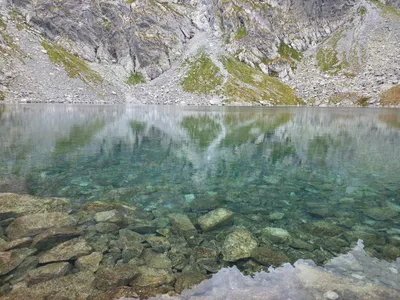 Distance: 24.7 kmDuration: 7 h 38 min
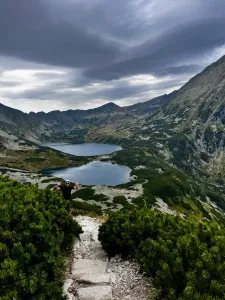 Distance: 16.5 kmDuration: 5 h 45 min
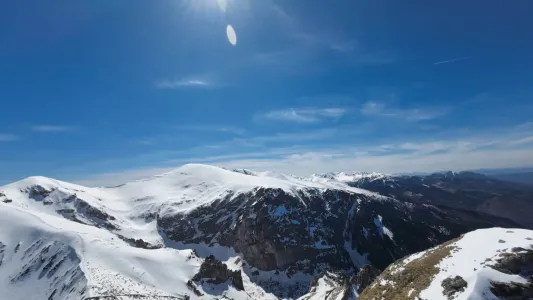 Distance: 6 kmDuration: 3 h 15 min
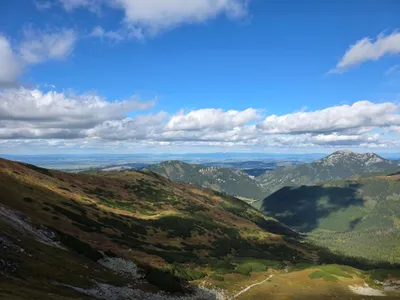 Distance: 18.1 kmDuration: 6 h 50 min