You type “Slovak trail fees” into a search engine, pack sandwiches and assume that on the other side of the border a ticket booth is waiting, like at the entrance to a theme park. The good news: for walking marked trails in the Slovak Tatras you generally do not buy an entry ticket. The worse news: the car, a cable car, a night’s stay and a possible rescue can empty the wallet far more effectively than an entry fee.
That does not mean Slovakia is “free”. It only means the bill is split differently. If you are planning a day by Popradské Pleso, in Biała Woda Valley, at Zelene Pleso or an ambitious route in the Roháče, it is worth knowing where the money really goes — and where saving is simply a stupid idea.
Fees for Slovak trails - the most important rule
In the Slovak Tatra National Park there is no general hiking-trail entry ticket of the kind known from some parks on the Polish side. You can set off from the car park onto the route without hunting for a till and without sticking a ticket on your backpack. That also applies to many popular goals: valleys, huts and Tatra lakes.
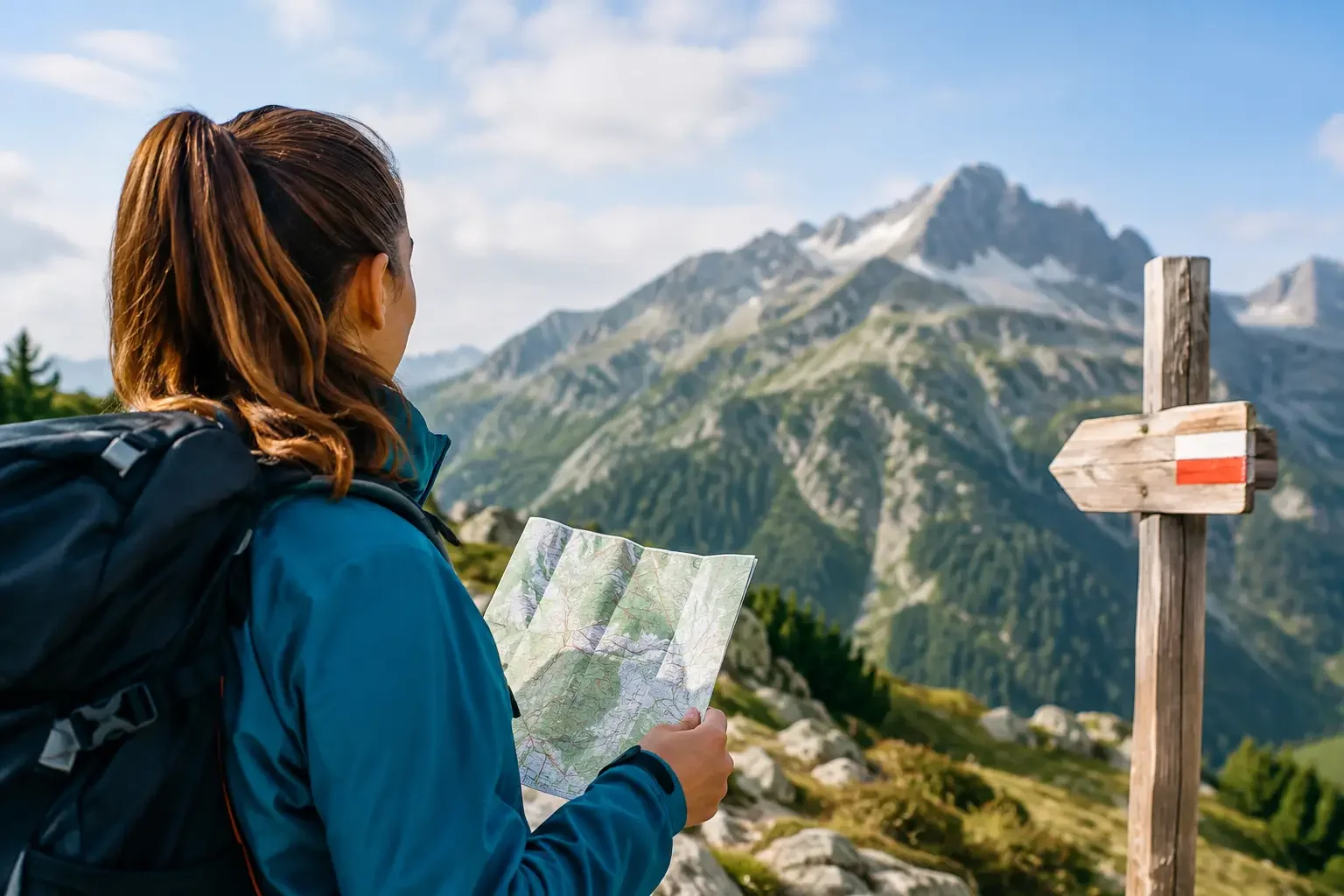
Do not confuse the lack of a ticket with full freedom, though. You stay on marked trails, in places meant for that, and at times when the route is open. The Slovak Tatras have seasonal closures of high-mountain trails, usually from 1 November to 15 June. The ban is not a suggestion for people who will “just quickly pop up to the pass”. In winter and spring conditions there are completely different from a wide valley road, and the closures protect both nature and people from very bad decisions.
In practice, before you go you check not only the car-park price, but also the current line of the route and notices. Weather, repairs, storm damage or local restrictions can change the plan in a single morning.
What will you actually pay for in Slovakia?
Parking - the most common cost of the day
If you go by car, parking is usually the first and most certain fee. At popular starts such as Štrbské Pleso, Starý Smokovec, Tatranská Lomnica or around trails in the Western Tatras, a free space is about as real as a free table in a hut on a long weekend.
Prices depend on the town, the season, how long you stay and the specific operator. Sometimes you pay by the hour, sometimes for the whole day. The difference between a car park a few minutes from the trailhead and a cheaper one further away can mean extra kilometres of walking on tarmac. For someone on a calm stroll — swallowable. For a crew coming back after 10 hours from a ridge, in rain and after dark — less funny.
Do not leave the car “just for a minute” next to a no-parking sign or on the verge, because locals also know that tourists like to try that. A fine or a wheel clamp is a miserable end to the day, not a cleverly saved euro.
Cable cars and transport - convenience has a price
Cable cars are not compulsory, but in Slovakia they are an important part of planning. That applies especially to the Łomnica area, Hrebienok or Štrbské Pleso. A cable-car ticket can cost more than parking and lunch together, especially if you buy at the last minute or at popular hours.
Is it worth it? It depends. For a family with small children, someone short on time or a hiker who wants to start the walk higher, a cable car can be a sensible expense. For a fit person planning a full day in the mountains it is often better to treat the climb as part of the outing. Just remember that riding up does not turn a high-mountain route into a Sunday stroll. You can still walk into fog, wind, slippery stones and a crowd forming a long human snake on the ascent.
In many places public transport is also worth considering. It avoids the parking problem and lets you descend somewhere other than the start. You do have to watch the last runs, though. The romantic vision of a night walk along the road quickly loses its charm when the temperature drops and the phone has 3 percent battery.
Mountain hut, food and a night’s stay
Slovak huts are not free recovery stops. You pay for a night, just as you pay for food, drinks or some of the services. Prices can be higher than the intuition of someone used to a normal shop would suggest. Getting products up the mountain and running the building do their job.
If you plan to stay overnight, book ahead, especially in the holidays and on fine weekends. Counting on “we will squeeze in somehow” is a poor strategy when you come down tired, soaked and have several hours to the car ahead of you. Camping outside designated places in the park is not a trick for a cheap night. It is asking for trouble and adding pressure to places that already take a beating from tourism.
Mountain insurance - do not cut costs here
The most important fee may only appear when the day has gone badly. In Slovakia, mountain-rescue operations can be charged to the person being rescued. A European Health Insurance Card does not cover the costs of mountain rescue transport. So do not count on a Polish public-health card solving the problem if after a fall you cannot walk down on your own.
You need travel insurance that covers mountain hiking and rescue costs. Read the terms instead of looking only at the lowest price. Check the rescue-cost sum, the range of activity covered, altitude limits and exclusions for via ferrata, climbing or anything after alcohol. A generic line about “amateur sports” does not always mean exactly what you think.
A free trail does not mean: no preparation
The lack of a ticket can give a false sense that Slovak routes are less demanding. Not at all. Many approaches are long, stony and more stretched out than popular outings from Kuźnice. The difference is scale: you start low, walk a long valley, and only then does the terrain get serious. If you miscount the time, the end of the day can be very long.
Take cash and a card, but do not assume every small service in the field works as well as in town. Charge the phone, download an offline map and save the parking spot. That is banal until after a full day you are hunting for the car among several similar lots. In the mountains banal things often save the plan more effectively than the most expensive watch.
Prepare a realistic budget for food and an emergency return as well. The four items worth counting before you go are parking, rides or cable cars, the hut and insurance. Only then wonder whether there is anything left for another coffee with a view of the Tatras.
How not to overpay and not ruin the day
The cheapest variant is not always the best, but a few decisions really make a difference. Arrive early if you care about parking close to the start. Consider a train or bus where the route has a different start and finish. Pack your own water and food for the whole day, but do not skimp on insurance and proper shoes.
Do not build the plan around a cable car if its running depends on weather, wind or the season. Always have a walking variant or an alternative valley. And do not try to “make back” the parking fee by picking a route beyond your ability. That is absurd maths: a dozen euros saved can end with a bill you do not want to look at.
If you are unsure whether a given fee applies, check it directly before you go. Car-park and cable-car price lists change faster than a trail description in an old guidebook. Leave yourself a margin of money, time and energy in the plan. In the Tatras on the Slovak side the most expensive thing is not entering the trail, but a badly prepared day.

 2026-09-23
 2026-09-28
 2026-09-26
 2026-09-25
 2026-09-24
 2026-09-22
 2026-09-21
 2026-09-20
 2026-09-19
 Distance: 18.5 kmDuration: 8 h 09 min
 Distance: 24.7 kmDuration: 7 h 38 min
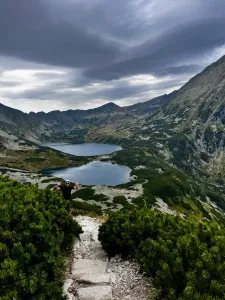 Distance: 16.5 kmDuration: 5 h 45 min
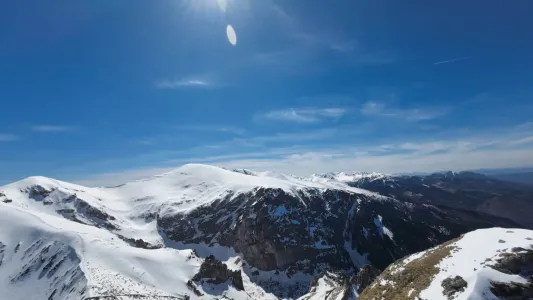 Distance: 6 kmDuration: 3 h 15 min
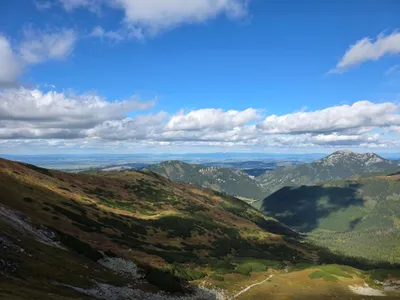 Distance: 18.1 kmDuration: 6 h 50 min