If the phrase “new rules for entering the Slovak Tatras” makes you picture a gate, a ticket and a man guarding the trail entrance, relax — that is usually not how it looks. The problem is more sneaky. In the Slovak Tatras there is no single entry system for everyone, but there are seasonal closures, TANAP rules, transport limits and local car-park rules. In practice you can drive up to a valley, pack your backpack, and then discover that the day’s goal is out of reach. Not because the weather is awful, but because you did not check one notice.
New rules for entering the Slovak Tatras - what actually changes?
First the most important point: on most marked trails in the Slovak Tatras you do not buy a general entry ticket. There is also no universal entry reservation that will guarantee you access to the whole park. That is good news for people planning a spontaneous trip, but it does not excuse you from preparing.
“New rules” most often mean one of four things: a change in how access and parking are organised, a temporary closure of a specific stretch, a seasonal shutdown of high-mountain trails, or rules imposed by the operator of a cable car or car park. Any of these can wreck an ambitious plan, even though none of them is a classic ban on crossing the border.
The Slovak side of the Tatras is also bigger logistically than the area around Zakopane. Walking to Popradské Pleso, starting from Biała Woda, riding up to Hrebienok or a trip into the Roháče are completely different scenarios. Do not dump them into one bag labelled “Slovak Tatras”.
Seasonal closures: a rule you cannot work around
The most concrete rule is about nature protection. Every year a large part of the high-mountain trails on the Slovak side is closed for the winter period, basically from 1 November to 15 June. This especially covers stretches leading to passes, summits and the higher parts of valleys.
That does not mean you cannot walk in the Slovak Tatras from November. Many valleys, hut approaches and goals such as Popradské Pleso or Hrebienok stay open. What often gets closed are exactly the stretches that make the biggest impression in summer: climbs to passes, ambitious valley links and summit variants of routes.
A real-life example: in winter you can walk to a mountain hut and have a very decent outing, but you must not go “just a bit further” on a closed trail because the tracks in the snow look inviting. They are not an argument. The tracks may belong to rescuers, ski mountaineers operating under a different regime, or simply someone who has just done something stupid.
The dates of seasonal closures are a fixed point of reference, but before you go always check the current park notice. Sudden closures happen because of storm damage, technical work, avalanche risk or animal protection. The mountains have no duty to keep to your holiday calendar.
A closed trail is not a suggestion
On the Polish side it happens that hikers treat tape or a sign as decoration. On the Slovak side that approach does not make anyone clever either. Entering a closed stretch can end with a fine, a problem during a rescue, and above all walking into terrain the park does not protect or intend for tourist traffic.
If Plan A falls through, pick Plan B. Do not try to save the day by going “round the side”, along a forest cut or a shortcut from the map. In the Tatras a shortcut very often means mud, dwarf pine, steep ground and an unnecessary fuss.
Access, parking and cable cars: this is where limits show up most often
In the Slovak Tatras the start of the trail is usually the car park, and the car park can be the weakest point of the whole trip. In season popular spots fill up early, and the parking rules, fees and booking options depend on the location. Be especially careful planning a trip to the Štrbské Pleso area, Starý Smokovec, Tatranská Lomnica and the mouths of the most popular valleys.
Do not assume you will drive as close everywhere as you did a few years ago either. Some places push public transport, some limit parking, and some car parks have their own hours and payment systems. Arriving at 10:30 on a July Saturday with a vision of a full-day route is asking for a walk on tarmac before you even see the trail.
Cable cars to Hrebienok, Łomnica or other tourist points are a separate service. A cable-car ticket is not a park ticket, and being able to buy a ticket does not mean the weather later allows a sensible climb higher. The cable car to Łomnica in particular can build a false sense of safety. You can go high quickly, but wind, cold and ice do not ask how much you paid for the ride.
If you care about a specific ride at the peak of the season, check the sales rules and running times in advance. Do not build the whole route on a connection you have not confirmed.
The border is open, but it is still worth having ID
Poland and Slovakia are in the Schengen area, so day to day there is no classic border check. That does not mean you can set off without an identity document. Checks can be brought back temporarily, and an ID card or passport also helps in situations not directly related to the border.
For drivers there are also Slovak road rules and a vignette for toll sections. If you are going by car, check the route, not only the destination in the satnav. A few kilometres of “fastest route” can unnecessarily send you onto a stretch that needs an electronic vignette.
Take a European Health Insurance Card (EHIC) as well, but do not pretend it covers mountain safety. The costs of Slovak mountain rescue can be painful, so insurance that covers mountain rescue and a helicopter operation is simply a sensible part of the trip. It costs less than dinner for two people at the foot of a slope, and it matters far more.
TANAP rules that are easy to forget
The Tatra National Park on the Slovak side protects nature, not the convenience of our hiking plan. Stay on marked trails, respect closures and do not treat a wild overnight as a clever way to catch the sunrise. Camping outside designated places is not mountain romance, just breaking the rules.
It is also worth being careful about going with a dog. Rules on dogs and which trails they can use can differ by area and current signage. Do not assume that because the dog walked a Polish valley with you, it will automatically go onto every Slovak trail. Checking this before you go saves nerves for you, the animal and the person left with it in the car park.
A drone? Leave it at home if you do not have the required permits. The Tatras from the air are beautiful, but for birds, chamois and people looking for quiet a buzzing gadget is not an attraction. The park is not your film set.
How to check the route before you go
The evening before the outing and in the morning before you start, verify four things: the status of the trail, the forecast for the target altitude, access or parking, and a realistic descent time. It sounds banal, but those four points are exactly where most badly planned days fall apart.
A forecast for Poprad says little about conditions on a pass. The temperature down below can be pleasant while higher up a cold wind is blowing, snow is lying or a storm is coming in. In the High Tatras afternoon storms, wet slabs and lingering patches of hard snow on shaded stretches are especially dangerous. Summer running shoes on steep, wet rock do not become a good idea just because it is August.
Match the goal to the weakest person in the group, not to whoever talks loudest about how they “used to walk in the mountains”. An ambitious trail can be repeated. A bad descent in a storm, in the dark and on tired legs cannot be undone.
If you have a doubt, pick a valley, a lake or a mountain hut instead of an exposed ridge. The Slovak Tatras are not going anywhere. A reasonably shortened day often ends with coffee, a warm dinner and an appetite for the next trail, not a phone call for help.

 2026-09-24
 2026-09-22
 2026-09-21
 2026-09-20
 2026-09-19
 2026-09-18
 2026-09-17
 2026-09-16
 2026-09-15
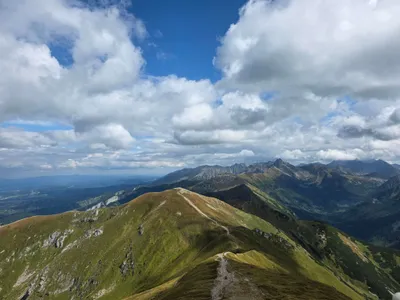 Distance: 18.5 kmDuration: 8 h 09 min
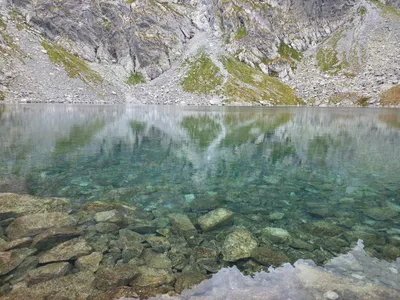 Distance: 24.7 kmDuration: 7 h 38 min
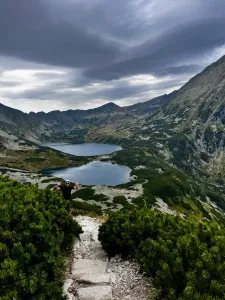 Distance: 16.5 kmDuration: 5 h 45 min
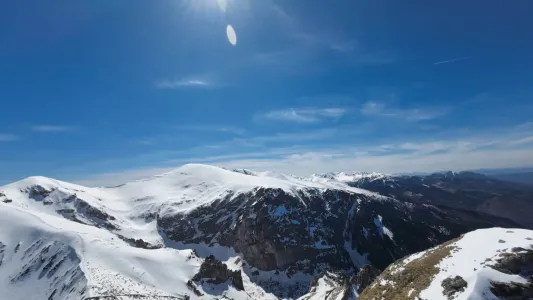 Distance: 6 kmDuration: 3 h 15 min
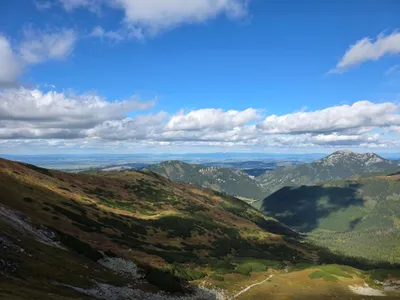 Distance: 18.1 kmDuration: 6 h 50 min