planning
How to buy a TPN ticket online without getting stuck in the queue
See how to buy a TPN ticket online, pick the right entrance and time, and avoid queues, payment mistakes and the stress of sorting it out on the morning you set off.
Planning a Tatras trip without a car: getting there, where to stay, minibuses, queues and trails. See how to avoid getting stuck in Zakopane and set off into the mountains without the stress.
Author: Konrad Leśniak8 min read
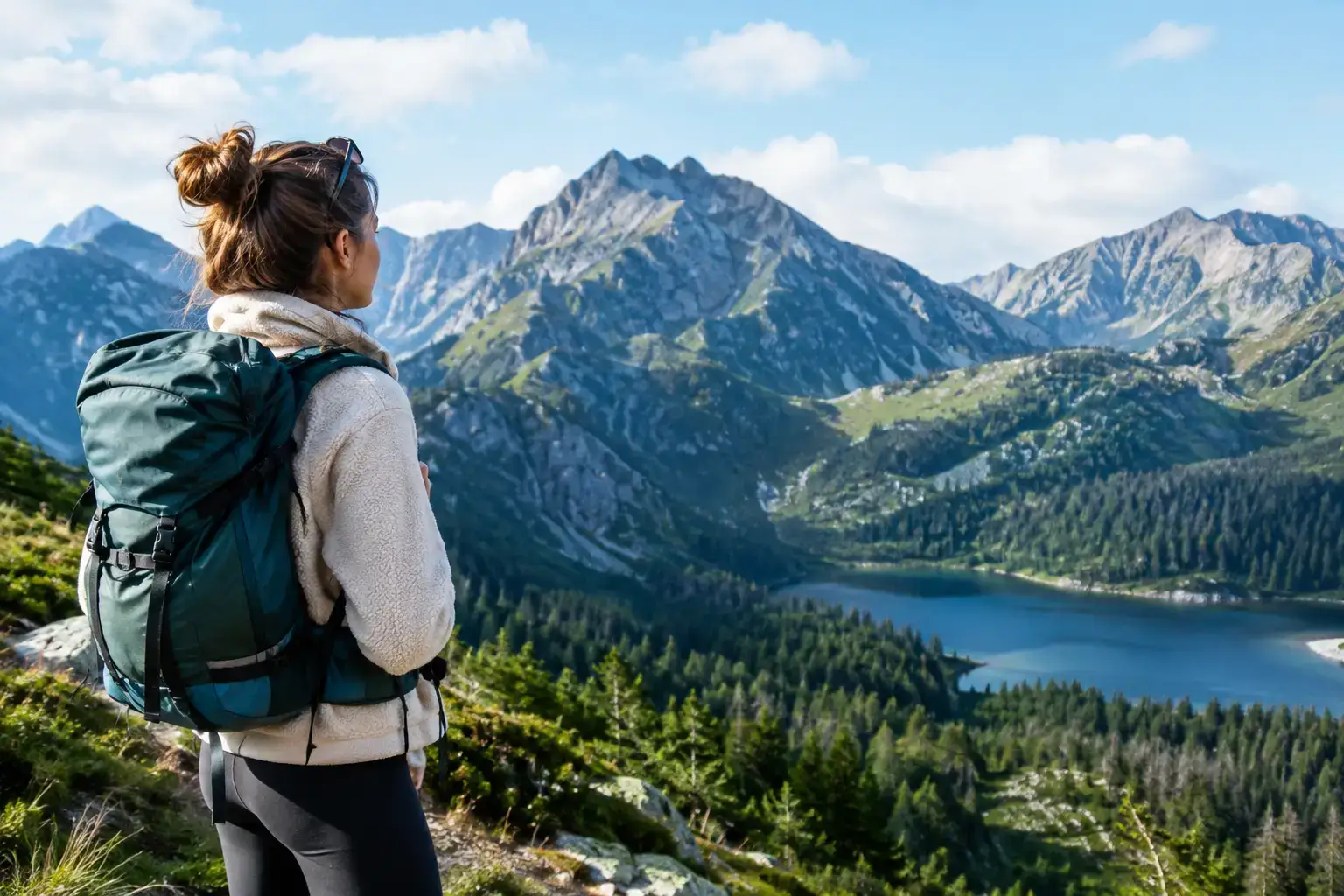
The train pulls into Zakopane, you step off with a backpack, and it turns out the trail is further than it looked on the map. Planning a Tatras trip without a car has one big advantage: you are not sitting in a jam outside Zakopane, and you are not hunting for a parking space at an absurd price. It also has a condition. You have to plan the route in the mountains, and the way back from it.
This is not an impossible problem. The Tatras work very well by train, minibus and your own legs. You only have to drop the idea that every day you will walk exactly where an app happened to suggest. Without a car, what wins is flexibility, a sensible base, and a route chosen to fit the timetable, the weather and the fitness of the group.
Zakopane is the most convenient if you arrive by train and want to walk on the Polish side of the Tatras. The station gives you minibuses towards Kuźnice, Palenica Białczańska, Dolina Kościeliska and Dolina Chochołowska. That does not mean every stay inside the town limits will be practical.
If you are sleeping high up on Cyrhla, in Olcza, or on the edge of Kościelisko, check how you will get back after you come off the trail. After a long day on Czerwone Wierchy, the last thing you need is another three kilometres uphill in wet boots. Pick a stay a sensible distance from the station, a bus stop, or the road out towards Kuźnice. The centre is not always romantic, but in the morning it can save you an hour and some nerves.
For people set on the quieter valleys, Kościelisko is a good base too. It is closer to the entrances of Dolina Kościeliska and Dolina Chochołowska, and further from the trains and the connections towards Morskie Oko. That is the choice for people who do not want to tick off everything every day. Quite right. The Tatras are not going anywhere.
The train to Zakopane is comfortable, especially from the bigger cities. You do not have to drive after several hours of travel, and on the way back you can simply sit down and fall asleep. In season, on long weekends and during the winter school holidays, book tickets early. That applies above all to the return, when half of Poland has the same idea on a Sunday afternoon.
Do not plan a demanding route on the day you arrive if you get off late in the morning or in the afternoon. A delayed train, the walk to your stay, shopping and sorting out a minibus can eat half the day. For the start, a walk around Zakopane, a trip up Antałówka, or an easy option in a valley is a better choice. Leave the ambitious goal for a morning when you are rested and you have a full day of light.
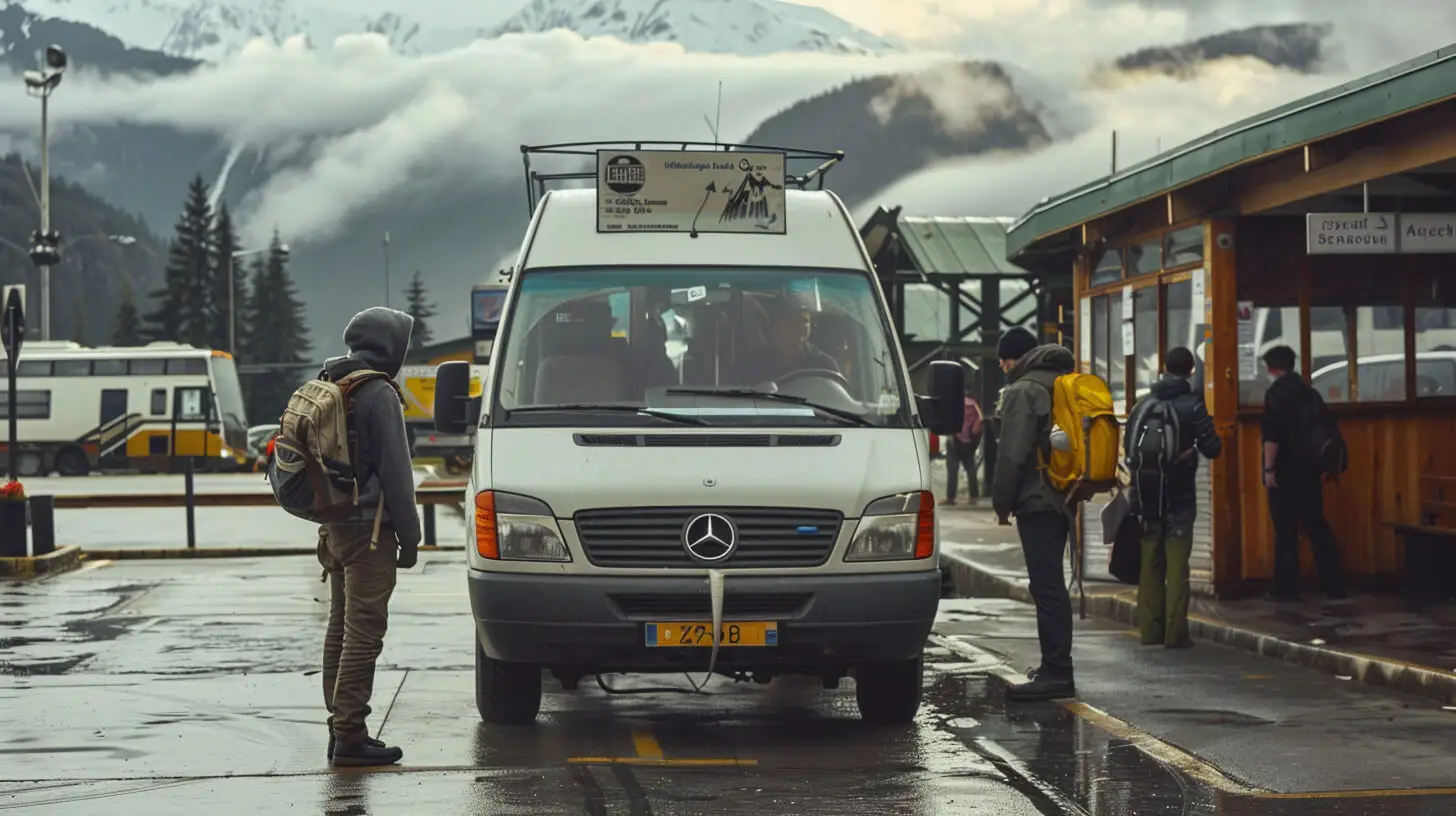
Under the Tatras a minibus does not run like a city bus every ten minutes, all day and all night. Some services are frequent, some are seasonal, and some vanish at the moment you are counting on the ride back. Check the timetables before you leave, and again the evening before the route. They change, and advice from a comment two years old is worth less than a soaked map.
Connections to the most popular trailheads are usually easy to find. Kuźnice opens the way towards Kasprowy Wierch, Hala Gąsienicowa and Dolina Jaworzynki, among others. Palenica Białczańska is the start of the trail to Morskie Oko, and further on into Dolina Pięciu Stawów. Dolina Kościeliska and Dolina Chochołowska are straightforward for people staying in Zakopane or Kościelisko.
The trouble starts with less obvious trailheads, late descents, and linear routes. A linear route means you go up in one place and come down in another. It is excellent, because you do not repeat the path, but you have to check transport at both ends. Without a car it is not enough to know you will come down to Kiry. You also need to know whether a minibus will take you back from there, or whether a long walk along the verge is waiting.
It is worth having cash in small notes, a charged phone, and the address of your stay written down. Signal in the valleys, and higher in the mountains, can be fickle, and after a full day you do not want to hunt in the dark for the name of a stop. Do not assume every driver will take a card just because it is 2026 in town.
The best car-free plan is built on routes with a simple journey there and some time to spare. For the first day, Dolina Kościeliska, Dolina Chochołowska, Kuźnice and the easier options around Hala Gąsienicowa work very well. You can set off in the morning, and after you come down you do not feel that one late minibus has wrecked the whole evening.
Morskie Oko is simple to reach, and not necessarily peaceful. In season the road to Palenica and the trail itself can look like a human snake. If you want to go there, set off early. Not because it sounds nice in a guide, but because a later start means a crowd, queues for transport, and less room for a calm decision when the weather starts to turn.
For more ambitious goals, pick a day with a solid forecast and hours in hand. A climb of Kasprowy Wierch, a crossing of Czerwone Wierchy, or a longer loop through Dolina Pięciu Stawów can be realistic without a car, but not with a plan that says: we will catch the last minibus somehow. That word, somehow, has a terrible reputation in the mountains.
If someone in the group is a beginner, do not build the day around records. The journey there, the queue to get in, the walking pace, the breaks and a possible turnaround are part of the trip. A high-mountain route does not become easy because a minibus dropped you at the start of the trail. Wet rock, exposure and a storm could not care less how you got there.
The Slovak side offers fantastic options, especially if you want a break from the biggest crowds on the Polish side. Do not treat it as a spontaneous day trip from Zakopane, unless you have very well checked connections and an easy goal. Changes, the crossing of the border and the time limits can eat the energy you would rather keep for the climb.
In the Slovak Tatras, a convenient base is a town on the Tatra Electric Railway (TEŽ), such as Poprad, Starý Smokovec or Tatranská Lomnica. That setup lets you build linear routes much more cleverly than from a single car park. You can go up one valley, come down another, and ride the train back, instead of retracing the whole way down.
There is another side to it. Slovak mountain huts, cable cars, trail rules and seasonal limits have to be checked separately. Do not copy Polish habits automatically. Some high-mountain trails can be closed for part of the year, and an autumn plan from the internet can fail completely on a different date.
This is the most important point in putting the trip together. The Tatras without a car need a plan A, and they also need a plan B. If the forecast shows storms, a strong wind or rain all day, do not force a ridge just because you have already paid for the stay. Hiking high in a downpour is not grit. It is asking for a slip, getting chilled, and very poor memories.
A spare day can save the whole trip. When conditions are poor, pick a valley, a shorter walk, a museum, the thermal baths, or simply a rest. When conditions improve, you move the more ambitious route without panic, and without pretending that a storm warning is a minor inconvenience.
Before you set off, agree a turnaround time in the group. Not the hour you will reach the summit, but the moment you turn back regardless of ambition. Travelling without a car makes that twice as important: missing the transport can mean an expensive taxi or a walk of several kilometres on asphalt, and nobody puts that on the list of holiday attractions.
The best trip without a car is not about ticking off the maximum number of places. It is about knowing in the morning how you will reach the trail, having a safe way down in the afternoon, and still having the energy in the evening to plan the next day instead of rescuing a badly built one.
See how to buy a TPN ticket online, pick the right entrance and time, and avoid queues, payment mistakes and the stress of sorting it out on the morning you set off.
Where to park in the Tatras and how to catch local buses? Practical guide to TPN online parking reservations, Kuźnice car restrictions, cash-only rules and Slovakia access.
Parking at Palenica Białczańska: the drive, current rules, arrival times and a plan B when a long tourist queue is already waiting at the gate to Morskie Oko.
These are affiliate links. If you book a stay or a ticket through them, we earn a small commission, for coffee :), at no extra cost to you.