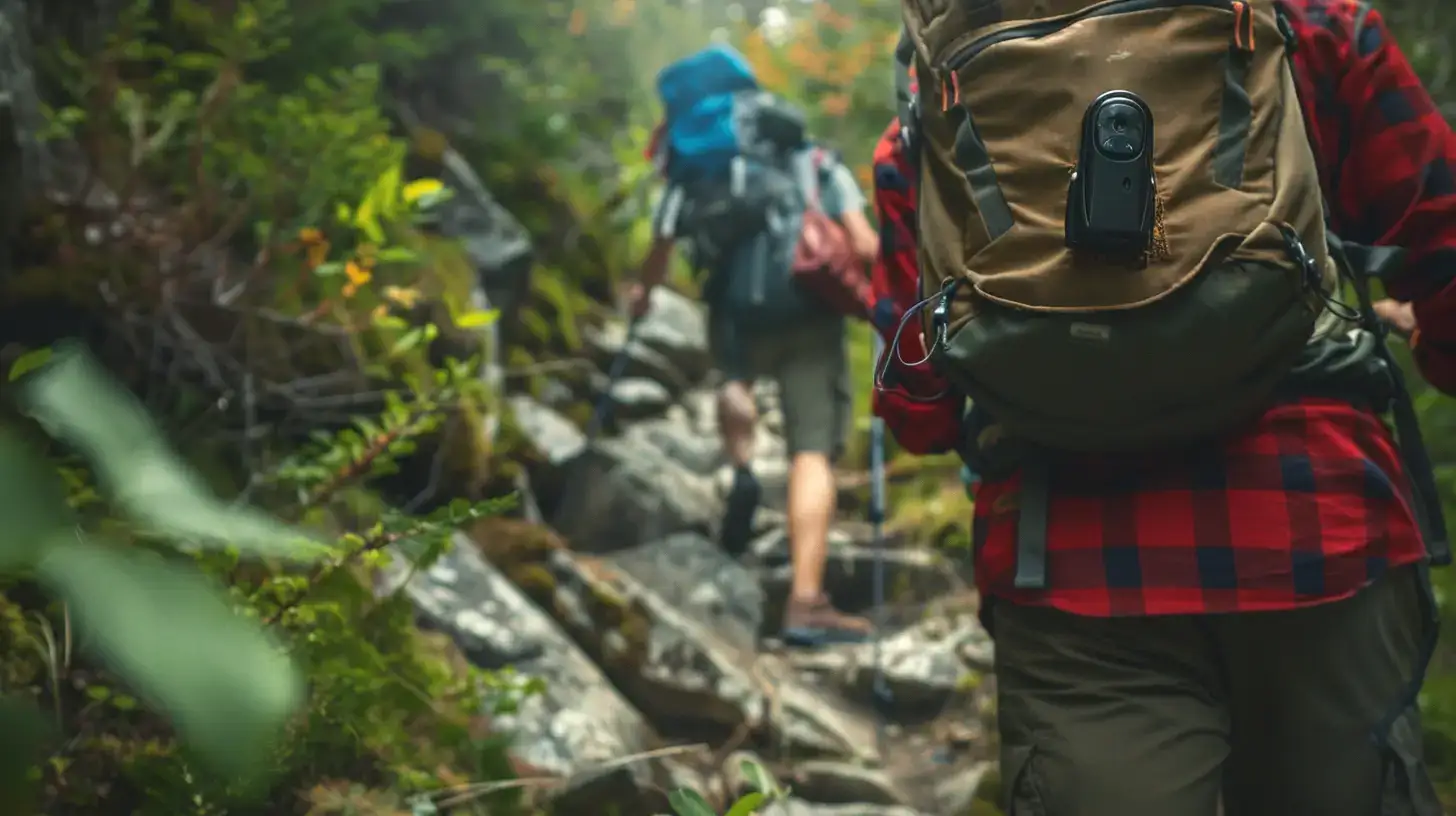
culture4 min read
Culture on the trail: How not to annoy others (and animals)?
To say ‘hello’ or not? Who has right of way on the chains? And why is a drone the worst idea in a national park? A quick guide to mountain etiquette.
“When nature calls, nature calls. But what do you do when there’s nothing but rocks around you and the next mountain hut is three hours away? How do you relieve yourself in the mountains without damaging the environment or burning with embarrassment?”
Author: Konrad Leśniak4 min read
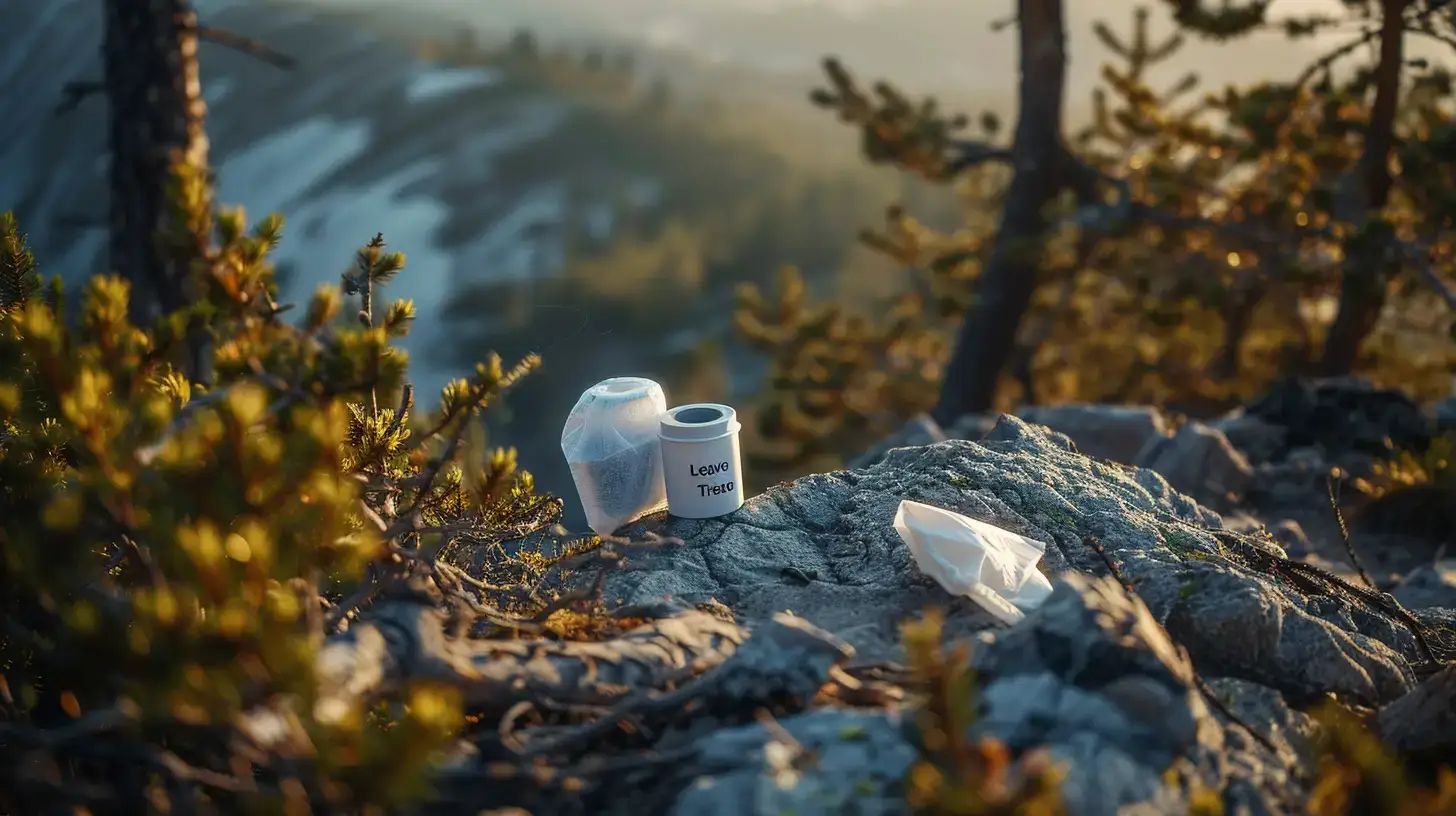
Imagine this: you’re halfway up Szpiglasowy Wierch. The views are stunning, the sun is shining, and suddenly you feel that the coffee you drank this morning at the mountain hut, combined with a protein bar… is demanding immediate attention. An hour to the pass, two to the valley. What do you do?
Toilets in the mountains are a taboo subject. Nobody writes about it in guidebooks, and the result is that ‘behind every large rock’ along the trail, white flags of used toilet paper are fluttering.
Let’s break this taboo. Here’s a short guide on how to take care of “those matters” with respect for yourself and nature.
💡 In a nutshell – Golden rules for going to the toilet in the mountains:
- Use toilets in mountain huts and portable toilets at the bottom (even if you don’t feel like it yet!).
- Walk far away from the trail and never relieve yourself near streams.
- Bury your waste (the “cat” method).
- Take used paper with you in a zip-lock bag (Leave No Trace).
- Carry antibacterial hand gel in your backpack.
It sounds obvious, but 90% of problems can be avoided. Are you entering a mountain hut? Go to the toilet. Even if “you don’t feel like it right now”. The mountain huts in the Dolina Pięciu Stawów (Valley of Five Lakes), at Hala Ornak or in Murowaniec are the last bastions of porcelain. Make the most of them before the final push to the summit.
It’s happened. You can’t hold it in any longer. You’re on the trail. What now?
Rule 1: Get off the trail (and away from water!) Step off the path far enough to get out of sight of other people (but be careful not to get lost in the fog!). Under no circumstances should you relieve yourself near streams or ponds. Water in the mountains circulates, and you don’t want to be the source of E. coli bacteria in other hikers’ (and animals’) streams.
Rule 2: The ‘cat’ method Do you have a trekking pole or a sharp stone with you? Dig a small hole (about 15 cm deep). Afterwards, cover it with soil, moss or pine needles. This speeds up decomposition and masks odours so as not to attract wild animals.
This is the biggest sin committed by Polish tourists. Toilet paper thrown onto a mountain pine bush takes months to decompose. Wet wipes (the hit of recent years) are made of plastic – they won’t decompose for decades!
What should you do? The Leave No Trace principle is brutal but simple: Take your paper with you.
You are on Czerwone Wierchy or the Wołowiec ridge. No trees. No mountain pine. Everywhere there is only flat grass or rock, and 50 people within sight. Your only salvation is larger rock formations or terrain breaks (ridge gullies). Sometimes you simply have to walk a few dozen meters to the side (watch out for cliffs!) and… hope for the understanding of the hikers passing by, who will probably look away.
The mountains are our shared home while we’re on holiday. None of us would want to sit down for a rest on Gęsia Szyja in a “trap” left behind by the person before us. Carry paper and zip-lock bags in your backpack - they weigh next to nothing, and they make sure the only traces you leave behind are footprints.
Newsletter
A few times a year: trail conditions, closures, the best time to go and new routes. No weekly spam.
To say ‘hello’ or not? Who has right of way on the chains? And why is a drone the worst idea in a national park? A quick guide to mountain etiquette.
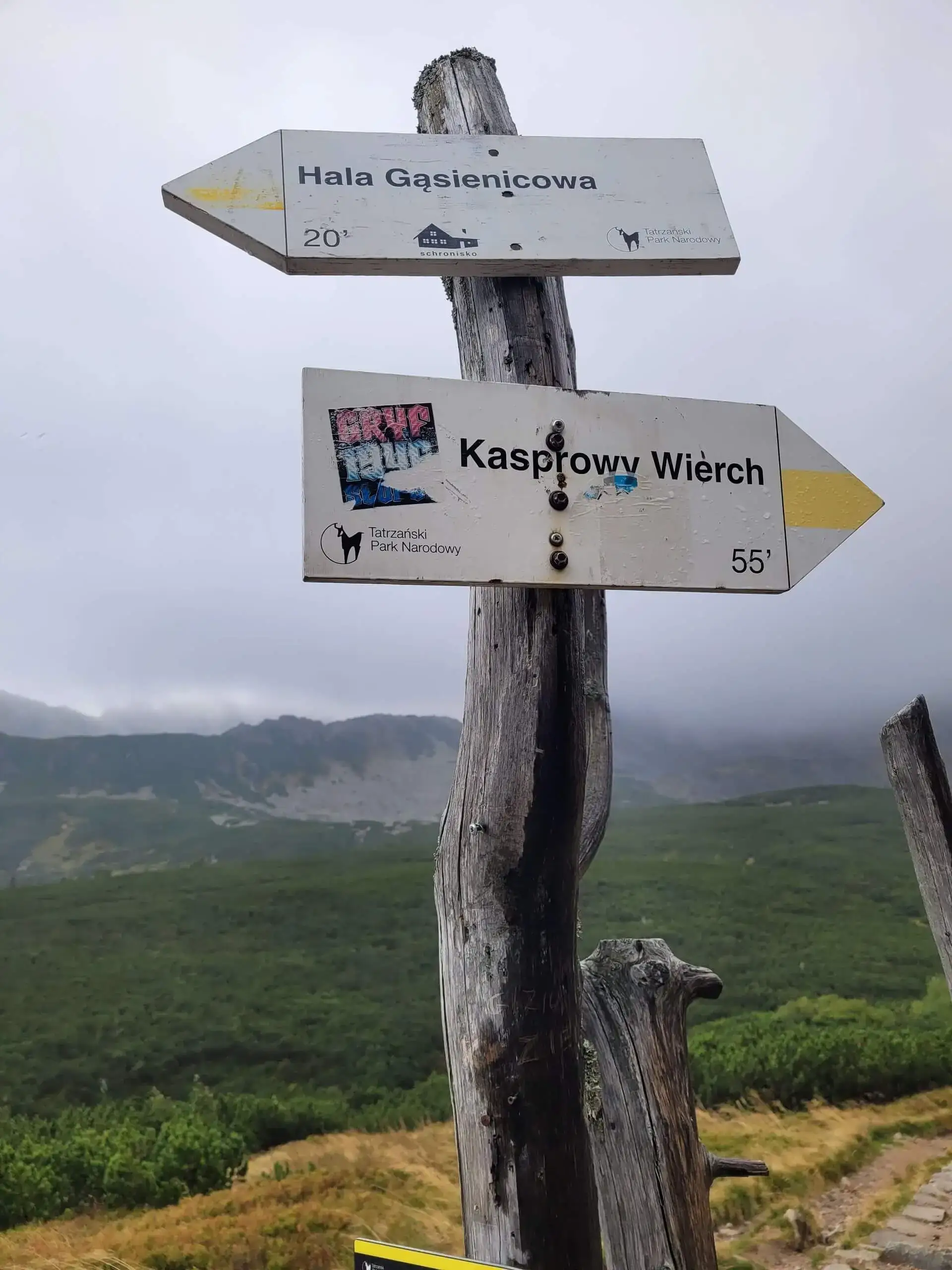
How to call for help in the Tatras: TOPR numbers 985 and +48 601 100 300, the Ratunek app, what to tell the dispatcher, no signal, and HZS 18 300 in Slovakia.
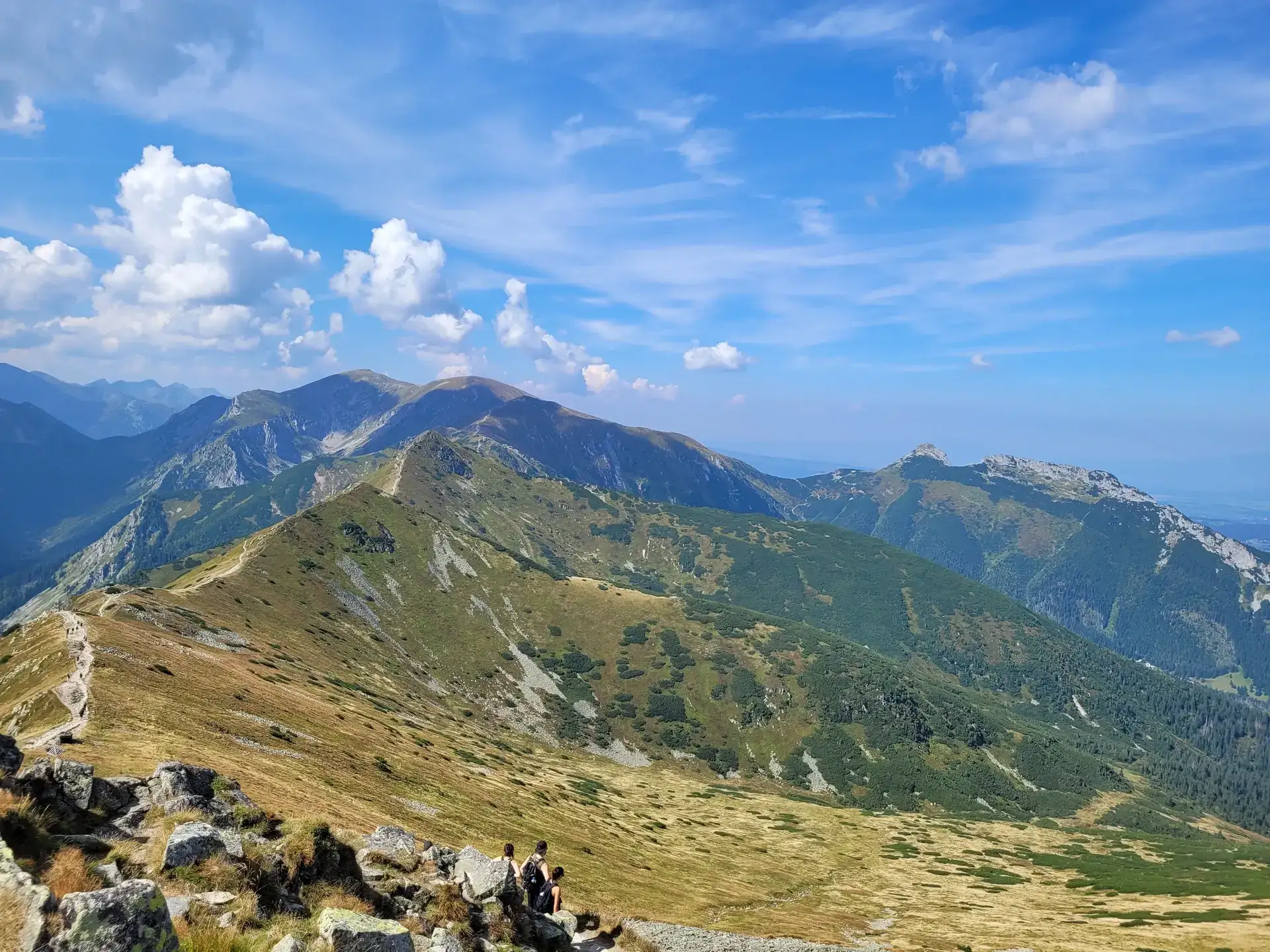
Kasprowy Wierch – Kopa Kondracka – Giewont along the ridge in one day: section times, chains below the cross, water, heat, and why it is a summer route, not a winter one.
Start: Kiry · via The four 2,000-metre peaks and Ciemniak and Krzesanica
Start: Palenica Białczańska · via “Siklawa Waterfall” and “The highest mountain hut”
Start: Wierch Poroniec · via Rusinowa Polana and Panorama of the High Tatras