What should you really fear in the Tatras? (It is not bears)
When you are planning your first trip to the Tatras, your imagination serves up the worst-case scenarios. A face-to-face meeting with an enraged bear, an avalanche in the middle of July, or a dramatic fall from the chains on Giewont.
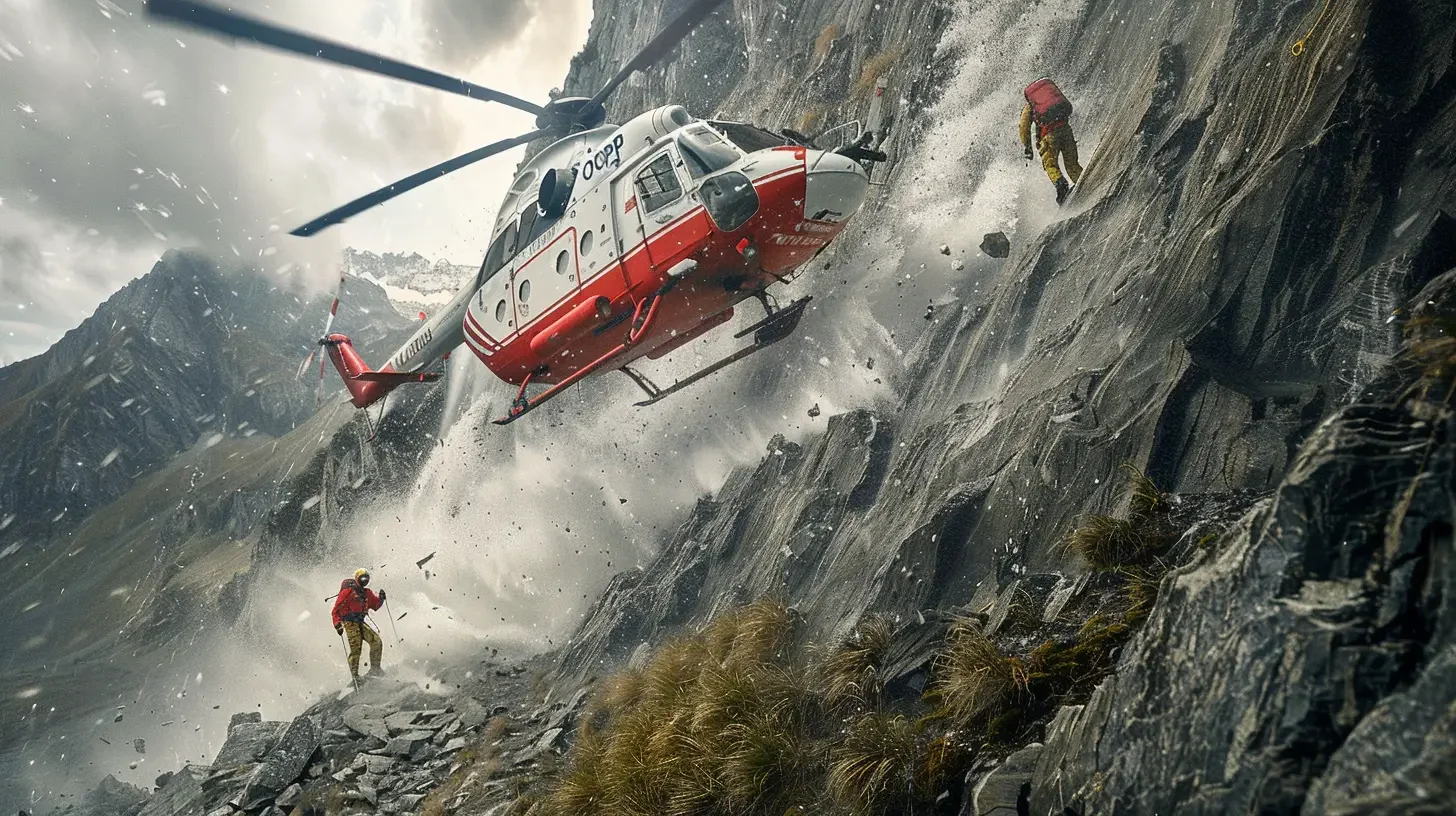
TV loves stories like that. But do you know what TOPR rescuers’ statistics say? That all of it is just the fringe. The real reasons a helicopter flies into the mountains are much more mundane, and much easier to avoid.
Here are 4 things you should actually be afraid of in the Tatras.
1. Enemy no. 1: Pride and “It will somehow work out”
Most TOPR interventions do not involve mountaineers dangling by one finger over a cliff. They involve tourists who have been hit by exhaustion, dehydration, and a total system shutdown.
Scenario: Mr. Janek hikes up Czerwone Wierchy (Red Peaks). He did not bring water (“because it is heavy”), and he ate one croissant in the morning. At 3 p.m. on the ridge, his body says enough. His muscles stop cooperating, his head spins, and he cannot take another step.
Fact: Exhaustion and sudden medical events, such as heart attacks in people who sit at a desk during the week and then do 20 km of vertical gain on the weekend, are a plague on the trails.
Cure: Match the hike to your ability. Start with Nosal or Sarnia Skała, not Rysy. And drink water before you feel thirsty.
2. Enemy no. 2: “Black Ice” and wet rock
Afraid of the chains on Orla Perć? Fair enough. But many more people break bones on… simple paths in the valleys.
Limestone, which forms the lower parts of the Western Tatras, for example Wąwóz Kraków or the descent from Giewont, has been polished by millions of boots so much that after rain it turns into an ice rink.
In autumn and spring, in shaded gullies, for example below Zawrat, water on the rocks freezes and creates an invisible layer of ice. You step in sneakers, your foot slips, and your head hits a rock. End of trip.
3. Enemy no. 3: “We will be down in a minute” (Night in the forest)
“Honey, it is only 5 kilometers on the map. We will do it in an hour.” These are the most expensive words in the history of hiking. In the mountains, kilometers do not matter. What matters is the elevation gain and the time it takes to climb.
Tourists regularly start too late, at noon after “a little broth,” and do not factor in when the sun will set. In October, it is already pitch black by 5:30 p.m.
They get stuck halfway down without a headlamp. The trail disappears. Panic starts, the body gets cold, and they call TOPR: “We are in the forest, it is dark, help.”
Cure: A headlamp in your backpack weighs 50 grams. The Mapa Turystyczna app calculates time precisely. Use both.
4. Enemy no. 4: Thunderstorms
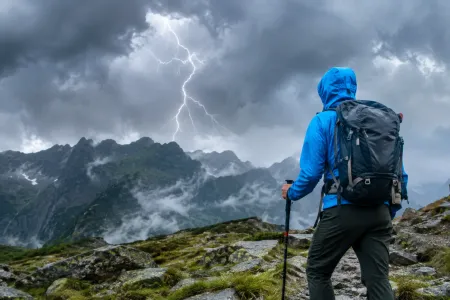
This is the only media-friendly danger that is 100% real and 100% deadly. A thunderstorm in the city means thunder and rain. A thunderstorm in the mountains, when you are standing on chains, means being inside a giant capacitor.
Lightning does not strike only the summits. Stray currents spread across wet rocks, wet ropes, and chains even dozens of meters from the strike point.
Cure: If the forecast calls for afternoon storms, then by 1:00 p.m. you should already be on the way down in a safe forest, not halfway up the climb to Kościelec.
The mountains are safe as long as you treat them seriously. Does this text scare you? It should not. It is just the user manual: switch your brain on, check the weather, bring water and a headlamp. That is enough for TOPR to have a boring shift.

 2026-09-28
 2026-09-22
 2026-09-18
 2026-09-27
 2026-09-26
 2026-09-25
 2026-09-24
 2026-09-23
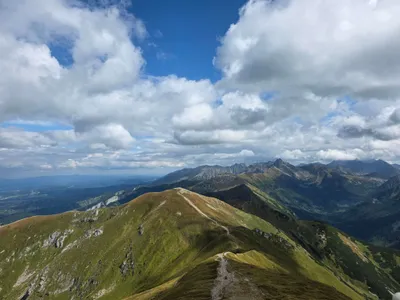 Distance: 18.5 kmDuration: 8 h 09 min
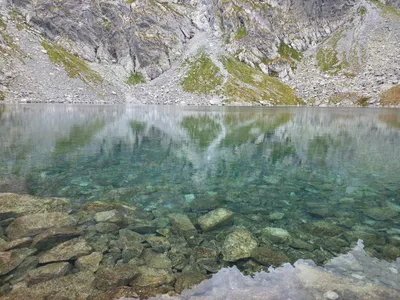 Distance: 24.7 kmDuration: 7 h 38 min
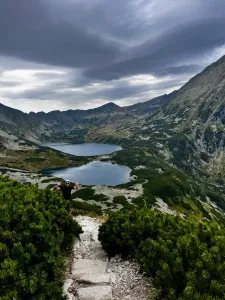 Distance: 16.5 kmDuration: 5 h 45 min
 Distance: 6 kmDuration: 3 h 15 min
 Distance: 18.1 kmDuration: 6 h 50 min