Blisters, "power cuts," and raw skin. 5 tricks that will save your holiday
You are sitting at work and planning a hike up Kasprowy Wierch. You look at photos, check the weather, buy new boots. You are ready. Then you get to the Tatras, and after an hour of walking you have a plum-sized blister on your heel, and halfway up the mountain it feels like someone cut the power.
Most hikers do not fall apart on the trail because they are unfit, but because of small, stupid mistakes that are easy to avoid. Here are 5 mountain battlefield “pro tips.”
1. Blisters: Prevent them before they hurt
If you wait to put on a plaster until the blister bursts, you have lost. You have ruined the trip.
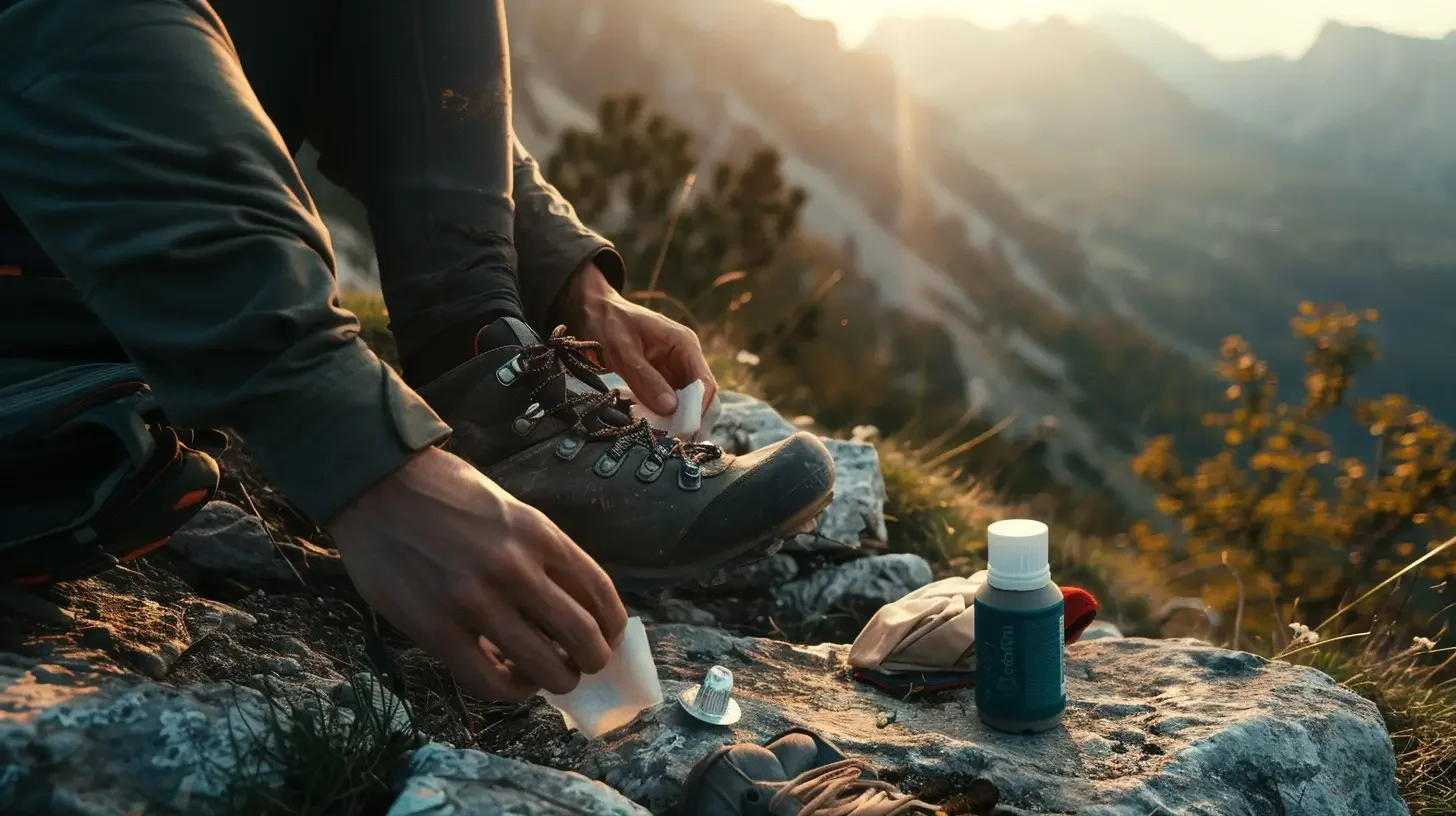
Hot spot trick: The moment you feel your boot rubbing your heel or toe even a little, when you notice warmth in that spot, stop immediately.
Do not hope that “it will break in.” Put a plaster on it, and even better, use a special gel blister plaster, such as Compeed. It works like a second, artificial skin and saves the day in 90% of cases, letting you hike, for example, Czerwone Wierchy (Red Seaks) without tears in your eyes.
2. “Power cut” (carb crash)
You know the feeling? You keep walking, walking, and suddenly, boom. Your legs turn to cotton, black spots appear before your eyes, and you have no strength to take another step, even though your heart is not even racing. That is the so-called “power cut,” a drastic drop in glycogen in the muscles.
How to prevent it: In the mountains, we eat before we get hungry. If you have 3 hours of climbing ahead of you on the way to Starorobociański Wierch, snack on something small, like a bar or dried apricots, every 45 minutes.
How to rescue it: If you already got “cut off,” you need sugar that works immediately. Coca-Cola, gummies, or special energy gels for runners. Fifteen minutes and you are back among the living.
3. Thigh chafing (“the wolf”)
A topic nobody talks about, but one that affects a lot of people, especially on hot summer days. Moist thighs rubbing against each other can, after a few hours of walking, turn into wounds that keep you stuck in the hotel for three days.
Solution: Regular baby powder (talc) or a stick antiperspirant, applied to the thighs before you set out. It reduces friction almost to zero. You will spare yourself a cowboy walk down Krupówki.
4. Sunburned necks and lips (mountain sun is a laser)
At 2000 meters above sea level, for example on Wołowiec or Szpiglasowy Wierch, UV radiation is several dozen percent stronger than by the Baltic Sea. On top of that, the wind cools your skin, so you do not feel yourself burning.
“Regular” SPF 30 is often not enough. You need SPF 50.
The most common mistake: People forget to protect their lips and ears. Burned, cracked lips after a full day on the ridge are a nightmare. A lip balm with UV filter in your pocket is an absolute must, especially in winter when the sun reflects off the snow.
5. An NRC blanket saves your butt, literally
An emergency blanket, that silver-gold foil, costs 5-10 złoty. Everyone knows it is used to warm up an injured person after an accident. But it is also a brilliant everyday gadget.
Sitting on cold, wet grass or snow while waiting for sunset on Rusinowa Polana? Spread out the NRC blanket as an insulator.
Caught in a downpour and your jacket is soaked through? You can wrap yourself in it, silver side toward your body, to keep in the heat before you reach the valley.
The mountains test your gear, but they test your head even faster. The rescuers’ golden rule is: react to small problems before they turn into big crises. Feel a boot rubbing? Stop and tape it. Feel hungry? Eat right away. It is simple, and it changes everything.

 2026-09-18
 2026-08-30
 2026-07-27
 2026-09-19
 2026-09-17
 2026-09-16
 2026-09-15
 2026-09-14
 2026-09-13
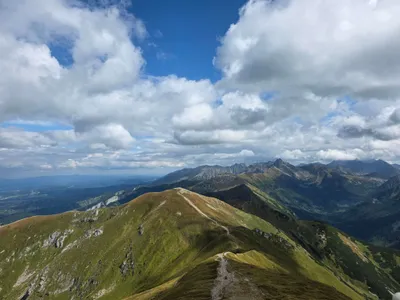 Distance: 18.5 kmDuration: 8 h 09 min
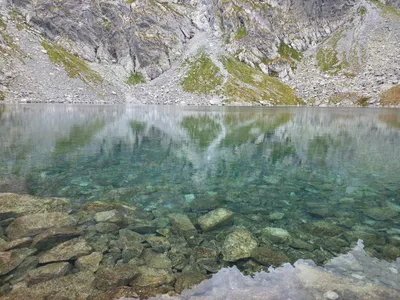 Distance: 24.7 kmDuration: 7 h 38 min
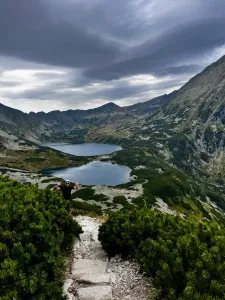 Distance: 16.5 kmDuration: 5 h 45 min
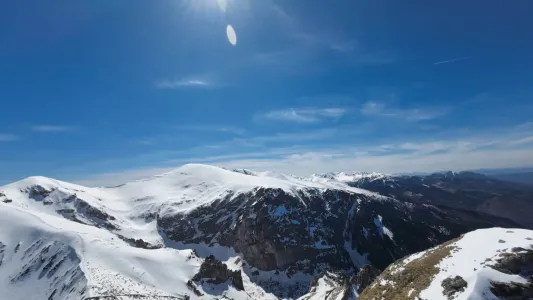 Distance: 6 kmDuration: 3 h 15 min
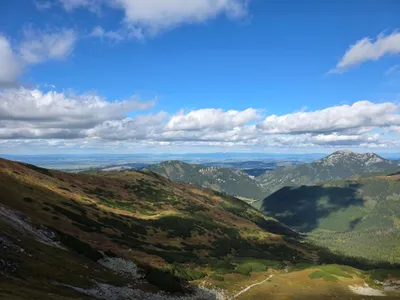 Distance: 18.1 kmDuration: 6 h 50 min