You know the mountains. You have trampled dozens of trails, there is a pair of trekking boots worth a small fortune in your wardrobe, and you treat a 1,000-metre ascent like a light morning warm-up. Then suddenly someone appears in your team: the complete beginner. A friend, a sibling, or your other half who wants to see what your obsession with the mountains is all about.
You want to show them the very best. Mistake. Your “best” is usually their “worst”. Taking a beginner to Rysy or Zawrat on day one is the fastest route to tears, arguments, a breakup, and a lifelong hatred of the Tatras.
So how do you introduce someone to the mountains in a way that gets them hooked? Here is your beginner-handling manual.
1. Reset your ambitions
This is not a trip for you. It is a trip for them. Your mission is not to set a speed record, but to help the beginner feel the magic of the mountains.
Choose wisely: Skip the cliffs and the chains. Fear of heights can paralyse people who have never dealt with it before. Go for scenic, wide and safe trails.
Our safe bets: Instead of Giewont, head for Kopa Kondracka. Instead of Kościelec, choose Grześ and Rakoń. The climb will tire them out enough, and the summit view will make the effort worth it.
2. Audit their wardrobe
Do not let them pack on their own. A beginner will bring a thick cotton hoodie, which after an hour becomes a freezing wet compress, and a pair of flat-soled city trainers. Take control and tell them plainly what they need to buy or borrow:
Thermal shirts: Make them buy at least one synthetic or merino top. It may save them from getting chilled.
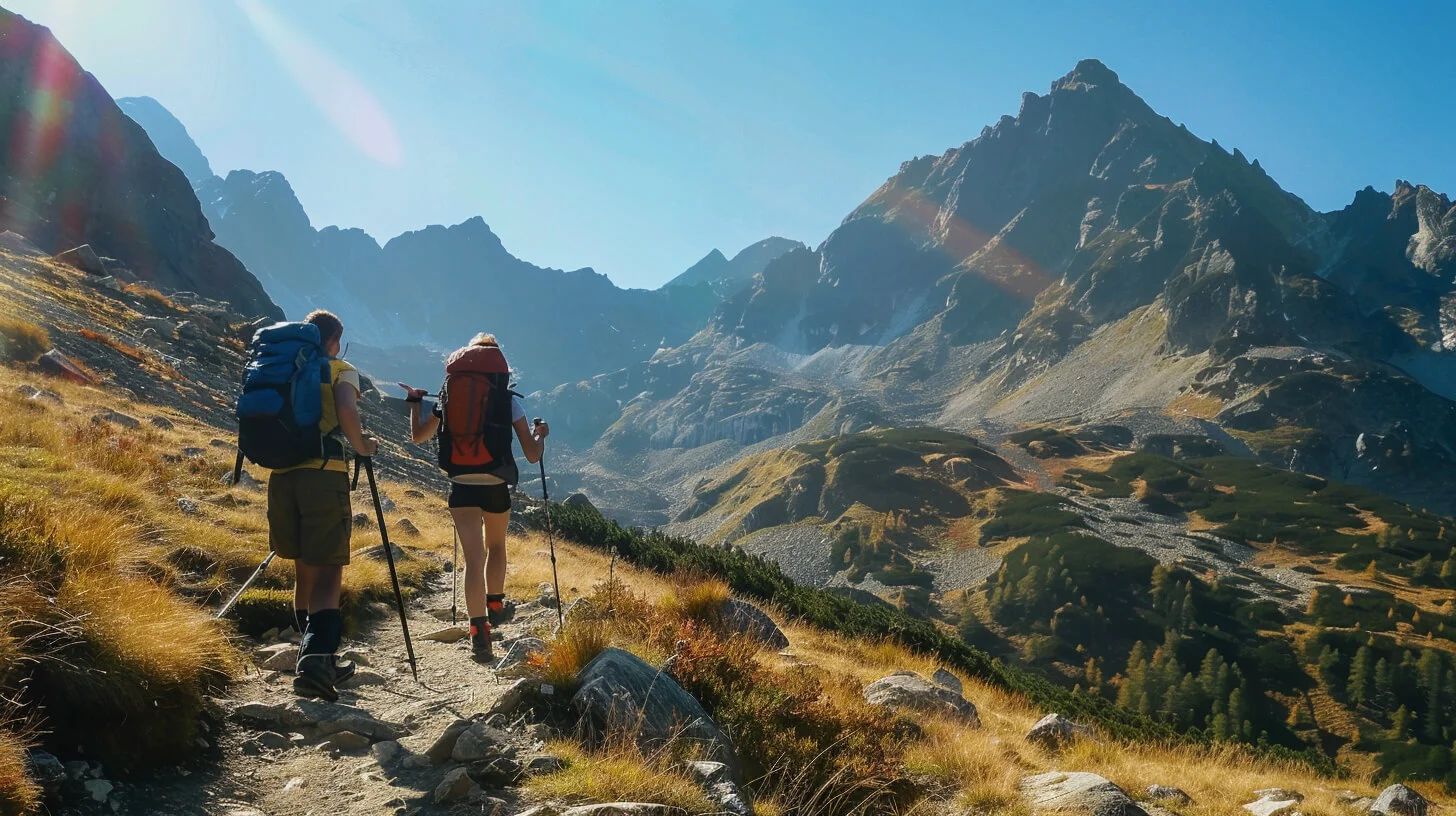
Trekking poles: For you they may be a gadget, for them they are salvation. The knees of someone who normally sits behind a desk are not ready for three hours of descending over rocks. Give them poles and they will thank you for the rest of the trip.
Shoes: If they do not want to spend a fortune on high-cut mountain boots straight away, at least make sure they bring stable sports shoes with a thick, aggressive tread, such as trail running shoes.
3. Protect their morale
When you hike alone, you eat a snack on the move and keep going. A beginner does not work like that. When you notice the rookie going quiet, staring at the ground and breathing hard, call for a break. Do not ask, “Do you want to rest?” because pride will not let them admit it. Just say, “Let us stop here for a minute, I need a drink.” Keep a secret weapon in your backpack. Good chocolate, jelly sweets or warm tea can revive a person who a minute earlier was ready to call mountain rescue.
4. Do not lie about time and distance
“Just 15 minutes more”, “It is basically flat now”, “The summit is just around that bend” - sound familiar? Mountain people love lying to beginners because they think it will motivate them. In reality, nothing wrecks morale faster than reaching that “last bend” and seeing another 500 metres of steep mountain ahead.
Be honest: “Listen, the worst 40 minutes are still ahead of us. It will be steep and slow, but there is a mountain hut beyond that rise.” Knowing what the real effort looks like helps people pace themselves.
Taking a beginner into the mountains is a huge responsibility, but it is also great fun. Seeing that spark in your friend’s eyes when they stand at 2,000 metres for the first time… that is the moment that makes slowing down worth it.

 2026-10-04
 2026-09-22
 2026-09-18
 2026-10-03
 2026-10-02
 2026-10-01
 2026-09-30
 2026-09-28
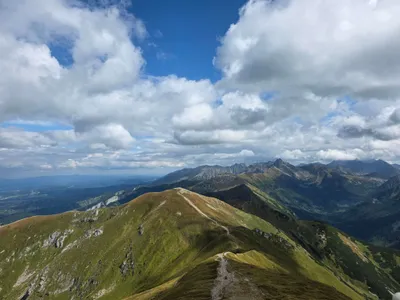 Distance: 18.5 kmDuration: 8 h 09 min
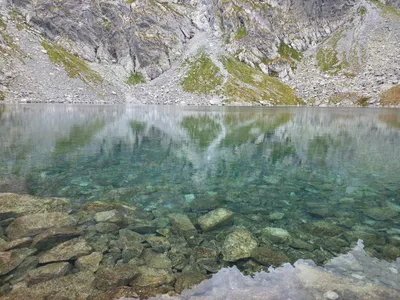 Distance: 24.7 kmDuration: 7 h 38 min
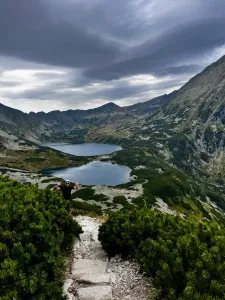 Distance: 16.5 kmDuration: 5 h 45 min
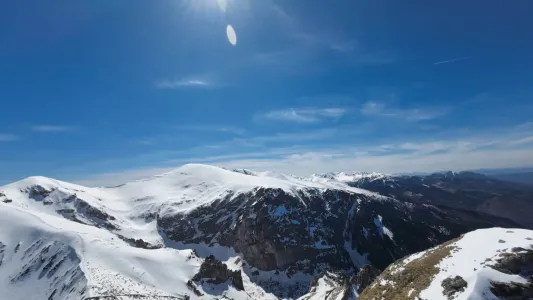 Distance: 6 kmDuration: 3 h 15 min
 Distance: 18.1 kmDuration: 6 h 50 min