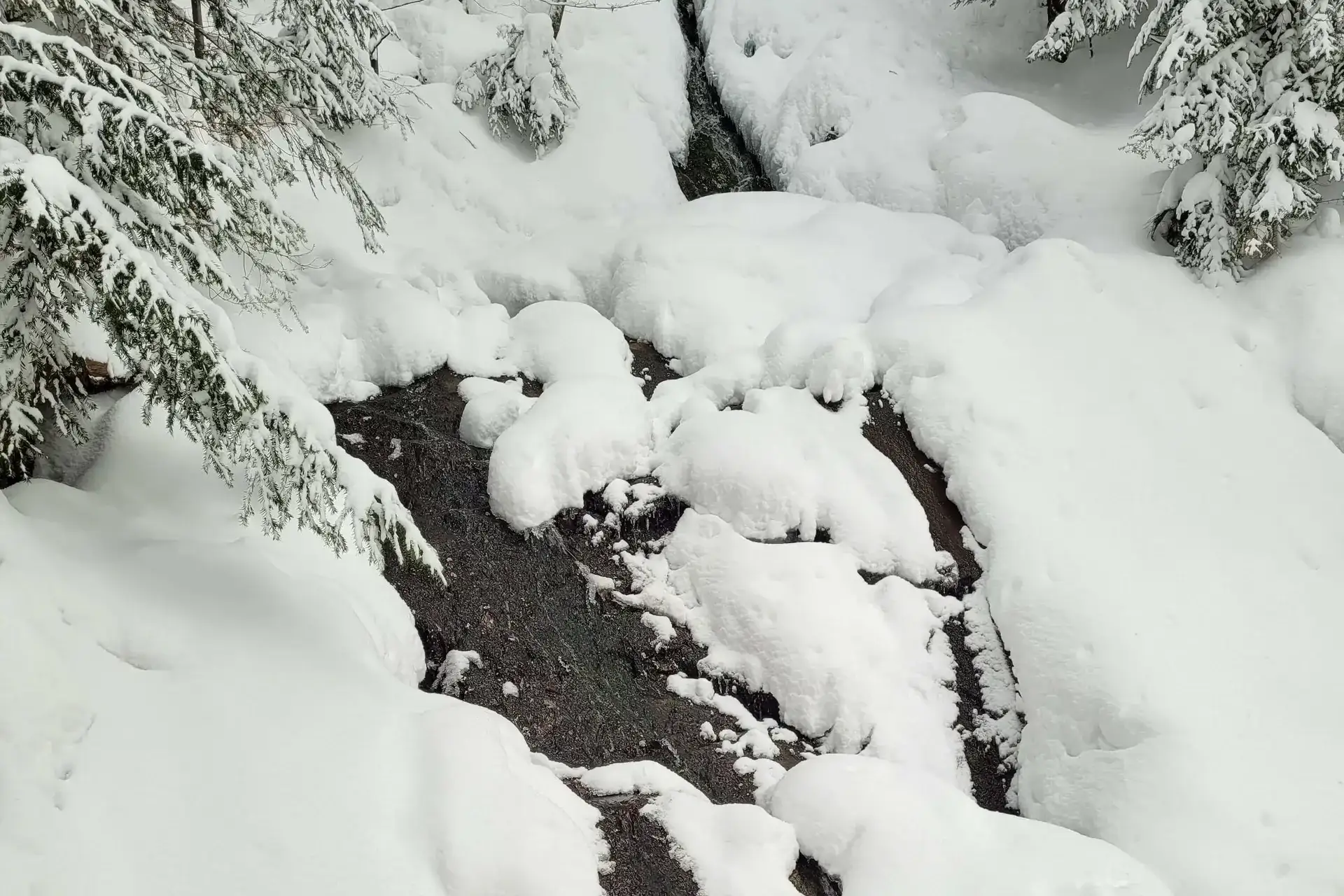
winter
Białego Valley in winter – a short walk above Zakopane where it all started
Białego Valley in winter: about 2 h of walking straight from Zakopane, Biały Stream under snow, icy footbridges, microspikes and how to handle the short day.
Sarnia Skała in winter: the Strążyska – Sarnia – Białego loop in about 3 h, where it gets icy, whether to take microspikes and how to beat the dark. December photos.
Author: Konrad Leśniak6 min read
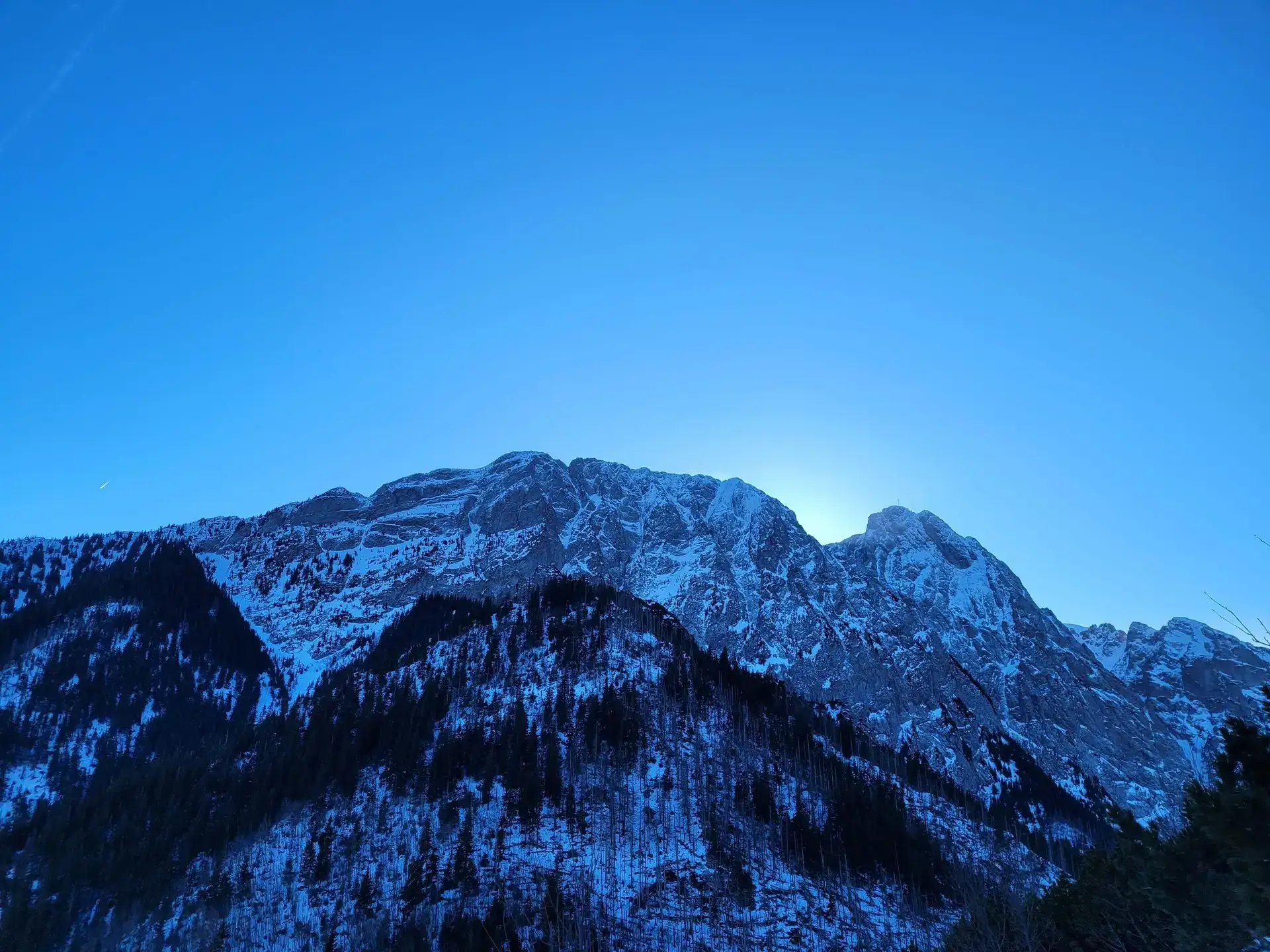
In December 2023 we climbed Sarnia Skała on a day of light frost and clear skies. There was snow on Polana Strążyska and in the forest, and from the top Giewont felt close enough to touch. For me it’s the best view-to-effort ratio right above Zakopane: under 3 hours of walking, no chains, and a panorama like from a real summit.
In winter, though, you need to keep two things in mind: ice on the stone steps, and how quickly it gets dark.
💡 In a nutshell – Sarnia Skała in winter:
- Loop: Strążyska Valley – Polana Strążyska – Czerwona Pass – Sarnia Skała (1377 m) – Białego Valley. About 6.7 km, about 480 m of ascent, about 3 h of walking without breaks.
- Difficulty: no chains, but the black trail is steep forest steps and the summit is polished limestone with a drop on one side.
- Microspikes: always in your backpack. Most useful on the black trail and on the way down into Białego Valley.
- Time: in winter it gets dark around 15:30. Start by 11 at the latest – better in the morning.
- No pushchair and no dog above Polana Strążyska.
The nicest option is a loop: up Strążyska Valley, down Białego Valley. You don’t retrace your steps, and the two valley mouths are linked by the flat Droga pod Reglami (about 15–20 min walk back to the car).
Full description with map, variants and GPX: Sarnia Skała from Strążyska Valley.
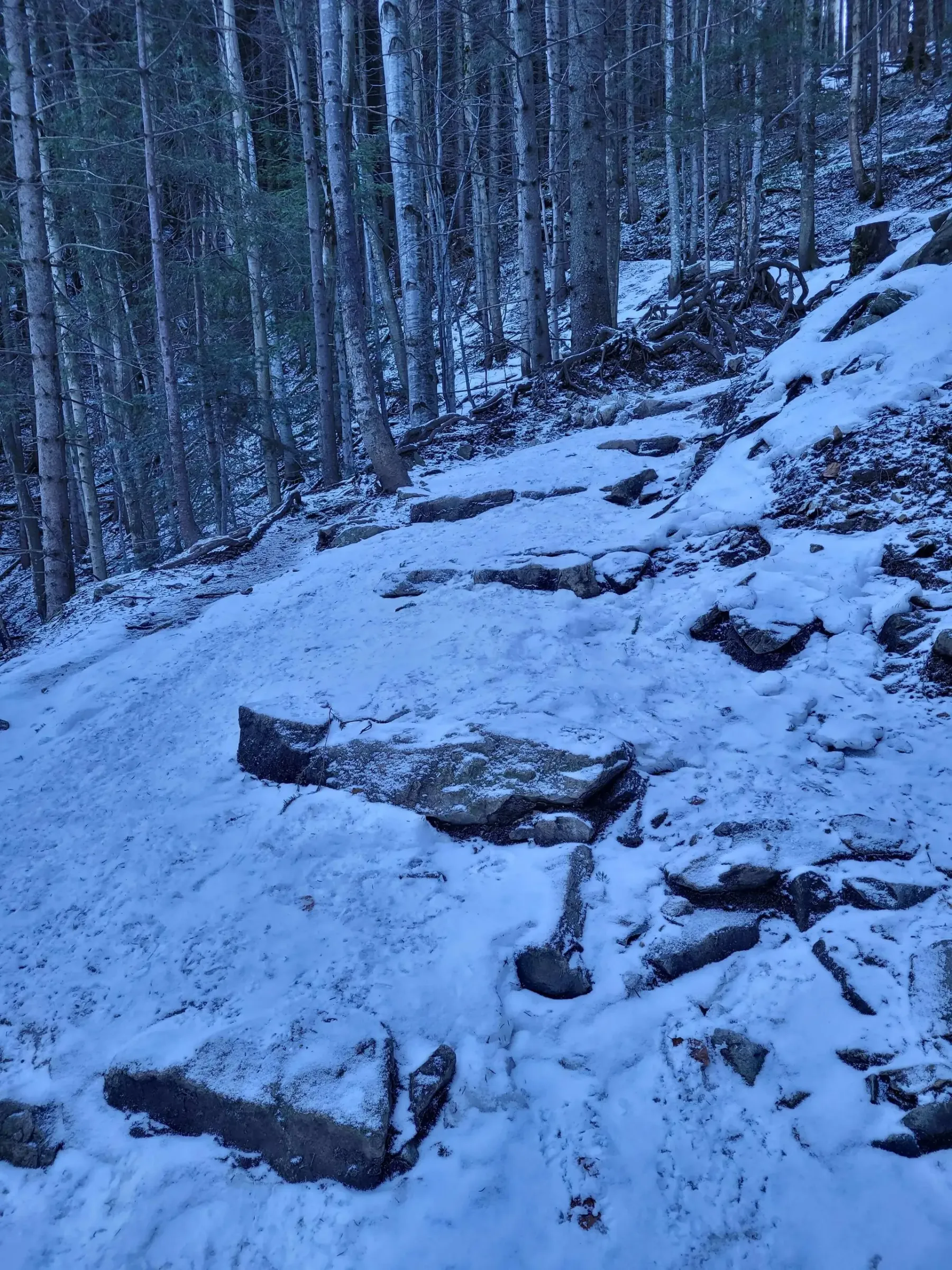
In summer this route is easy. In winter it becomes a test of your boots and your care, because snow on the stone steps quickly turns to ice. You can see it well in our December photos: packed, frosted stones that are easy to slip on.
Three places to watch:
That’s why I consider microspikes essential here – light, on in a minute, and a huge difference on icy steps. You don’t need crampons or an ice axe. The difference between them: crampons or microspikes – winter gear for the Tatras.
If you see at Czerwona Pass that the summit rocks are iced over and you don’t have microspikes – skip the last 10 minutes. The pass has views too, and Sarnia Skała isn’t going anywhere.
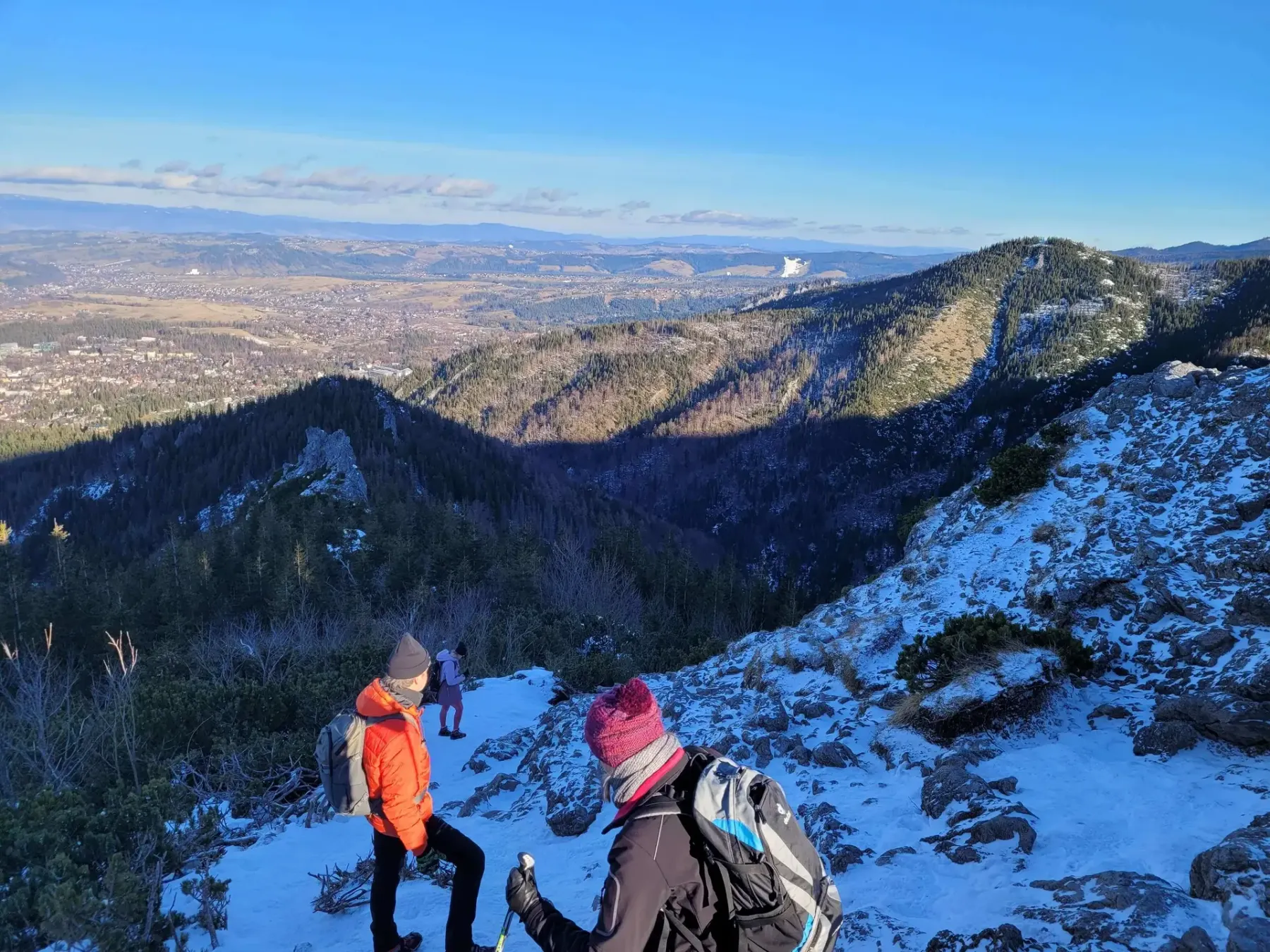
From the top you see two worlds at once. To the south stands the huge north face of Giewont – so close that in good visibility you can see people at the cross. To the north, all of Zakopane and Podhale, and on a clear day a wide panorama to the horizon.
In winter the sun is low and shines from behind Giewont, so its face is in shadow and photos are backlit. In return, the view of the snowy Western Tatras and of Zakopane in the sun is beautiful.
The loop is about 3 h of walking, but with breaks, photos and careful steps on ice, plan for about 4 hours. In December it gets dark around 15:30, and in the gorge of Białego Valley even earlier.
Until 30 November, walking on trails in Tatra National Park (TPN) is banned from dusk to dawn, and from 1 December between 22:00 and 5:00. In practice: start in the morning, no later than about 11, and carry a headlamp.
Check the TPN trail bulletin before you go. On 4 November 2026 there were no closures on this route, but higher up in the Tatras there was already snow and ice, and lower down mud and frozen snow.
You start at the mouth of Strążyska Valley, at the end of Strążyska Street in Zakopane. The car parks there are small and paid, and on sunny weekends and holidays they fill up in the morning. From Krupówki it’s a 20–25 min walk, which is the simplest option if you’re staying in the centre.
More on parking and minibuses: parking, buses and getting to the trails in the Tatras. You can buy the TPN ticket in advance: how to buy a TPN ticket online.
For people who want to stand on a “real” summit with a panorama in winter, without the experience or gear for high-mountain terrain. For families with children who walk on their own and aren’t put off by steep steps (smaller ones in a carrier). When it’s icy, keep children close on the summit.
It’s not a route for a pushchair (it will get to Polana Strążyska at most) or for a dog (TPN ban). And one important thing: just because Giewont looks close from here doesn’t mean you can pop up it in winter “on the way”. Giewont in winter is terrain for experienced hikers with crampons and an ice axe.
If you’re looking for something even easier, see Kościeliska Valley in winter or other short trails for half a day.
The Strążyska – Sarnia Skała – Białego loop is about 6.7 km and about 3 h of walking without breaks. In winter, with breaks and careful descending, allow 3.5–4 h.
Yes, it’s worth having them. The black trail is steep stone steps that are often icy in winter, and the summit is slippery limestone. Crampons and an ice axe are not needed.
No. There are no chains or clamps on the loop through Strążyska Valley and Białego Valley.
With children who walk well on their own – yes, in good conditions. The summit is small with a drop, so keep them close. If it’s very icy, it’s better to stay at Czerwona Pass.
In winter I recommend up Strążyska (gentler start) and down Białego Valley. If the Białego gorge is badly iced, you can return the same way via Polana Strążyska.
Photos from our December hike: gallery – Sarnia Skała.
What about you – have you been up Sarnia Skała in winter, or is it still on your list?
Newsletter
A few times a year: trail conditions, closures, the best time to go and new routes. No weekly spam.
Białego Valley in winter: about 2 h of walking straight from Zakopane, Biały Stream under snow, icy footbridges, microspikes and how to handle the short day.
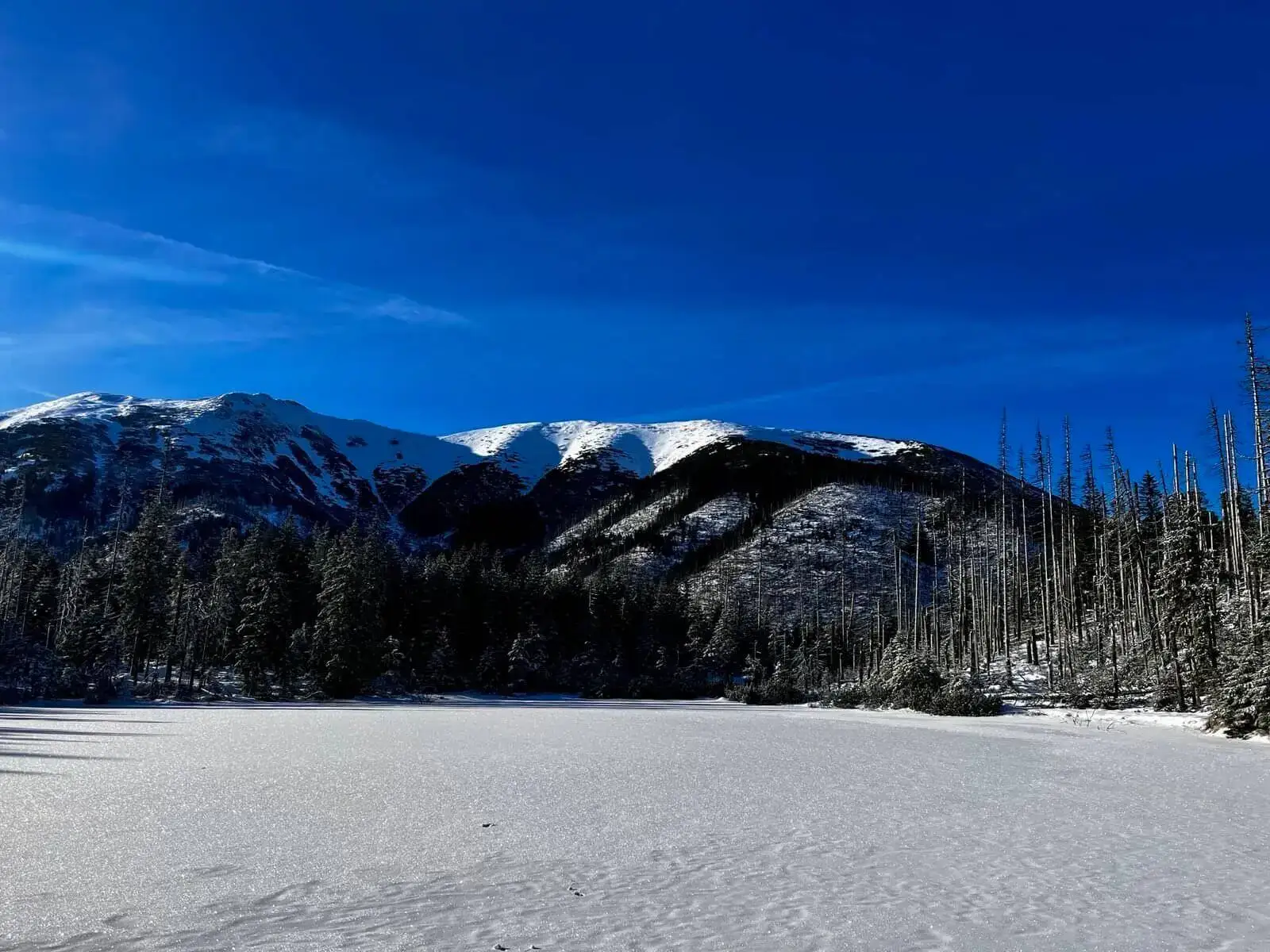
Kościeliska Valley in winter: how long from Kiry to Hala Ornak and Smreczyński Pond, whether to take microspikes, what is closed and how to avoid the sleighs.
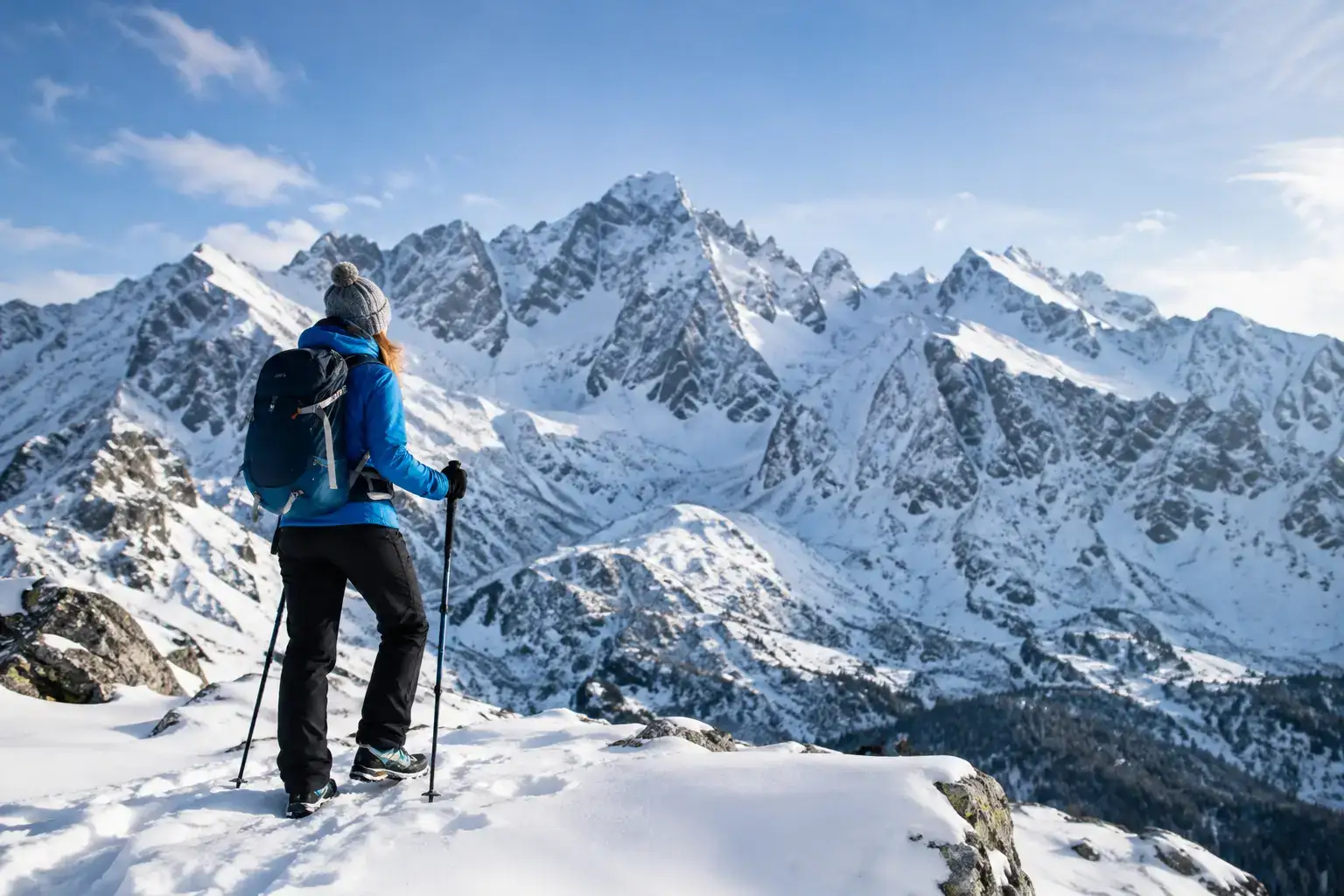
The Tatras in winter without crampons? See which valleys and trails make sense, when to leave it, and how to judge the snow, the ice, the weather and your own boots.
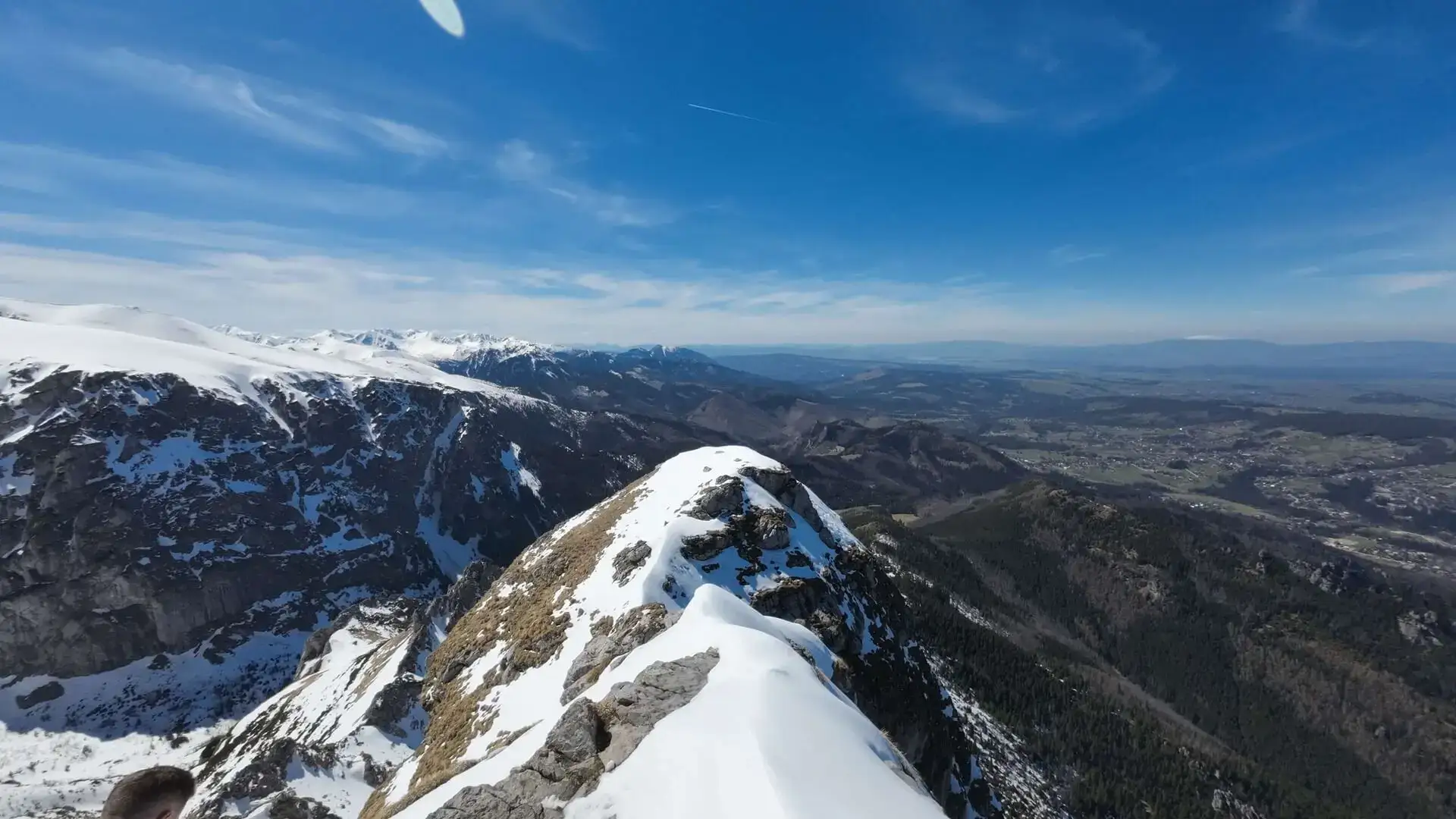
Start: Dolina Strążyska · via Polana Strążyska and Przełęcz w Grzybowcu
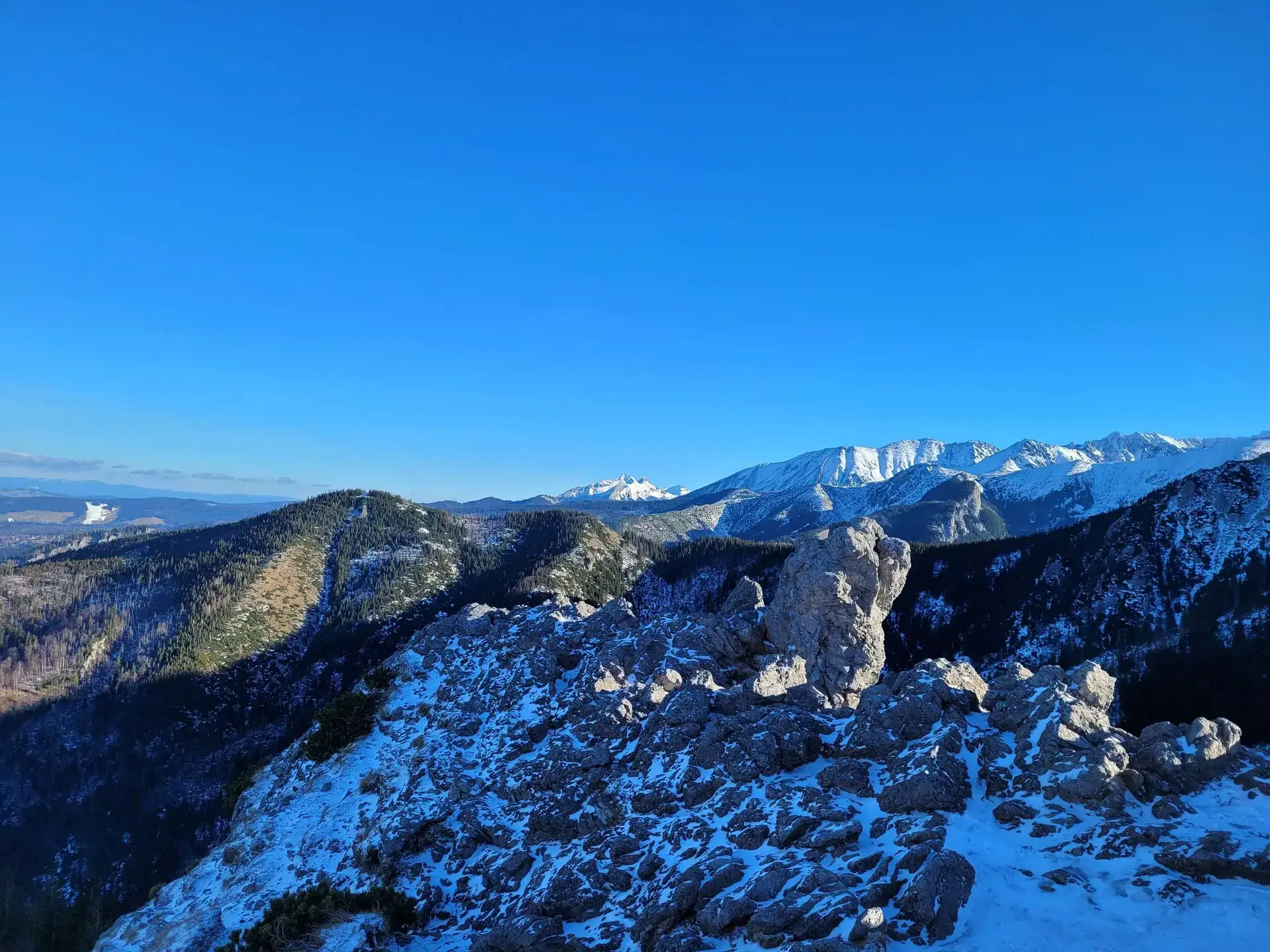
Start: Zakopane (Dolina Strążyska) · via Siklawica Waterfall and View of the Giewont wall
Start: Siwa Polana (Chochołów Valley) · via Panorama of the Slovak Roháče and The mountain hut at Chochołów Glade
These are affiliate links. If you book a stay or a ticket through them, we earn a small commission, for coffee :), at no extra cost to you.