winter
How to read the avalanche bulletin in the Tatras
How to read the avalanche bulletin in the Tatras: what the danger level means, what the text, the aspect and the height add, and why the number is not enough on the ground.
The Tatras in winter without crampons? See which valleys and trails make sense, when to leave it, and how to judge the snow, the ice, the weather and your own boots.
Author: Konrad Leśniak7 min read
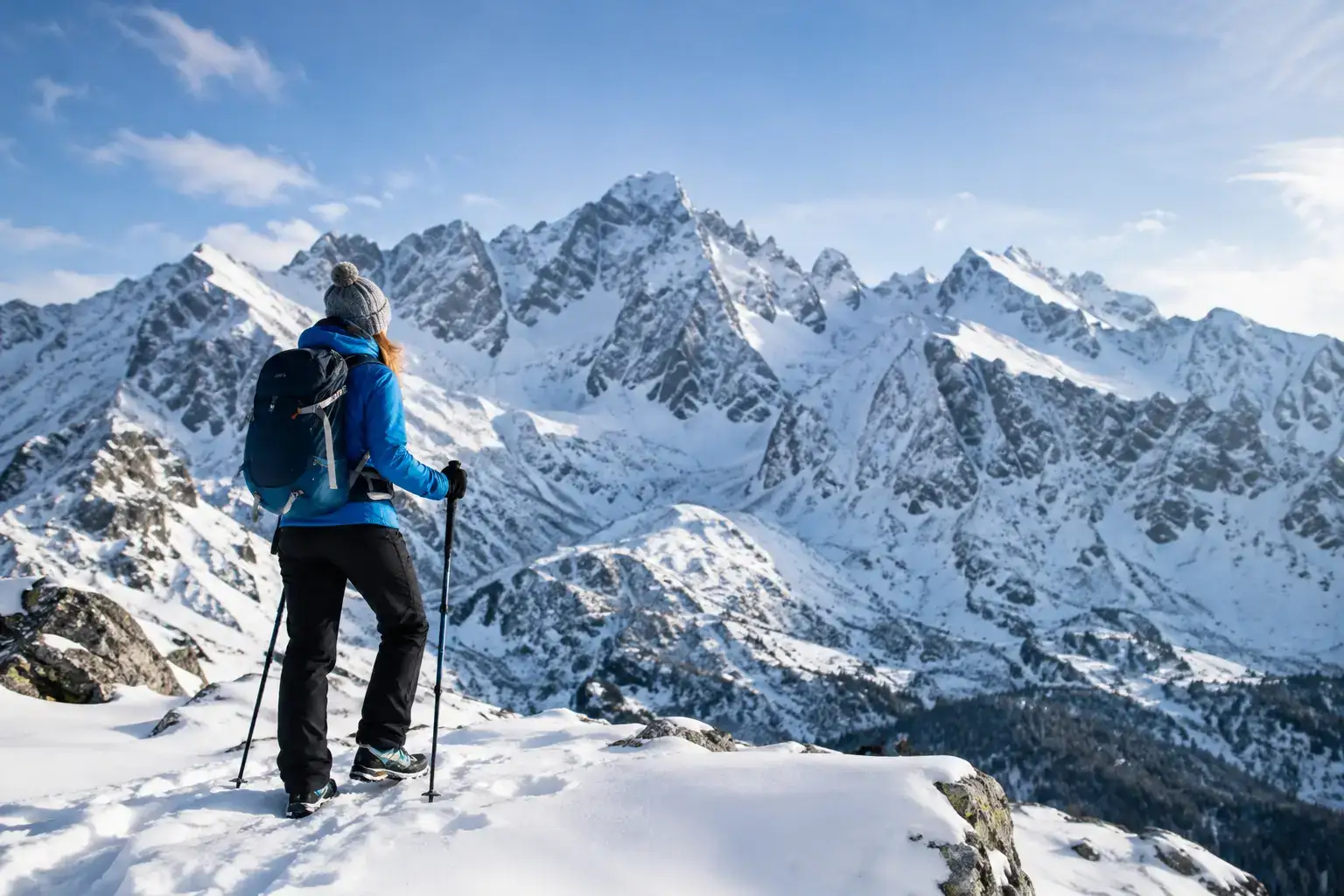
At seven in the morning the pavement in Zakopane can be dry, and two hours later the path in a valley has turned into an ice rink. That is why the question “the Tatras in winter without crampons” has no single answer. You can have a beautiful, safe walk without technical kit, and you can also walk into a situation where ordinary hiking boots are simply too weak. Winter does not ask whether the plan was a family one, a romantic one, or “only for a moment”.
The most honest answer is this: yes, in winter you can walk in the Tatras without crampons, but you cannot plan sensibly without checking the conditions. And it is very often worth having microspikes in the pack, if only so you do not have to sidestep down a frozen trail like a penguin after an argument.
Crampons are kit for more serious, steep and hard conditions, usually used with boots that are stiff enough. They are not an add-on for town snow boots, and they are not a magic talisman for every route. On popular valley trails, microspikes are more often what you need: light overlays with spikes that improve grip on packed snow and ice.
The trouble is that “without crampons” means a walk to a mountain hut on a wide road for one person, and a climb onto an open ridge for another, because the route looked short in an app. Those are two different worlds. If you have no experience of winter walking, stick to valleys, wide roads, meadows, and goals you can turn back from quickly. Leave the summits for a day with the right kit, the right conditions, and the right skills.
Do not go by the calendar alone. December can be autumn with mud, March can hold hard snow, and after one night of a thaw and a frost a gentle path becomes a sheet of ice. A photo from three days ago is not a forecast either. It is a photo from three days ago.
The safest category is the long, popular valleys. Dolina Kościeliska and Dolina Chochołowska let you spend several hours in the mountains without entering high-mountain ground. They are wide, easy to read, and you can turn back at almost any moment. That does not mean they will always be easy. On packed snow, especially in the morning, microspikes can still save you from a series of uncontrolled slips.
The road to Morskie Oko is another obvious choice, especially for people who want to see the Tatras in winter without exposure and without steep climbs. Remember, though, that it is an asphalt road, and asphalt under ice can be more treacherous than a forest path. At weekends you also get the human snake: a lot of people, slippery verges, and a pace set by the crowd. It is worth leaving early, and not assuming that because children are walking there, the ground underfoot will be safe.
For a shorter outing, the lower valleys and the forest routes around Zakopane also make sense, as long as the trail is open and the conditions are not icy. That is a good option for the day after a snowfall, when the cloud base is low, or when the group has mixed fitness. In winter you really do not have to gain height to feel the mountains.
If you are planning a trip on the Slovak side, check the seasonal trail closures. In the Slovak Tatras many high-mountain routes are closed in winter by the regulations, however beautiful the weather looks. Do not treat a closed path as a suggestion to negotiate.
Climbs to high passes, open ridges, gullies, and goals with chains are not a plan for a winter day without crampons and without experience. That includes popular places that in summer pass for ambitious but ordinary trekking. Snow covers the waymarks, ice turns steps into a slide, and the wind can wipe out a track in a quarter of an hour.
Treat anything above the treeline with particular care. There the problem is not only the slipperiness. You also get wind, frost, limited visibility, and avalanche danger. If the avalanche bulletin, the forecast, or your own observations raise a doubt, choosing a valley is not a failure. It is a normal decision by someone who wants to walk back to dinner on their own legs.
On easy winter routes, microspikes are often a more sensible choice than crampons. They weigh little, they go on quickly, and they work when the snow has been packed by hundreds of boots and the night frost has done its work. They will not replace walking technique or common sense, but they clearly widen the margin of safety.
When you buy microspikes, do not look for the cheapest gadget for walking around town. You need a model that holds firmly on the sole of a hiking boot and has metal spikes, not a few decorative nubs. Try them on at home before you leave. In the mountains, at minus five and in a strong wind, learning how a rubber harness works can produce vocabulary that does not belong in a winter landscape.
Boots should be waterproof, with a good sole, and with room for a thicker sock, without crushing the toes. Poles will help too, along with warm gloves, a hat, a flask, and a spare insulating layer. A valley can feel calm, but a stop by a mountain hut and the return after dusk chill you quickly. A cotton fleece that soaks up sweat is not a technical layer. It is a wet problem.
Before you leave, check the forecast for the specific height, the avalanche bulletin, the status of the trails, and fresh information about the conditions. Then look out of the window, but do not stop there. A dry car park says nothing about the ice two kilometres further on, in a shaded wood.
At the start, judge the surface. If the path is hard, shiny, and slippery already at the entrance, put the microspikes on at once. Do not wait for the first fall to “confirm the need”. When the track disappears, the snow sinks to your knees, or the wind badly limits what you can see, turn back. Turning back in a valley costs a few kilometres at most, and some wounded ambition. Pushing on can cost a great deal more.
It is worth agreeing a simple rule with the group: the weakest person, or the least confident one, sets the pace and the length of the route. This is not about turning every outing into a nursery trip. It is about the fact that in winter one person fighting the ice can slow the whole group so much that the return happens in the dark.
Crampons become the subject when you are planning steep ground, hard snow, ice, longer climbs above the forest, or a route where a slip has serious consequences. Owning crampons does not give you automatic permission to go. You have to know how to use them, have compatible boots, know the route, and understand the avalanche danger.
If those pieces are missing, do not improvise with makeshift overlays, sports shoes, or “borrowed crampons, they probably fit”. Choose a valley, a walk around Zakopane, the thermal baths, or a museum, and keep the more ambitious goal for a better moment. The Tatras will not disappear. A stupid accident, on the other hand, can spoil more than a holiday.
The best winter plan without crampons always has a variant B: a shorter valley, a mountain hut as the goal instead of a summit, and a turnaround time set before you start. If the conditions allow it, you will come back with a fine route and dry socks. If they do not, you will still come back with a good mountain day, because in winter sense does not take the adventure away. It lets you live it again.
Newsletter
A few times a year: trail conditions, closures, the best time to go and new routes. No weekly spam.
How to read the avalanche bulletin in the Tatras: what the danger level means, what the text, the aspect and the height add, and why the number is not enough on the ground.
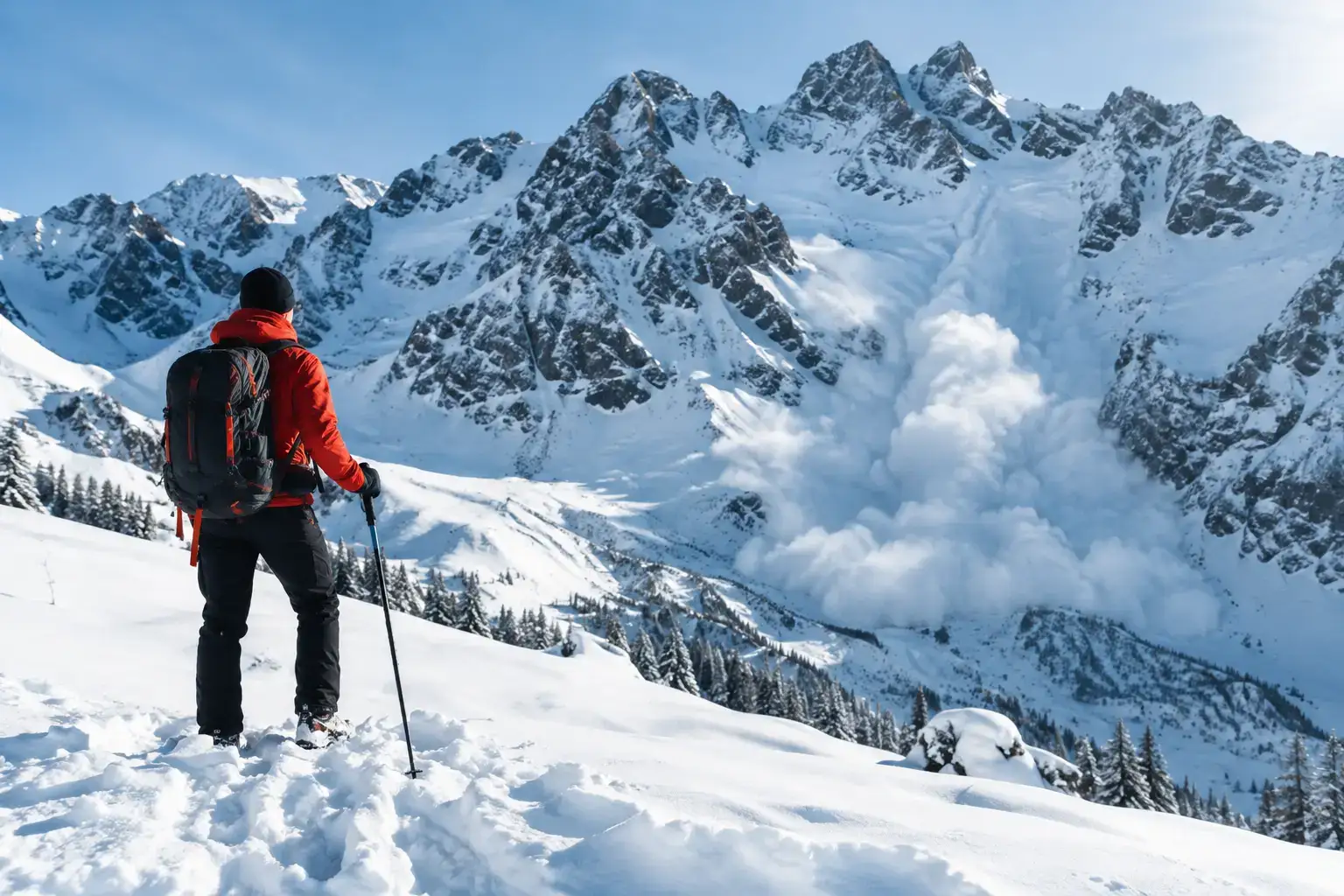
Avalanches in the Tatras do not forgive a rush. Check the bulletin, the weather, the ground and the decisions that help you get back safely from a ski tour or a hike.
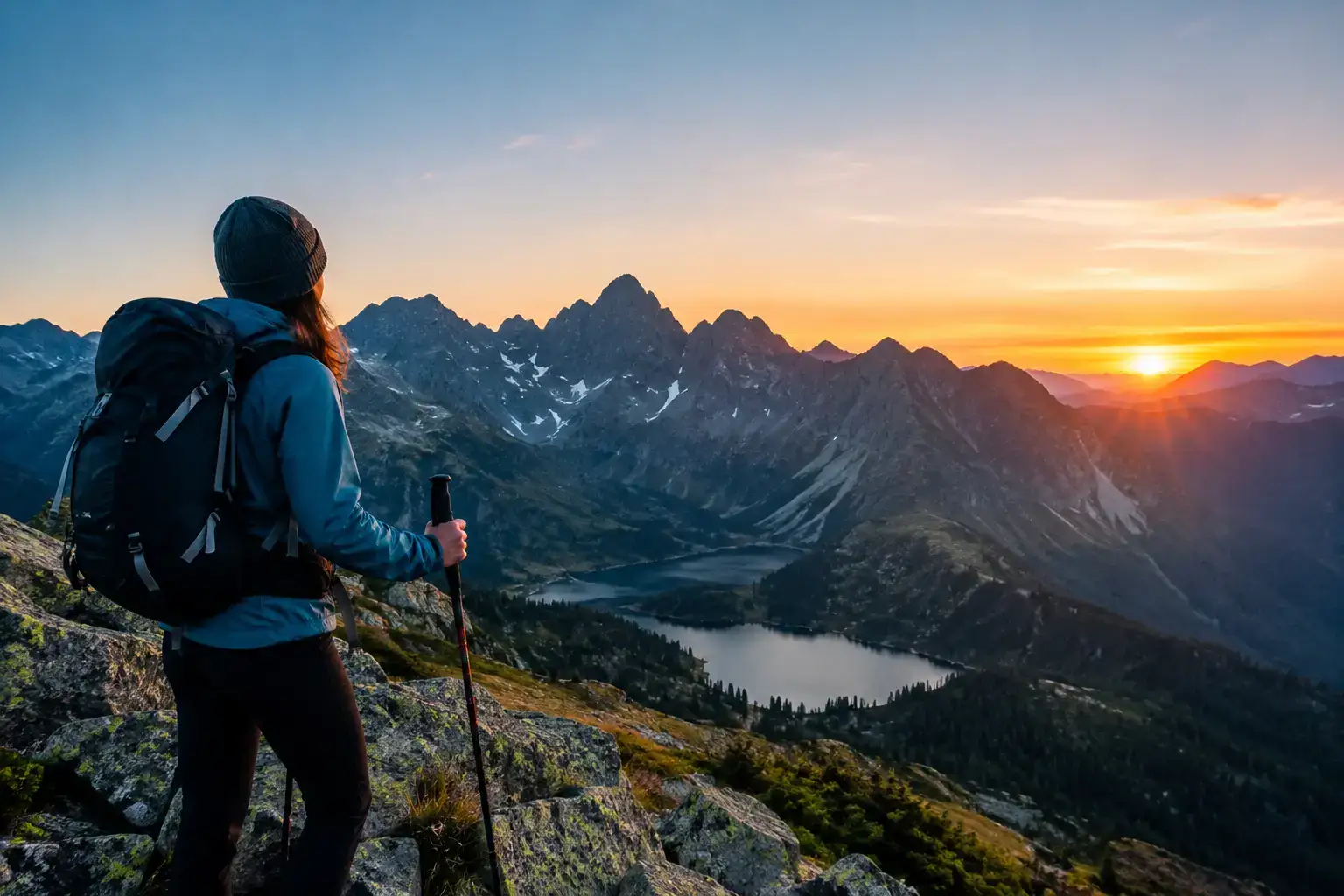
How to plan a pre-dawn start in the Tatras: the wake-up, the car park, the forecast, the kit and a plan B, so an ambitious route starts without chaos or needless risk.
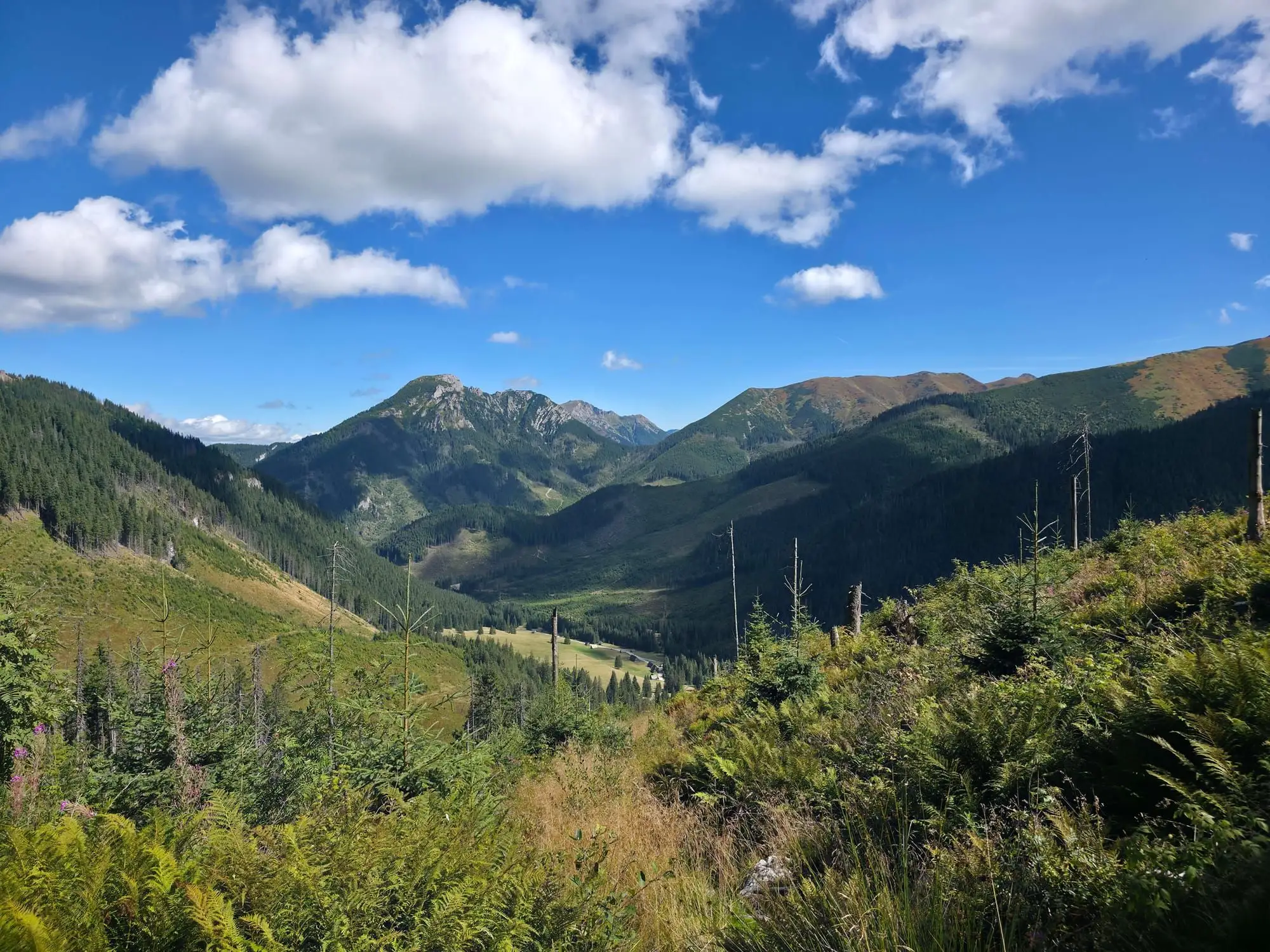
Start: Siwa Polana (Chochołów Valley) · via Panorama of the Slovak Roháče and The mountain hut at Chochołów Glade
Start: Kuźnice · via Murowaniec mountain hut and Czarny Staw Gąsienicowy
Start: Siwa Polana (Chochołów Valley) · via Panorama of Jakubina and Cliffs above Jamnicka Valley
These are affiliate links. If you book a stay or a ticket through them, we earn a small commission, for coffee :), at no extra cost to you.