You are sitting on the balcony of your accommodation in Zakopane early in the morning. The sun is out, the thermometer shows 20 degrees, so you pull on a cotton T-shirt, shorts, throw some water into your backpack, and head for Kasprowy Wierch.
💡 In a nutshell – Mountain clothing in a nutshell:
- Base: Never cotton! Only thermal shirts (they wick away sweat) or merino wool.
- Insulation: A light fleece, softshell, or down sweater (keeps you warm during breaks).
- Protection: A membrane jacket (waterproof and windproof) is an absolute must in your backpack, even under a cloudless sky.
- Bottom: Quick-drying trekking pants and good boots with a grippy sole (e.g., Vibram). Forget about jeans!
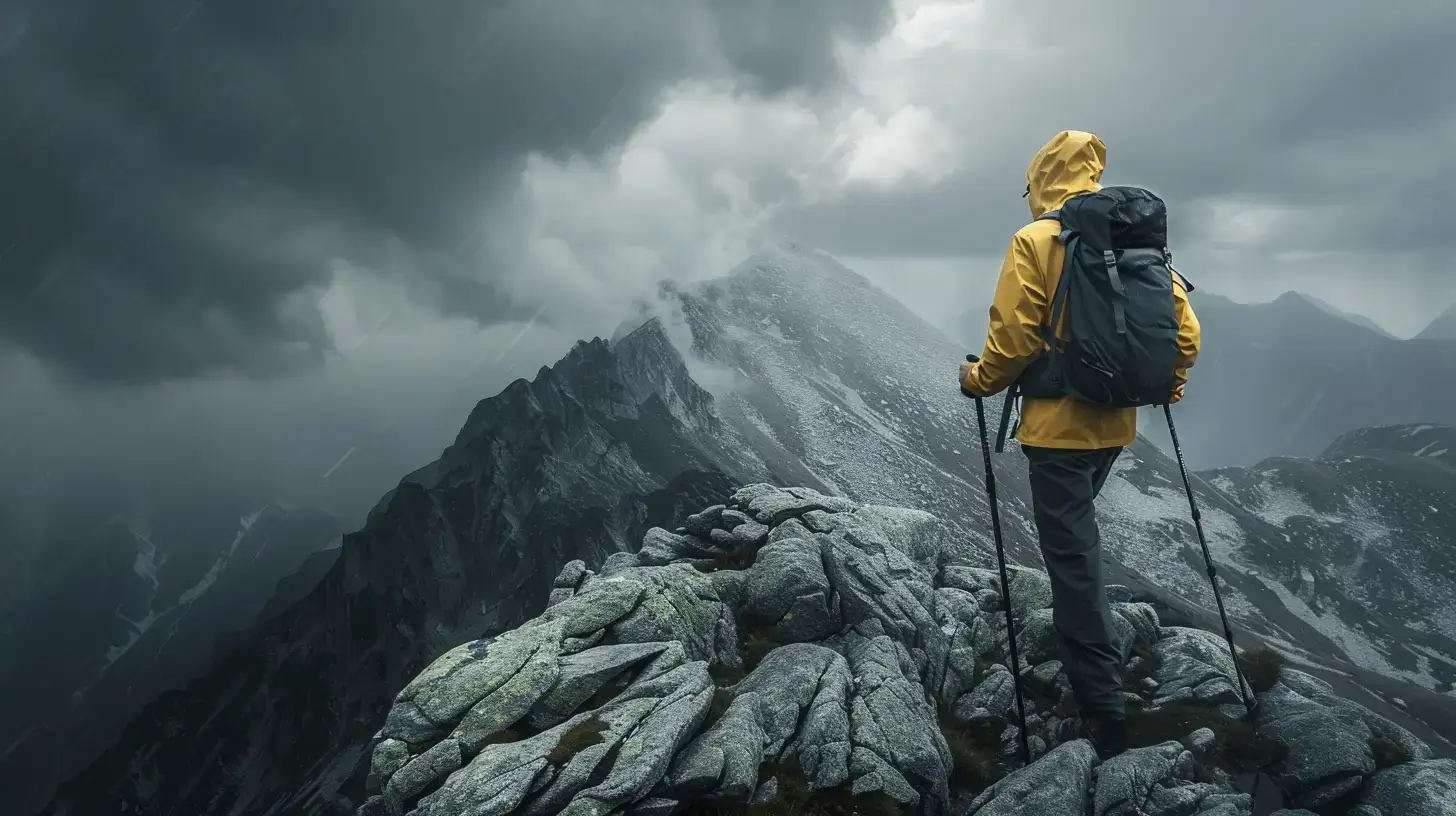
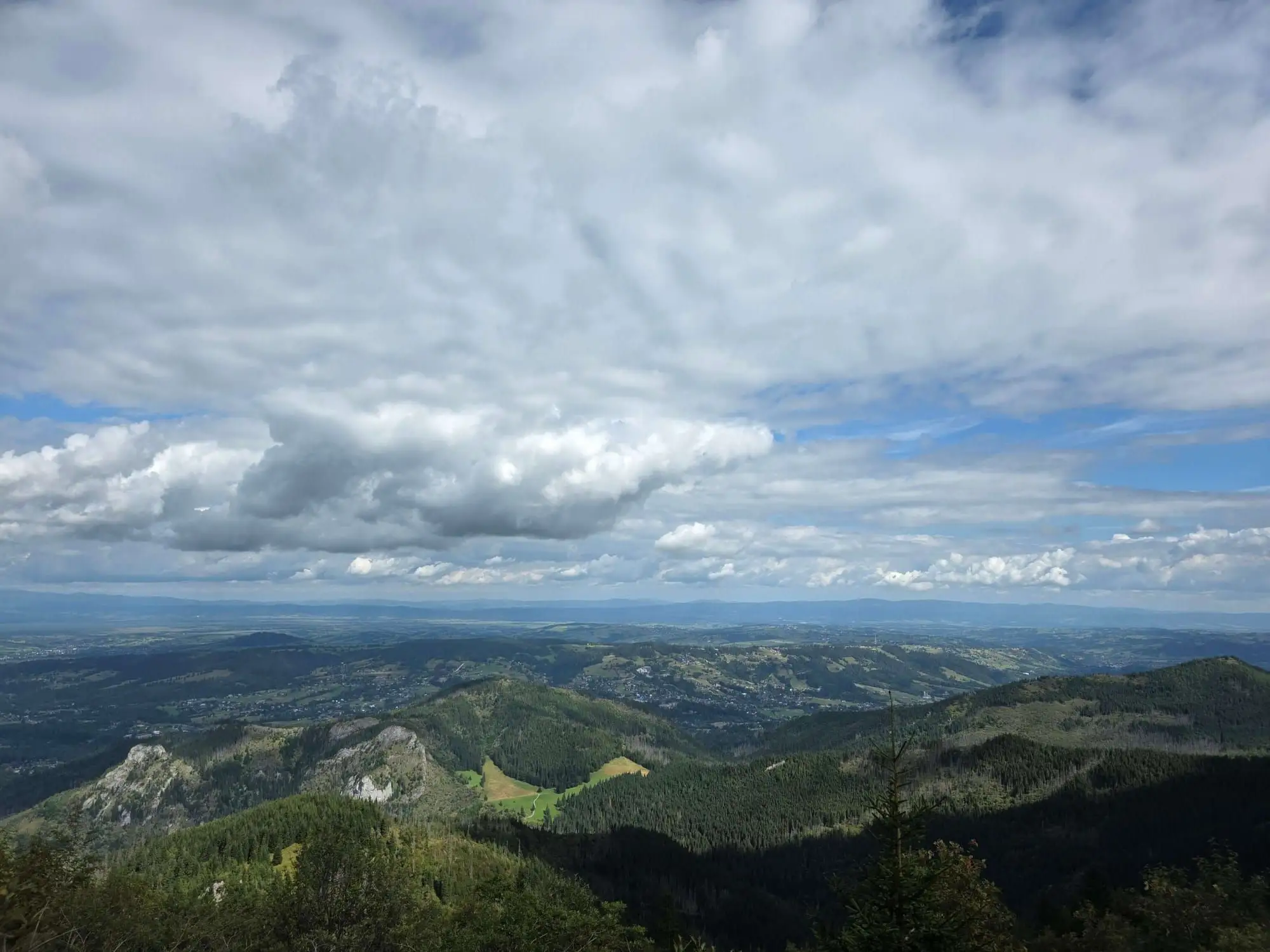
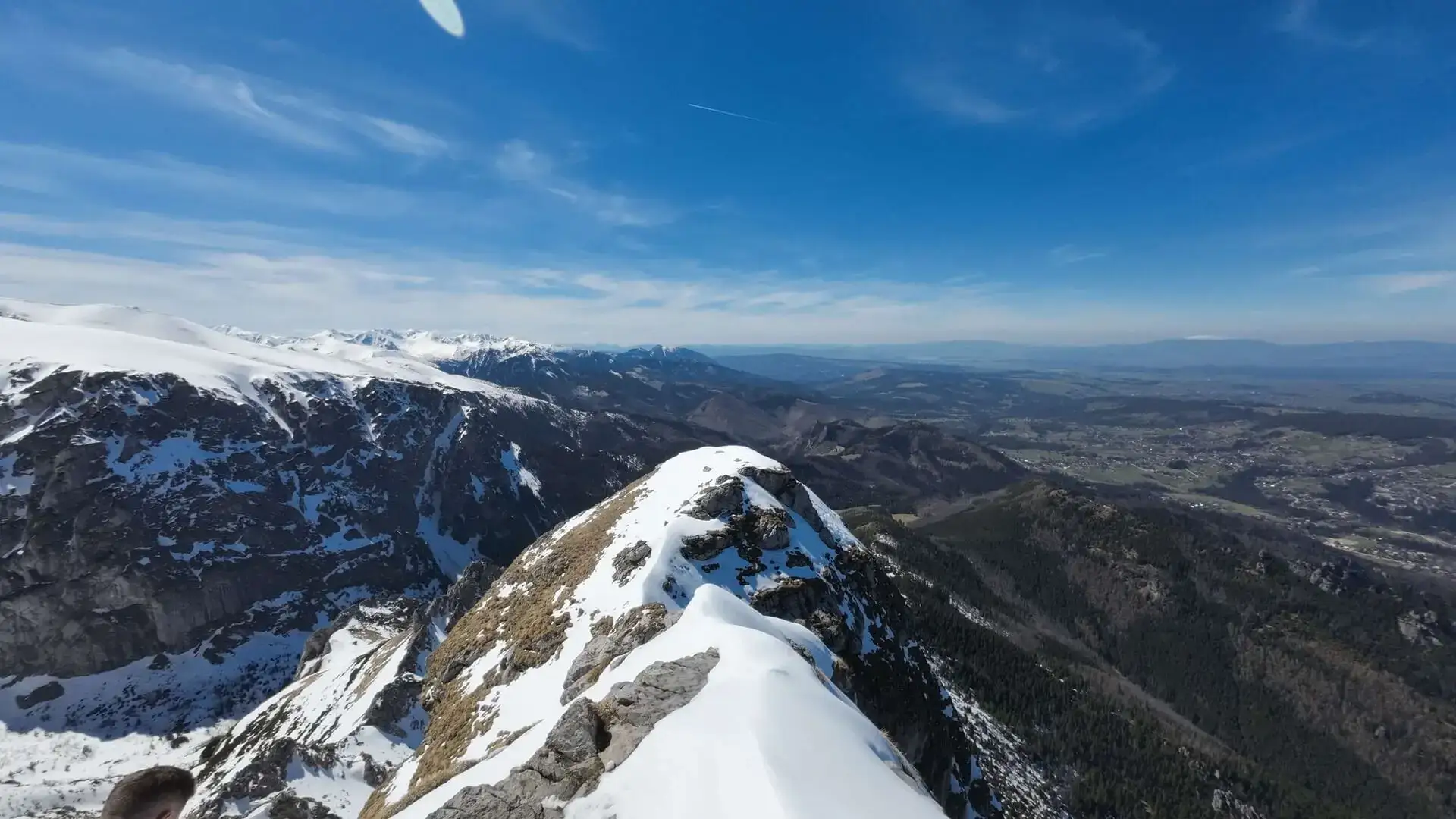
Two hours later you are above the tree line on Hala Gąsienicowa. A wind picks up, the temperature drops by 10 degrees, and you are soaked with sweat. The wind hits your back and in a second you are freezing. Your teeth start chattering and all you can think about is getting back down.
Sound familiar? Mountain weather is merciless. That is why every experienced hiker dresses in layers. Here is how to put together a mountain wardrobe that will keep you ready for anything.
1. Base layer: Thermal shirts are your foundation
The biggest mistake is wearing cotton. Cotton soaks up sweat like a sponge and keeps it next to your skin. In the wind, it turns into a cold, wet compress.
- What should you choose? Your first layer should be thermal shirts. They have one job: move sweat away from your skin and push it outward.
- Tip: If you are planning trips in colder months, consider merino wool underwear. Merino wool keeps you warm even when it is wet and, which matters on longer trips, it barely absorbs unpleasant smells at all.
2. Insulation: Warmth in your backpack
You are on a mountain pass, taking a sandwich break. Your body stops producing heat and you immediately start to get cold. You need a layer that will hold in warmth.
- What should you choose? Classic fleece jackets have worked for years. They are cheap and keep you warm, but they take up a lot of space when packed. A better and more modern option is a lightweight softshell jacket, which not only insulates but also blocks the wind.
- For the always-cold: If you are heading into the mountains in autumn, for example on Czerwone Wierchy, ultralight down jackets are a brilliant trick. They pack down to the size of an orange and keep you warm like a stove.
3. Armor: Protection from rain and wind
Even if the forecast says there is a 0% chance of rain, this layer should ALWAYS be in your backpack in the mountains. The wind on Giewont can cut right through you.
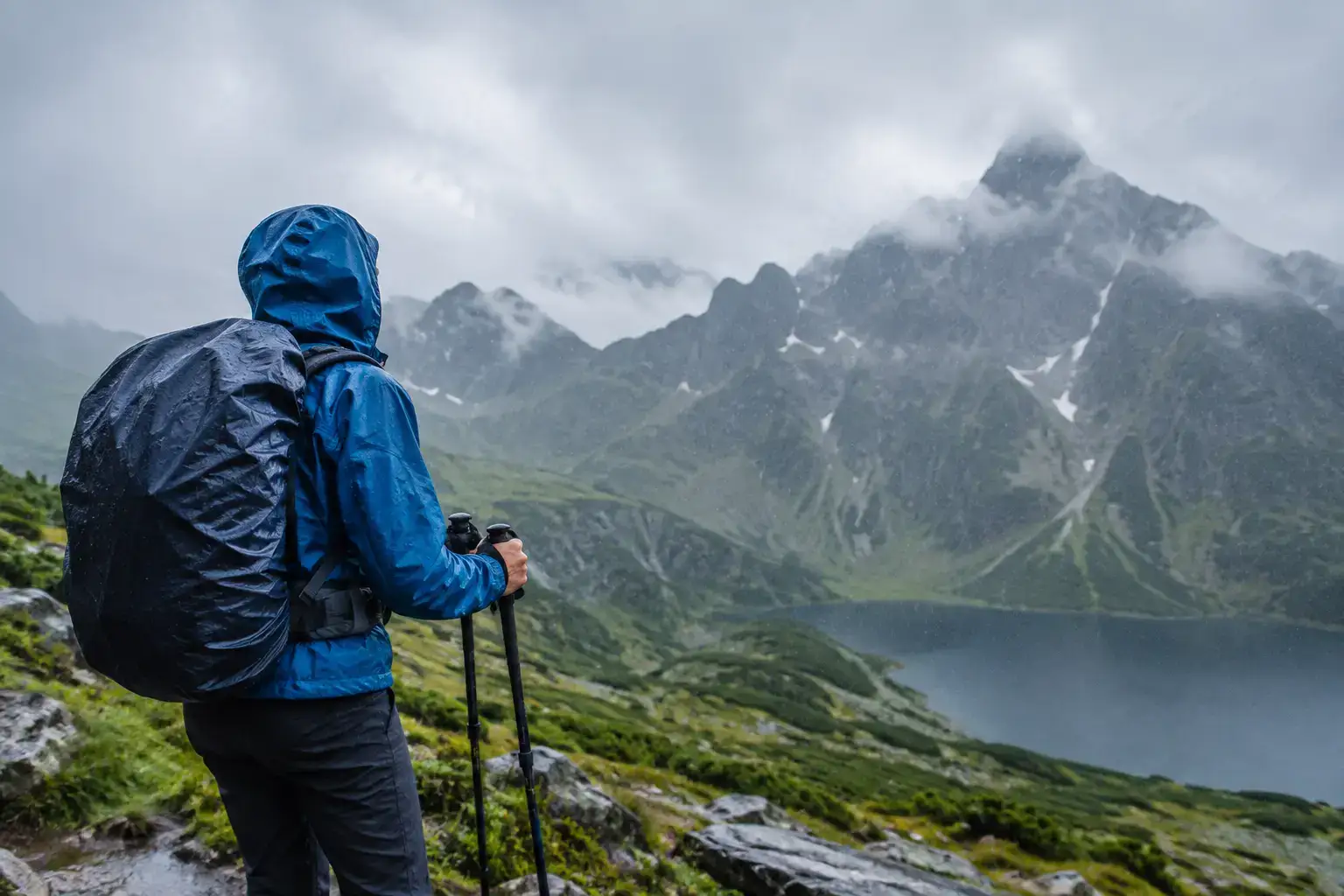
- What should you choose? You need a membrane. The most popular solution is a rain jacket often based on Gore-Tex or similar technology. Its advantage is that it keeps water out while still allowing sweat vapor to escape.
- Warning: A regular rubber poncho from a kiosk will protect you from rain, but after 10 minutes of walking you will be cooking in your own sweat.
4. Lower half: Pants and shoes
Leave your jeans in the closet. They are heavy, stiff, and when wet they become a hard shell that rubs your thighs raw.
- Pants: Go for trekking pants made from lightweight, quick-drying materials. A zip-off 2-in-1 model is perfect for summer days, when it is cold in the morning and hot by midday.
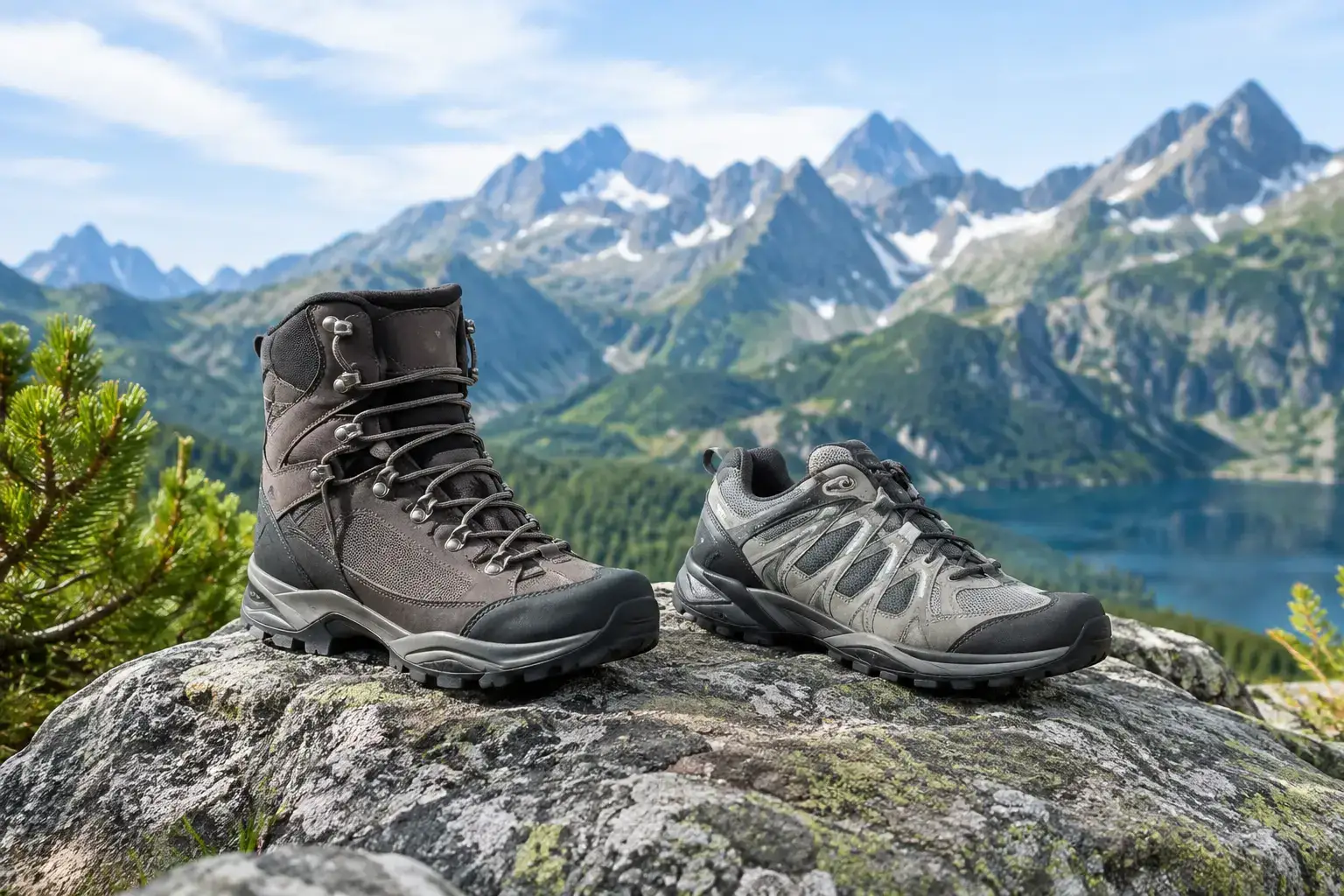
- Shoes: This is the most important element. Good trekking boots with a Vibram sole will help prevent slipping on wet rock and will stabilize your ankles on uneven ground. And do not forget trekking socks either, ideally thicker in the key areas to prevent blisters and rubbing.
What else should you not forget?
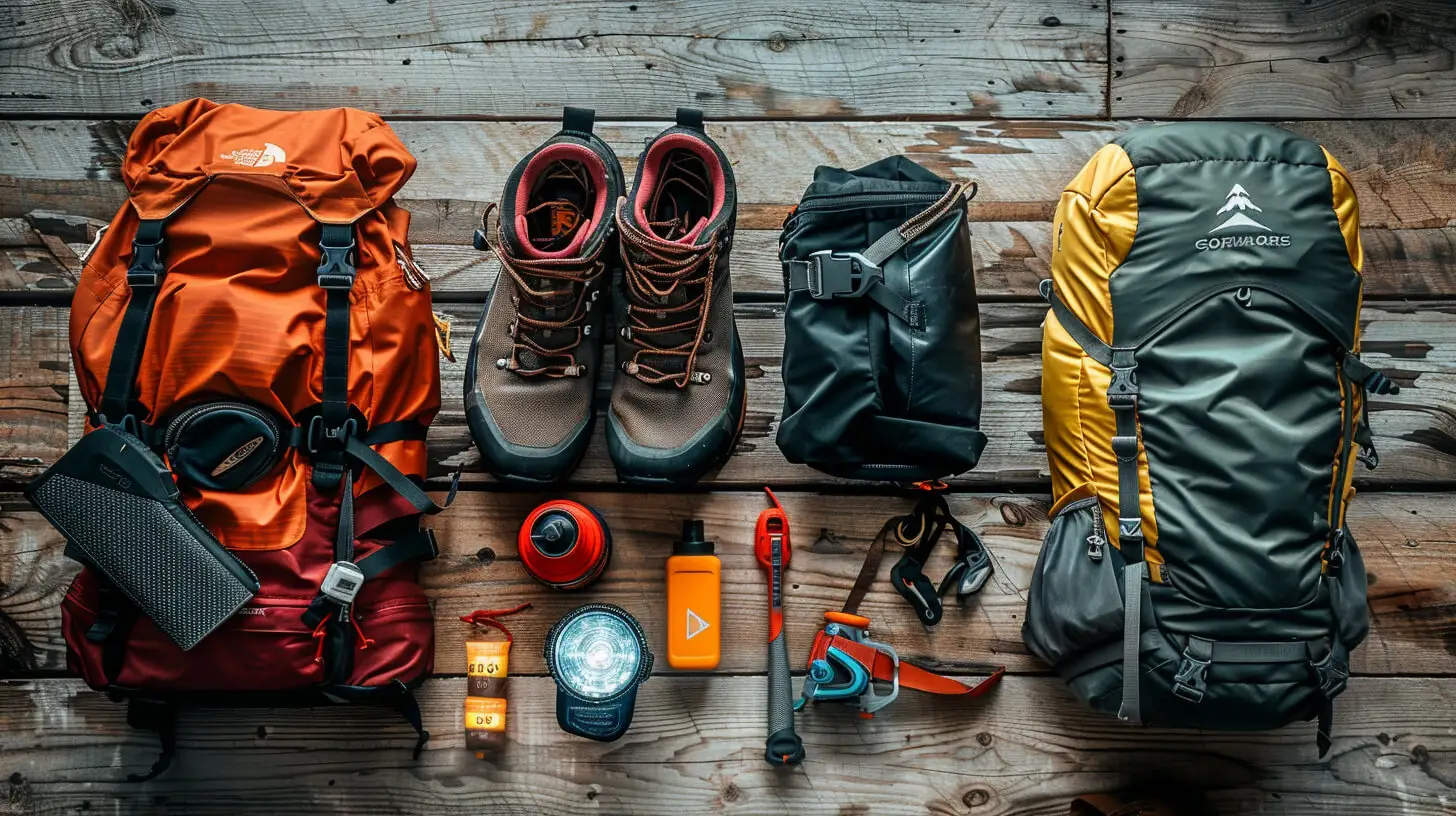
Even for the shortest trail, you need somewhere to pack all of this. A good daypack of around 20-30 liters with a mesh back panel is a guarantee of comfort. Do not forget your head and hands either - baseball caps and simple fabric gloves have already saved more than one trip on a windy day!
Remember: there is no bad weather in the mountains, only bad clothing. Be smarter than 80% of the hikers on the trail!