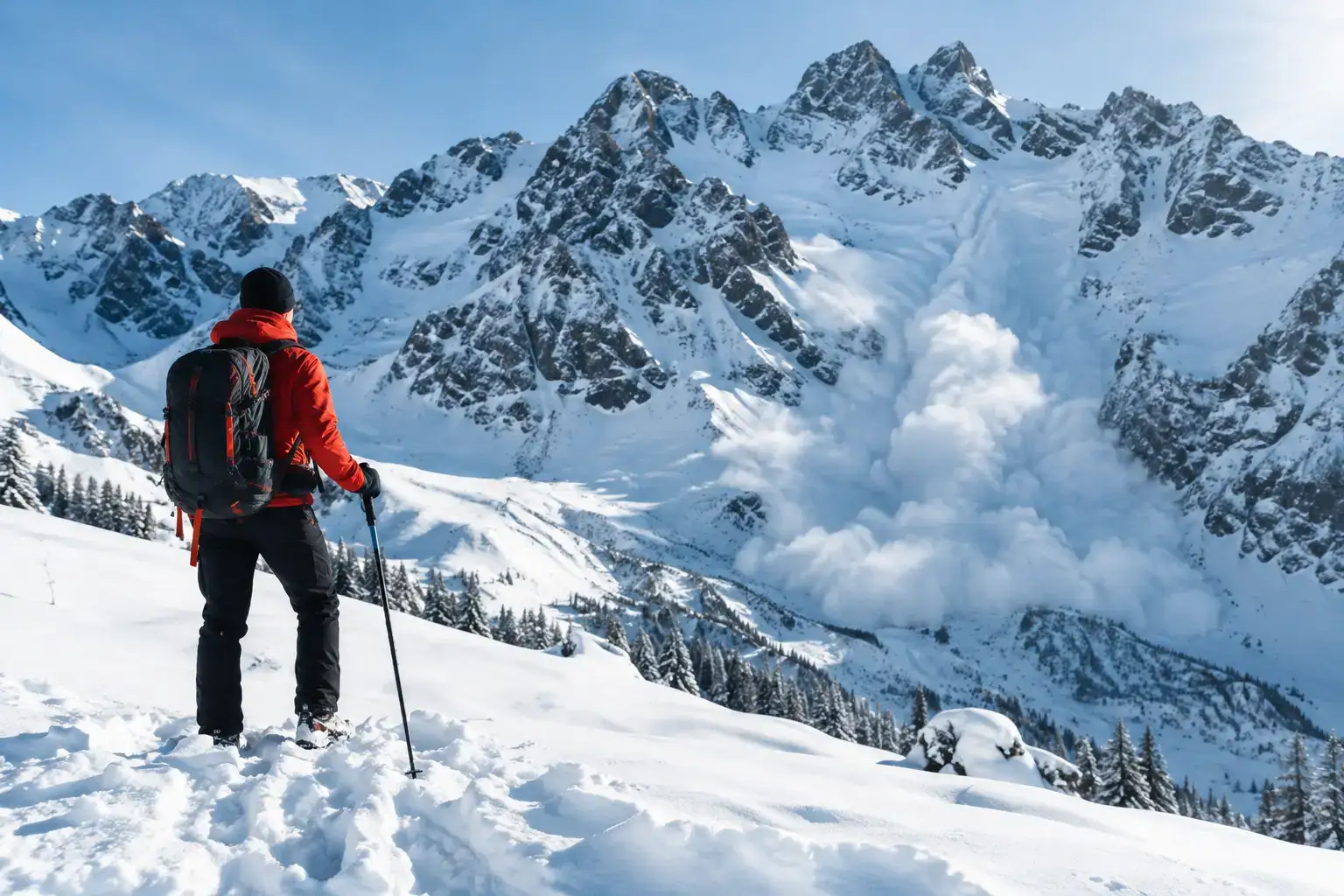
winter
Avalanches in the Tatras: the rules that save lives
Avalanches in the Tatras do not forgive a rush. Check the bulletin, the weather, the ground and the decisions that help you get back safely from a ski tour or a hike.
How to plan a trip up Rysy: the route, the weather, the kit, the fitness and the decisions that let you enjoy the summit without needless risk in the Polish Tatras.
Author: Konrad Leśniak8 min read
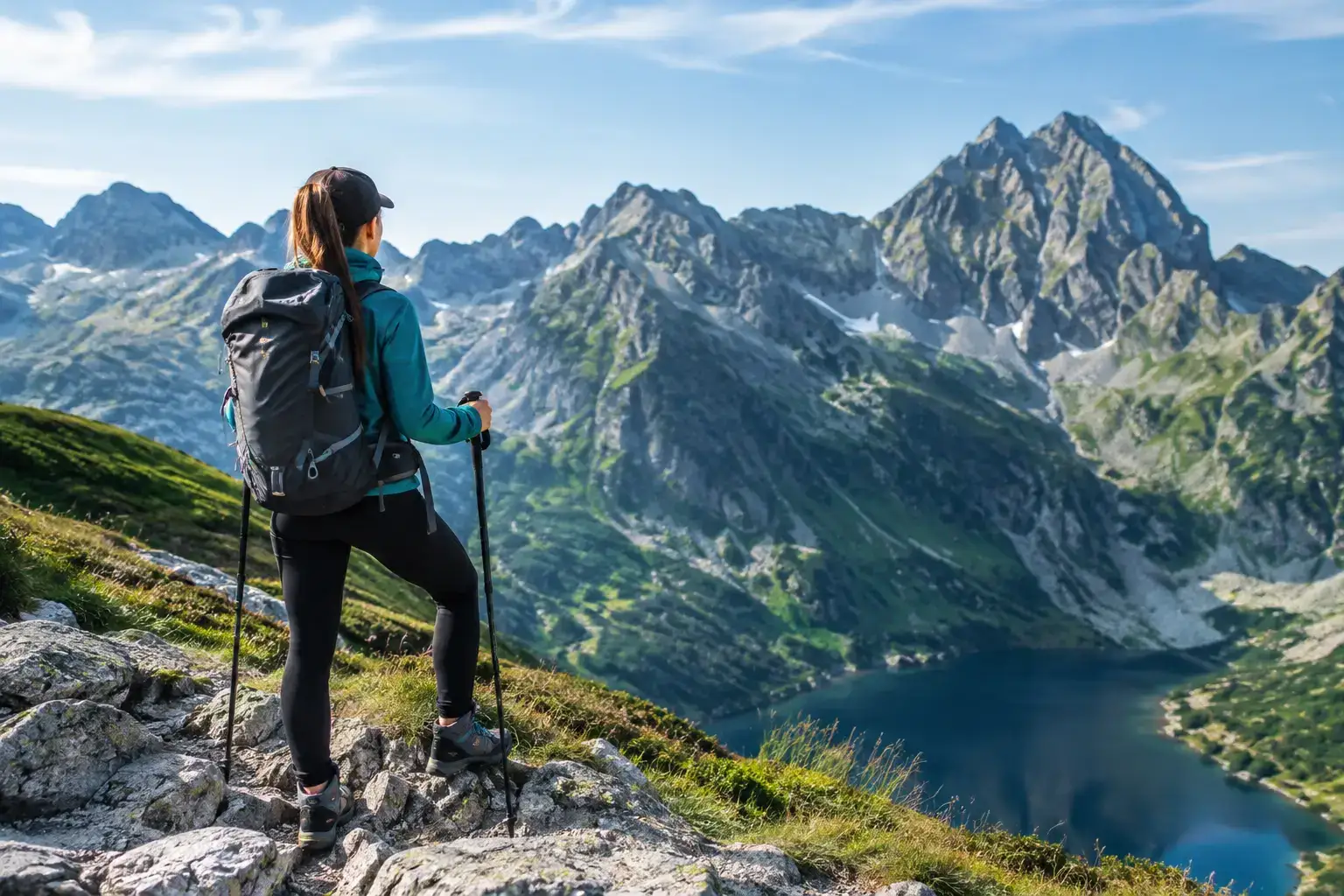
Rysy is not a place for a spontaneous “we’ll see after breakfast”. If you are wondering how to plan a trip up Rysy, start by accepting a simple truth: this is a long, demanding high-mountain day, not another tick on a weekend in Zakopane. The views are huge, and so is the satisfaction, but the price of ignoring the weather, the time or your own form can be very concrete.
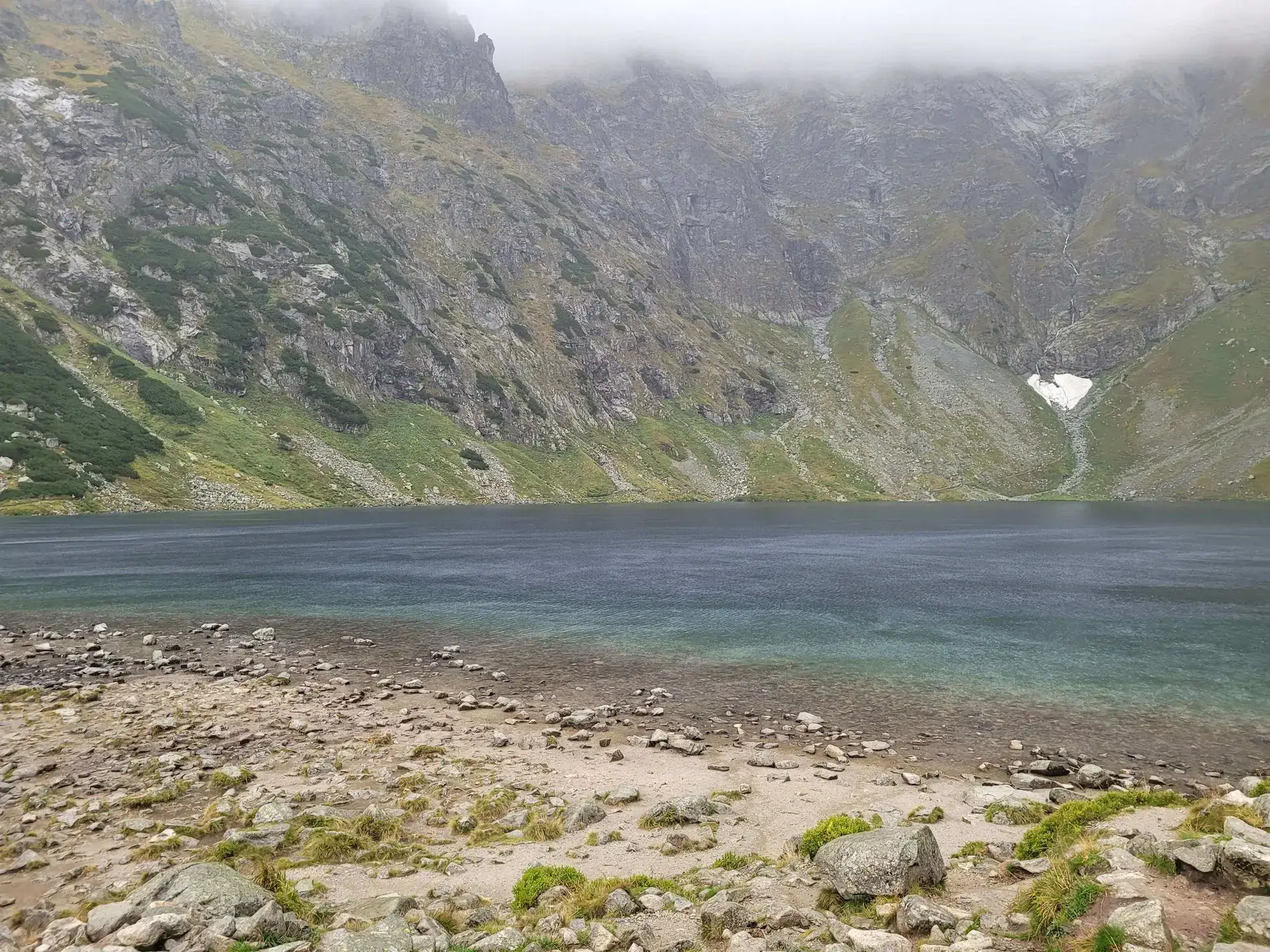
The most popular variant runs from Palenica Białczańska through Morskie Oko and Czarny Staw pod Rysami. On the map it looks logical. In the legs it can turn into a dozen hours of walking, about 24-25 kilometres and nearly 1,500 metres of ascent. And after the summit you still have to get down safely.
Rysy is within reach for a fit person with no climbing experience, but it is not a good debut in the High Tatras. The chains, the exposure and the steep rock slabs appear when you already have a long stretch from Palenica in your legs. If you are out of breath after a few minutes on the way up to Czarny Staw, and descents over stones make you panic, do not count on adrenaline suddenly kicking in higher up. Adrenaline is a terrible training plan.
Before the trip, answer three questions without the heroics. Can you comfortably walk 20 kilometres on uneven ground? Have you already done mountain trips with at least 1,000 metres of ascent? Can you descend for a long time, and with confidence, when your legs are already tired? One “no” does not cancel the dream of Rysy, but it may mean it is wiser to do Kościelec, Czerwone Wierchy or a more ambitious route in the Slovak Tatras first.
It is also worth looking at who is in the group. The slowest person sets the pace, not the most ambitious friend with a sports app. If you are taking someone less experienced, shorten the ambition, add more spare time, and agree in advance that turning back will not be a joke. In the mountains, group pressure can push people far above what they can actually do.
The most important part of the plan is not in the pack. It is in the forecast. On Rysy, what matters is the weather at height, not whether the sun is shining in Zakopane in the morning. Above Morskie Oko it can be warm and calm, while on the ridge the wind is strong, the temperature drops to a few degrees, and cloud cuts visibility to a few dozen metres.
Look for a stable day with a good weather window from morning until late afternoon. Storms and heavy rain, a strong wind and a low cloud base are reason enough to leave it. Wet rock by the chains does not become “a bit harder”. It becomes slippery, and a queue of people in front of a harder section only makes concentration worse and chills the people standing there.
Check the forecast the evening before, and again in the morning. Look at precipitation, wind, the feels-like temperature, cloud cover and the hour when storms are possible. If the forecasts disagree, or they warn of a collapse from midday, do not try to beat the meteorology by setting off later. Set off earlier, or pick another route.
In winter, spring and late autumn the subject looks completely different. Snow, ice, avalanches, iced chains and a short day call for winter skills, the right kit, and a judgement of the conditions on the ground. Crampons bought the day before do not turn a hiker into a winter alpinist. For most people, Rysy is a goal for a stable summer day, not for a first meeting with snow in the Tatras.
It is best to set off from Palenica very early. Not so you can post a photo of an empty Morskie Oko, though that is a nice bonus. It is about time. An early start gives you a margin for a slower pace, stops, queues at the chains, a change in conditions, and a calm return before dark.
A good rule is to reach Czarny Staw in the morning and set your own turnaround time. If by a set hour you are not high enough, you turn back, no matter how close the goal seems. The summit is not going anywhere. An afternoon storm, or a descent over wet rock by the light of a phone, can stay in your memory for much worse reasons.
Factor in the logistics at Palenica. In season, the car park and the journey there have to be sorted in advance, and the morning at the park entrance can be crowded. Do not build the plan on the assumption that you will drive up at seven, park by the trail and set off at once. In the holidays that scenario often exists mainly in the imagination.
You do not need an expedition arsenal, but you do need things chosen for a long day on rock. The most important are boots you already know, with a grippy sole. They do not have to be heavy and high-cut, but they should hold the foot steadily and not rub after many hours. New boots on Rysy are asking for a painful lesson already at Morskie Oko.
Dress in layers. It can be warm lower down, and higher up the wind takes the comfort away quickly. A light insulating layer and a rain jacket belong in the pack even when the forecast looks fine. A cotton T-shirt that soaks up sweat and takes a long time to dry is a poor idea in a place where the weather changes faster than the mood in the queue for the chains.
Take water, food and something quick for energy. How much you drink depends on the temperature and your pace, but on a route like this one small bottle is usually too little. A charged phone with an offline map downloaded, a power bank, a headlamp, a small first-aid kit, an emergency blanket and an identity document are worth having too. The route reaches the border with Slovakia, and reaching the higher, Slovak summit of Rysy means stepping onto Slovak ground.
Poles can spare the knees on the long climb and the descent, but before the section with chains you have to fold them and put them away. Free hands are not an extra for perfectionists. They are the basis of moving safely on steep ground.
The hardest part from the Polish side begins above Czarny Staw. The trail runs over steep rock slabs and gullies, protected by chains in places. Technically it is not climbing, but it needs a sure step, the use of your hands, and concentration. Do not go up there in flip-flops, with a child carried on your back, or in the belief that videos from the internet replace experience.
In season the crowd is a problem too. On the narrow sections a human snake forms: some people going up, others coming down, someone stopping for a photo, someone afraid to move. Keep a gap, do not force your way past, and do not hurry people who are dealing with their own stress. If you feel that you are blocking the way, find a safe spot and let the faster ones through.
Coming down needs at least as much attention as going up. It is on the way down, with tired thighs and concentration dropping, that a slip comes easily. Do not race the clock. It is better to go more slowly, keep three points of contact where you need them, and eat and drink regularly, than to push your body into a crisis a few kilometres from the car park.
Turning back is part of a good plan, not its failure. Leave it when a storm is coming in, visibility drops suddenly, the rock is wet, the wind takes your balance, or someone in the group stops coping physically or mentally. React the same way to a sore knee, cramps, signs of dehydration, or a growing fear of the exposure.
Do not negotiate with the conditions by saying “but we’ve already come so far”. Precisely because you have come far, you still have a long way back. The mountains do not award points for stubbornness, and TOPR is not an emergency taxi for people who ignored the forecast and the turnaround time.
Rysy tastes best when you still have the strength to look at Mięguszowieckie Szczyty, take a calm photo, and get down without a lottery. Plan the day so that the decision to turn back is always yours, not one forced on you by the weather, the dark, or exhaustion.
Newsletter
A few times a year: trail conditions, closures, the best time to go and new routes. No weekly spam.
Avalanches in the Tatras do not forgive a rush. Check the bulletin, the weather, the ground and the decisions that help you get back safely from a ski tour or a hike.
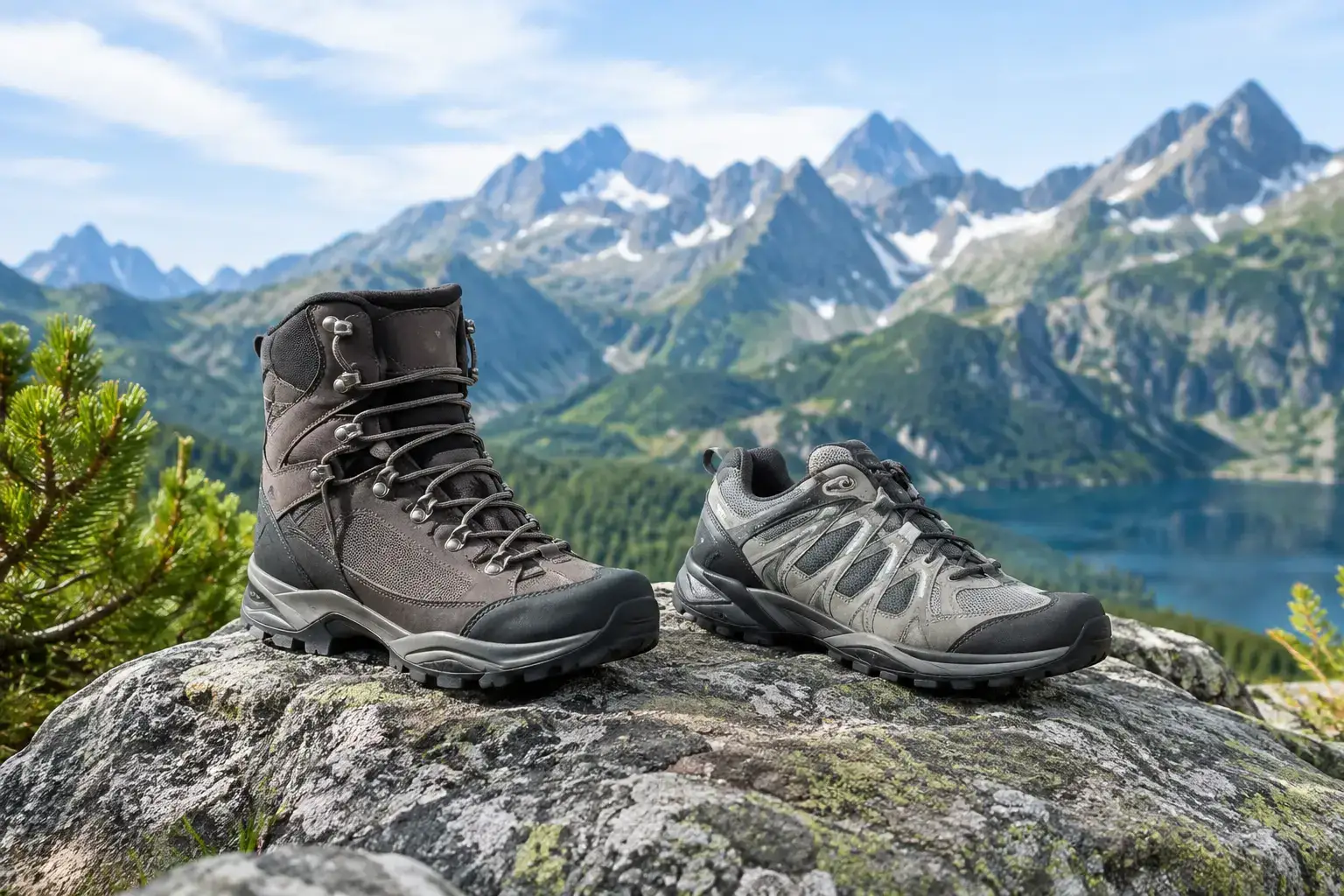
High boots or low shoes for the Tatras? See when the ankle needs support, and when a lighter shoe makes more sense on a Tatra trail.
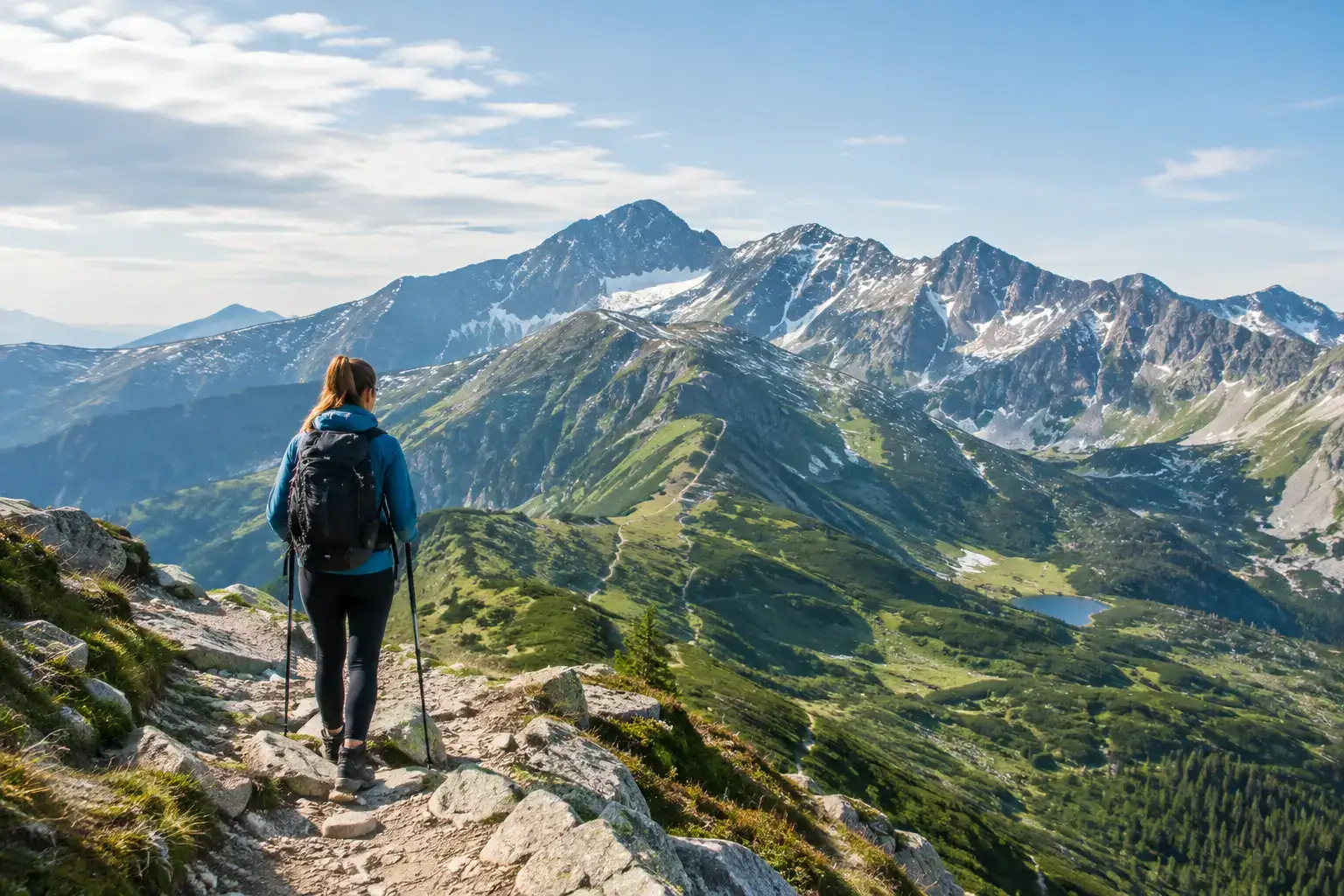
Scenic trails around Kasprowy Wierch, from Goryczkowa to the ridges. Check the cable car, the weather, the difficulty, and a sensible plan B for a day in the Tatras.
Start: Štrbské Pleso · via Skok waterfall and Mlynická and Furkotská valleys
Start: Palenica Białczańska · via Views of Morskie Oko from above and The shadow of Rysy and Kazalnica
Start: Hrebienok (funicular from Starý Smokovec) · via Téryho chata and Zbojnícka chata
These are affiliate links. If you book a stay or a ticket through them, we earn a small commission, for coffee :), at no extra cost to you.