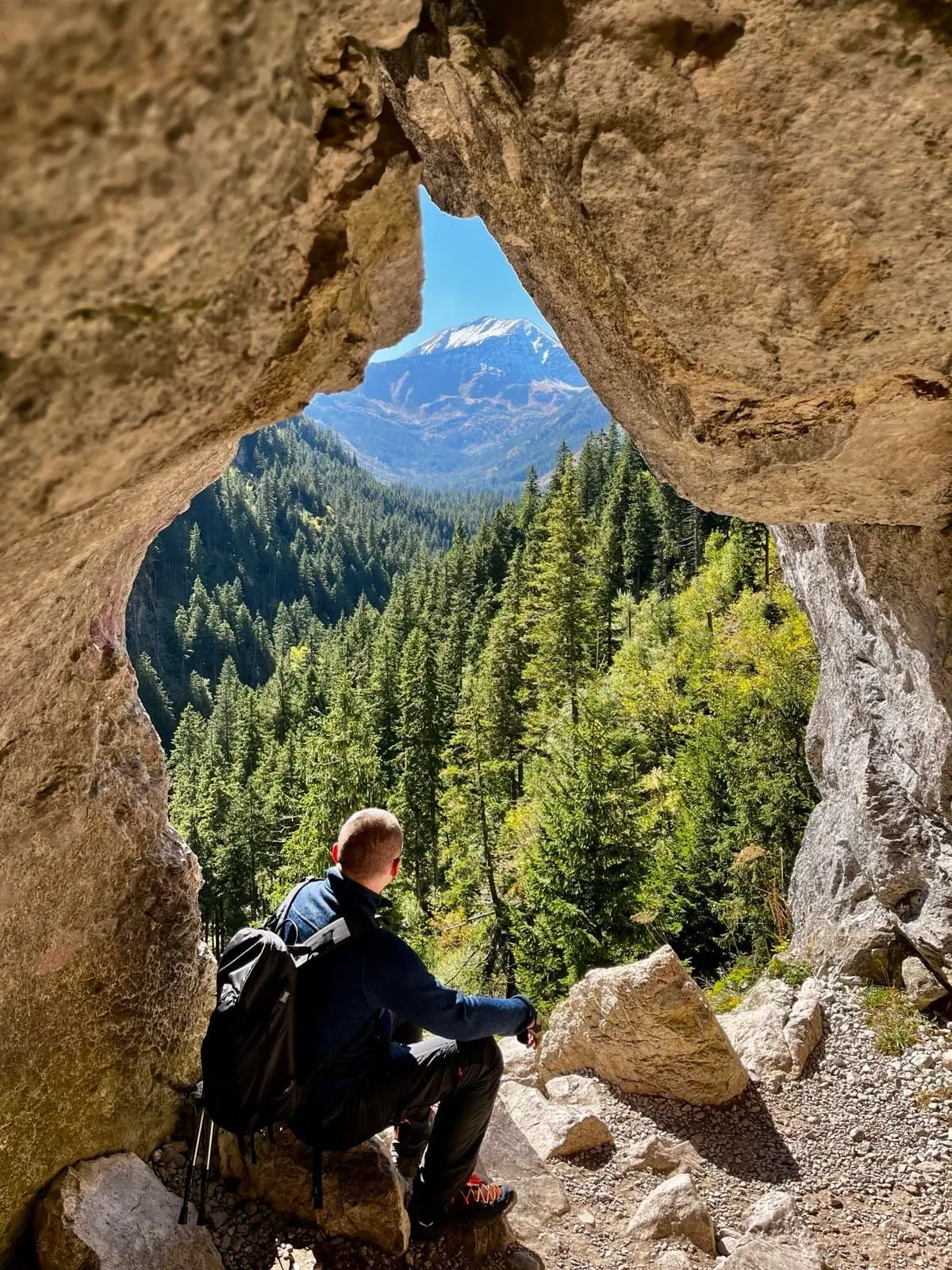
cave4 min read
Caves in the Tatras for visitors – which ones you can explore and what to bring
Six caves in the Polish Tatras are open to visitors: Mylna, Mroźna, Raptawicka, Obłazkowa, Smocza Jama and Dziura. How they differ and what to bring.
Wielka Krokiew: the chairlift to the top of the jump runs all year. What you see from the start bar, when jumpers train and how to add Siklawica and Sarnia Skała.
Author: Konrad Leśniak4 min read
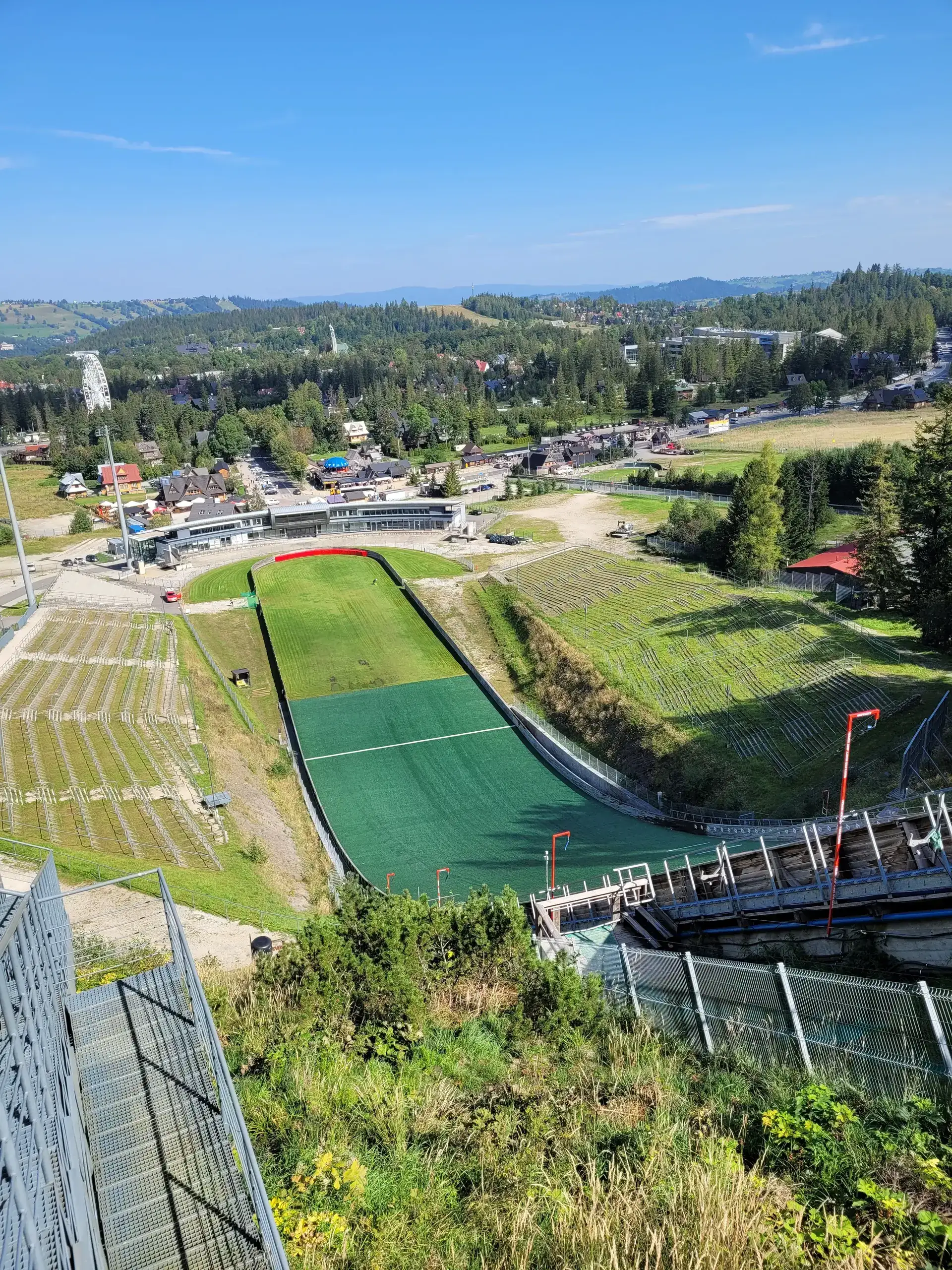
The second day of our September 2024 holiday was supposed to be a rest day. As usual, it did not work out. We ended up at Wielka Krokiew, watched young ski jumpers training, then had a small picnic by Siklawica waterfall and finished on Sarnia Skała. The “easy” day turned into a really nice day in Zakopane.
Wielka Krokiew is a one-hour attraction, but a great one to start with or for a day when you do not feel like going high. Below is what is worth knowing before you go up, plus an idea for adding a short trail.
💡 In a nutshell – Wielka Krokiew:
- Where: Zakopane, ul. Bronisława Czecha 1, at the foot of Krokiew. Run by the Central Sports Centre (COS).
- Chairlift: all year, two-seat chairs, two sections. The ticket covers the ride to the upper station, the ride down and the viewpoints.
- Hours: daily from 9:00, closing time depends on the month. Check current hours and prices on the COS website before you go.
- Jumping in summer too: the hill has an artificial surface, so jumpers train and compete outside winter as well.
- For the rest of the day: the Strążyska Valley with Siklawica waterfall and Sarnia Skała are close by.
The lift is short – about 357 m long with about 133 m of elevation gain. You ride two-seat chairs and the line has two sections. On the way up you already see the jump from the side and more and more of Zakopane.
This is not a lift to a Tatra summit, just a ride to the top of the ski jump. You do not need a TPN ticket or hiking boots. In bad weather the lift may be stopped, so on a rainy or windy day check first whether it is running.
At the top you stand where jumpers sit on the start bar before a jump. Only from here can you see how steep the in-run is and how far down the landing hill is. You do not get that on TV.
The view of Zakopane is wide – from the jump and stadium below to Gubałówka on the other side of town. By the upper station there is also a place to sit with a drink and some cake. We took a break there with a view of the jump.
The best part of our visit was unplanned: young jumpers were training on the hill. In summer the in-run and landing hill have an artificial surface, so jumping goes on all year. Wielka Krokiew also hosts World Cup competitions, usually in winter.
Training does not happen every day and is not announced for visitors. If you are lucky, it is a bonus. If not, the view is still worth the ride.
The ski jump opened on 25 March 1925. Today it is named after Stanisław Marusarz. It has been rebuilt many times and is one of the largest ski jumps in Poland. It is one of the symbols of Zakopane, next to Krupówki and Giewont.
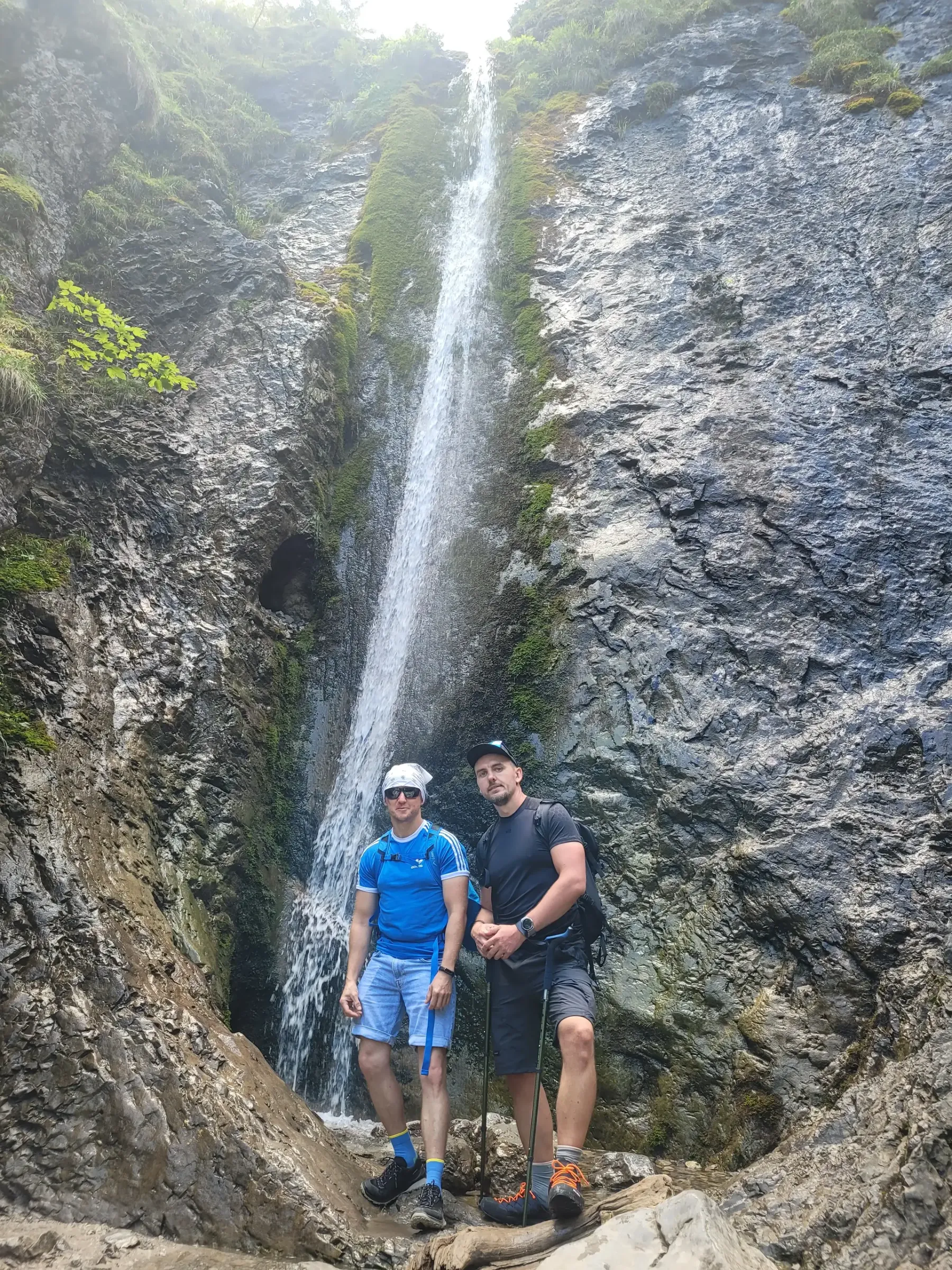
Wielka Krokiew is not far from the mouth of the Strążyska Valley, so it is easy to combine with a short trail. The Strążyska Valley leads to Siklawica waterfall – we had a picnic there. Route description: Strążyska Valley and Siklawica waterfall.
If you still have energy, from Strążyska you can climb Sarnia Skała – a low summit with one of the best views of Giewont. That was our day, and I recommend it as a “rest day” that is anything but boring. Sarnia Skała in winter: Sarnia Skała in winter.
For families with children, for first-time visitors to Zakopane, and for anyone who wants to see the jump from a jumper’s point of view. Also good for your arrival or departure day, when there is no time for a longer trail.
Other places with a view and no effort: best viewpoints in Zakopane and Tatra attractions without effort. Photos from that day: Wielka Krokiew – Siklawica – Sarnia Skała.
Newsletter
A few times a year: trail conditions, closures, the best time to go and new routes. No weekly spam.
Six caves in the Polish Tatras are open to visitors: Mylna, Mroźna, Raptawicka, Obłazkowa, Smocza Jama and Dziura. How they differ and what to bring.
Gubałówka on foot: the black trail along the funicular, about 1.5 km and 50 minutes up. Where to start, microspikes in winter, Butorowy Wierch and the ride down.
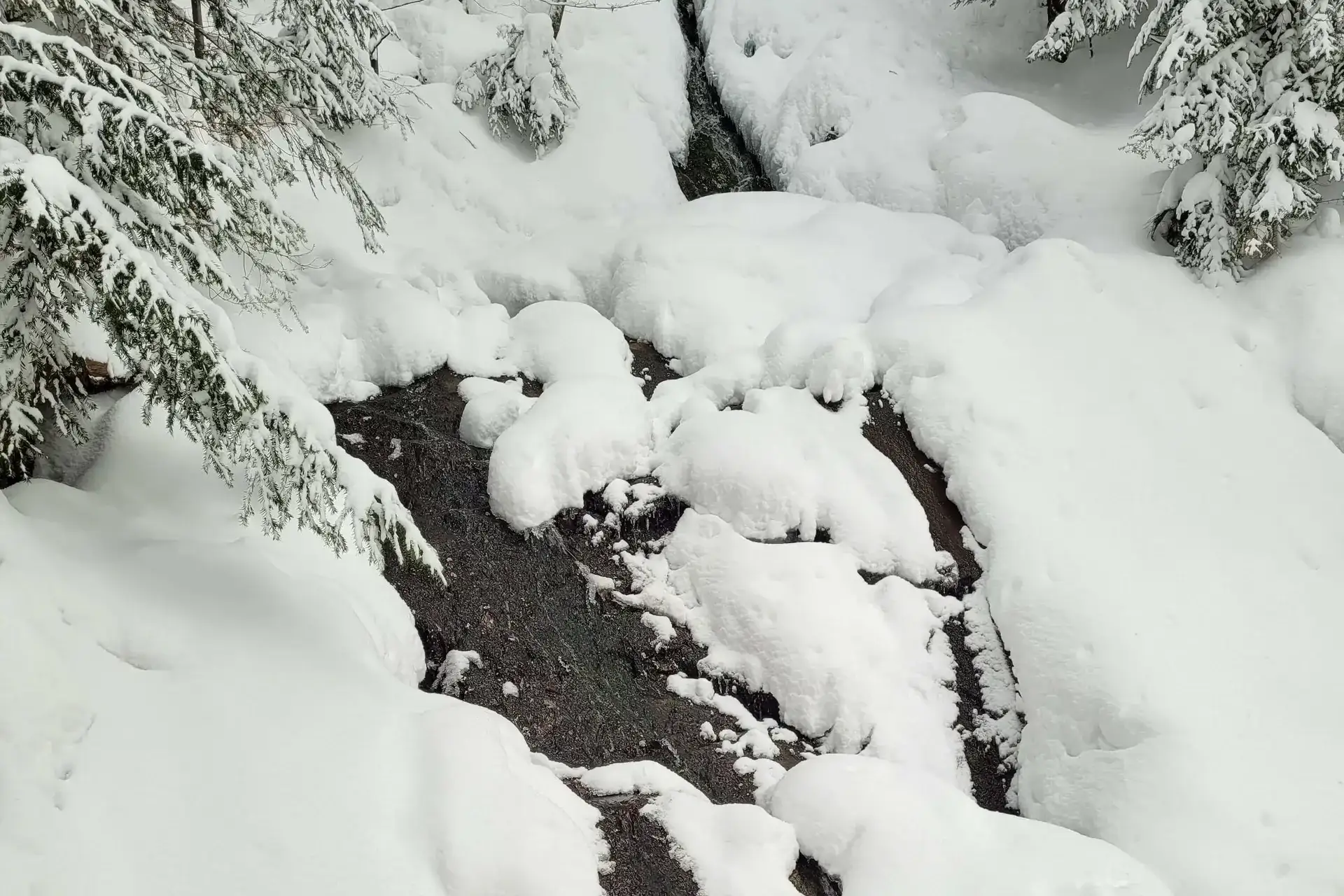
Białego Valley in winter: about 2 h of walking straight from Zakopane, Biały Stream under snow, icy footbridges, microspikes and how to handle the short day.
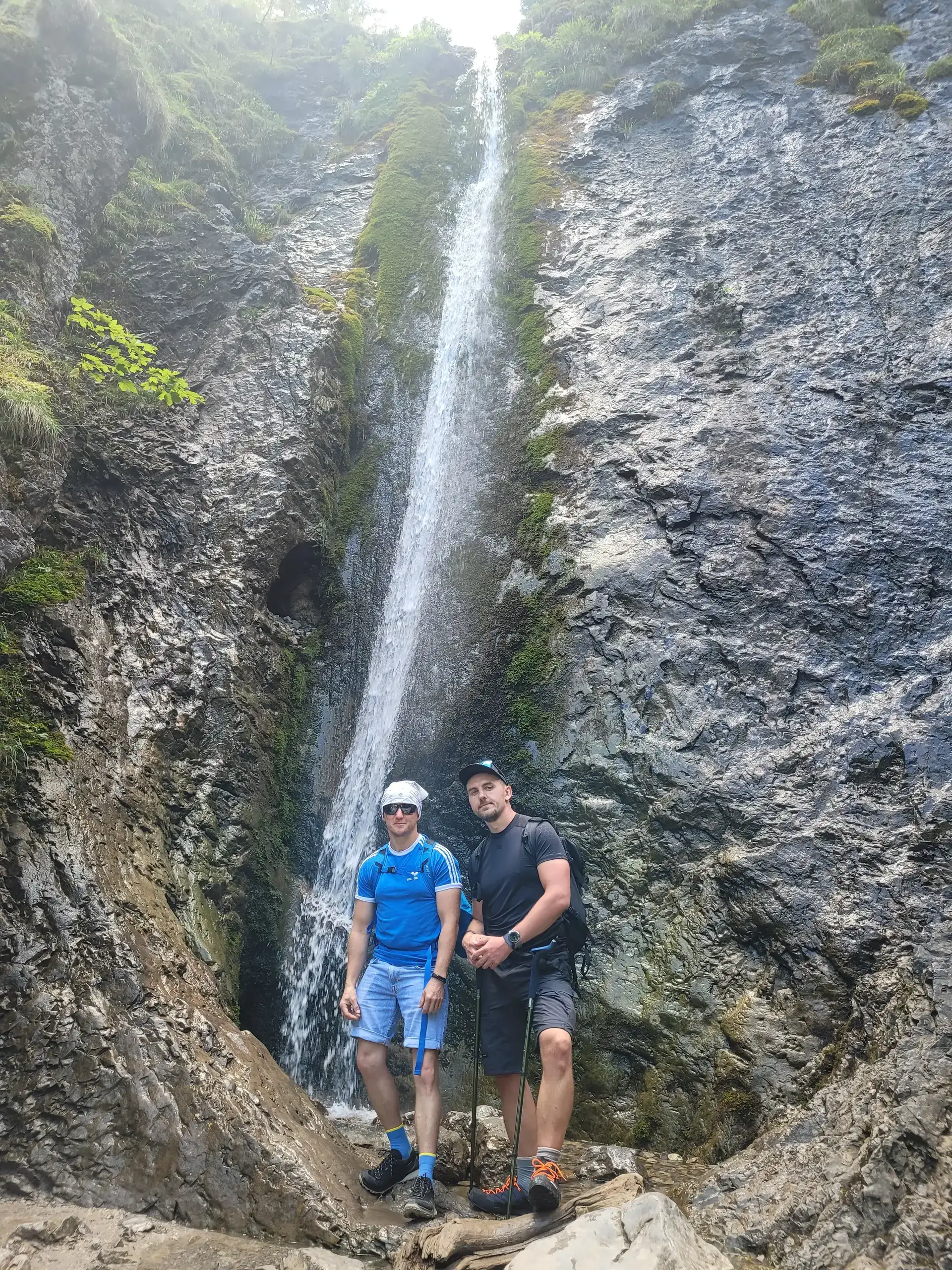
Start: Zakopane (Strążyska street) · via Siklawica Waterfall and View of Giewont
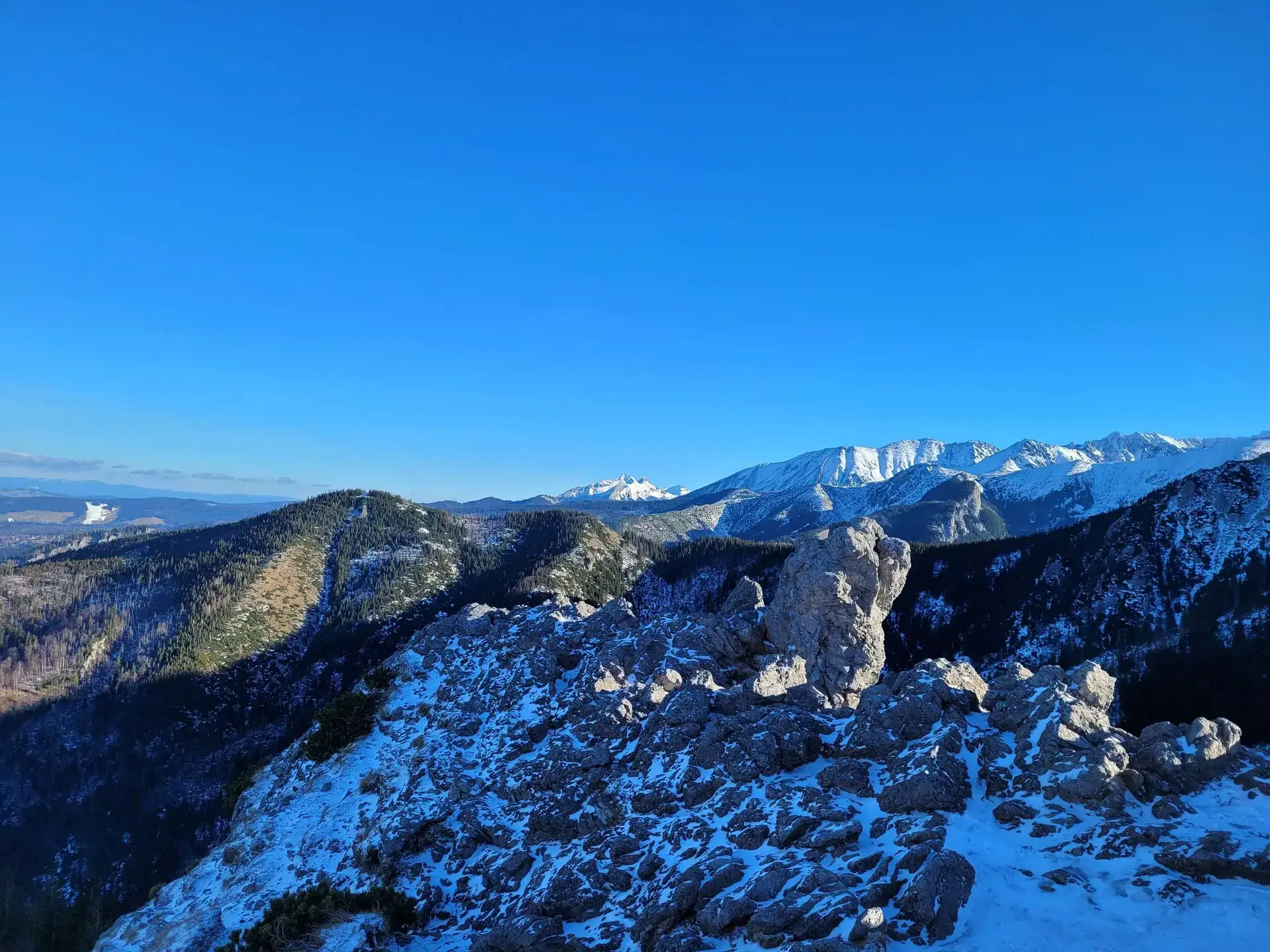
Start: Zakopane (Dolina Strążyska) · via Siklawica Waterfall and View of the Giewont wall
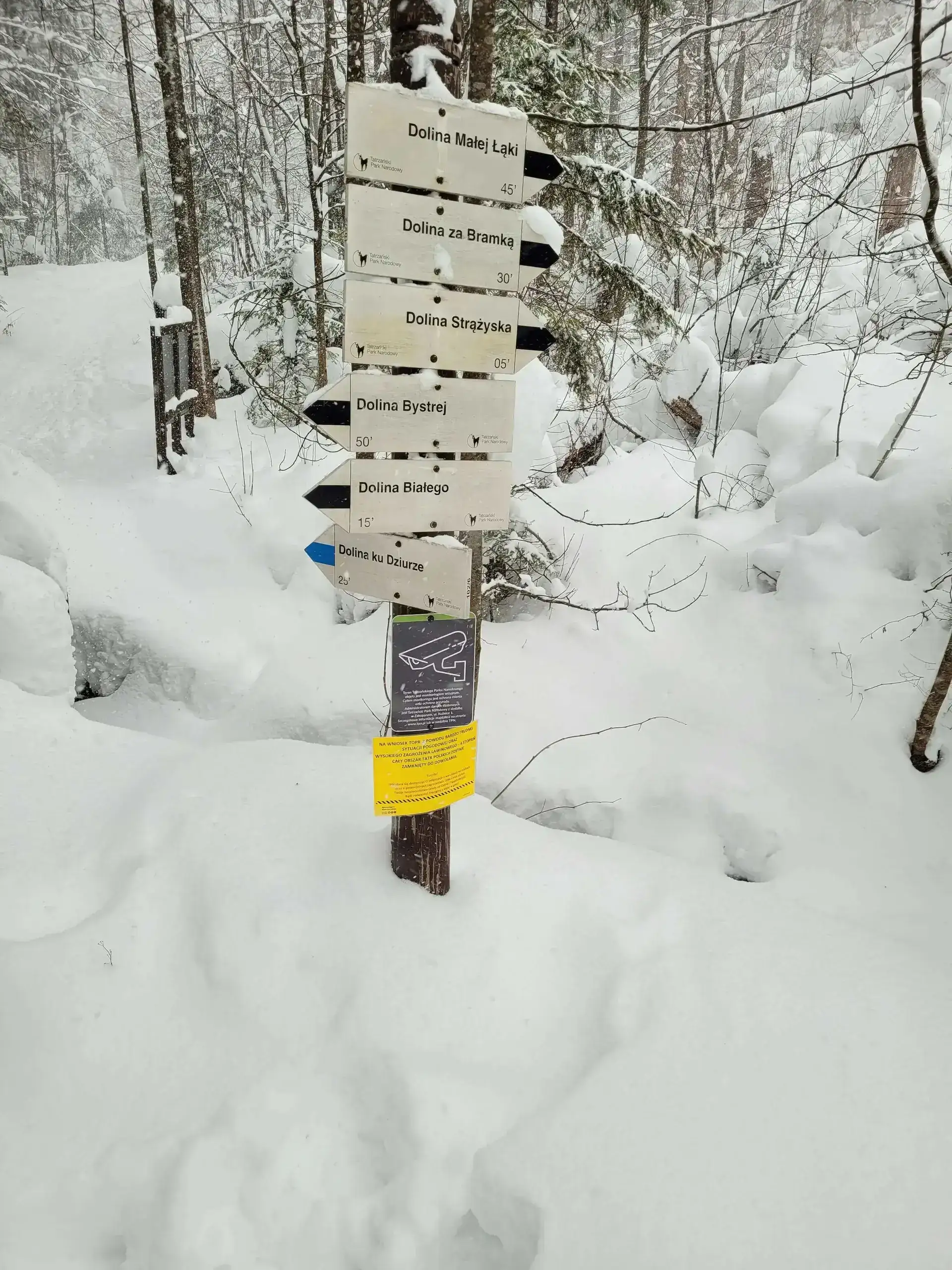
Start: Dolina Białego · via White Stream and Uranium Adits
These are affiliate links. If you book a stay or a ticket through them, we earn a small commission, for coffee :), at no extra cost to you.