It is 15:30, you are standing on a pass, the descent is still ahead of you, and the sign to the car park says “only” two hours. The problem is that your legs are already soft, the rocks are wet, and a storm does not care how fit you are. Hiking time on a mountain trail is not a number to tick off. It is the starting point of a sensible plan, and often the difference between a great day in the Tatras and an unnecessary rescue.
Signs, maps and route descriptions give approximate times. The word “approximate” matters more than the digits. It does not mean someone counted the route badly. It means that in the mountains pace depends on far more than the number of kilometres.
What hiking time on a mountain trail actually means
The time on a signpost usually describes walking without long stops, in normal conditions, at the pace of someone who can move on mountain ground. It does not include a half-hour pause above Morskie Oko, the queue for the chains on Orla Perć, or hunting for the gloves that just fell out of your pack.
For a fit person used to the mountains, that time can be realistic. For a couple walking above the valleys for the first time, a family with a child, or a group in which one person is afraid of heights, the same section looks completely different. That is not a reason for shame. The shame would be pretending that everyone should march like the person in a hiking-boot advert.
In the Tatras, short routes with a lot of ascent are especially misleading. Three kilometres in Dolina Kościeliska and three kilometres up to Zawrat are not comparable walks. On paper the distance is similar. In practice it is the difference between an easy path and a steep, rocky climb where you catch your breath every few dozen steps.
Why the time on the sign is often too short
The biggest time-eater is the ascent. A long climb slows even people who train regularly, and higher up you add altitude, wind and uneven ground. The descent does not have to get easier. Steep rocks, loose scree and tired thighs can slow you more than the way up.
The second factor is the terrain. A dry path through dwarf pine lets you walk smoothly. Wet slabs, mud, snow in a gully or icy sections demand care. There is no medal for making up time. One slip can turn an ambitious plan into a very bad day.
Trail traffic does its share too. In summer the popular routes turn into a human snake, especially at the chains, in narrow passages and on the climbs to well-known summits. You can be in great shape and still not jump the queue without putting yourself and other people at risk. On a weekend on Giewont, Rysy or the busy sections of Czerwone Wierchy, plan with a margin, not according to the version of the day you wish you were having.
Then there are the breaks. And it is good that they exist. Drinking, eating, putting a layer on before you get cold, or a short rest before a hard section are not wasted time. They are part of getting through the route safely. The problem starts when the day’s plan only works if nobody needs to stop.
How to work out the time without fairy tales
First, check the time given for the whole loop, or for each section in turn. If you go out and back the same way, do not assume the return will take exactly half the day. After several hours of effort the descent can be slower than the climb, especially when the trail is slippery or steep.
Then add a reserve. On an easy valley walk, a dozen or so percent plus the stops is usually enough. On a route with a lot of ascent, exposure, chains, or a mixed group, it is wiser to allow at least 25–40 percent extra. The point is not to walk like a tortoise. The point is not to make stupid decisions just because the watch no longer matches the plan.
An example? If the signs say the loop is six hours of pure walking, do not write “6-hour trip” in the plan. For most people a real day is closer to seven and a half to nine hours, stops included. In the High Tatras, in harder conditions or in a big crowd, even more.
It is also worth setting a turnaround time. That is a specific moment after which you go back, even if the summit is already “almost” there. For example: if you are not on the pass by 13:00, you drop the longer option and descend. A decision like that is easy in the morning. At 16:00, when the goal is hanging above your head, it suddenly becomes surprisingly hard.
Do not copy someone else’s pace
A report that says “we were up in three hours” is worth little without context. Who was walking? Were they running? What was the weather? Was the route empty? Did the author stop the clock for breaks? The internet is full of records from people who want to show they did the mountains quickly. What you need is a plan that gets you back without drama.
If you do not know your mountain pace yet, start with easier routes and write down the real time: walking, stops, pace on the way up and the way down. After a few trips you will plan far better than from other people’s boasts.
When to shorten the plan even if you feel fit
Weather can cancel the best schedule. When the forecast calls for storms, do not pick a long ridge just because the sign says you will make it. A high route in a downpour and a thunderstorm is not an “adventure”. It is a bad idea. Wet rock slows every move, visibility disappears, and open ground stops being a place where you want to negotiate with lightning.
Shorten the plan too when someone in the group is clearly fading, getting cold, has blisters, or stops placing their feet with confidence. That is not the moment for a motivational speech. Tiredness makes risk harder to judge, and a descent in poor shape can drag on forever.
In spring and autumn, snow or ice lingering in the shade is an extra trap. A route that is an ordinary hiking trail in summer can demand completely different skills and gear. On a day like that, the time on the map is not “a bit low”. It can simply be the wrong number.
An early start gives you more than spare minutes
Starting early is not only about avoiding crowds. It gives you room to change your mind. You can slow down, sit out a short shower in a hut, turn back without panic, or pick a safer option. When you set off late on an ambitious route, every small delay turns into a problem.
Before you leave, also check seasonal trail closures, current conditions and the time of sunset. A headlamp belongs in the pack even in summer, but do not treat it as a permit to plan a return in the dark. The light is there to save an unforeseen situation, not to prop up a badly built schedule.
The best hiking time is the one after which you still have the strength to get down safely, eat something decent, and say: “that was great, we are coming back”. The summit is not going anywhere. The Tatras will look just as good if you turn around half an hour short of the goal.

 2026-10-02
 2026-09-28
 2026-09-22
 2026-10-01
 2026-09-30
 2026-09-27
 2026-09-26
 2026-09-25
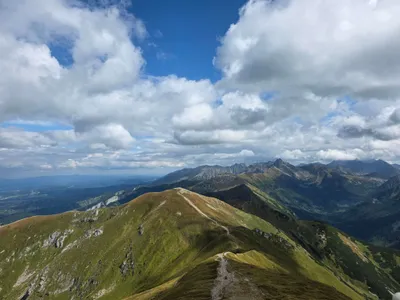 Distance: 18.5 kmDuration: 8 h 09 min
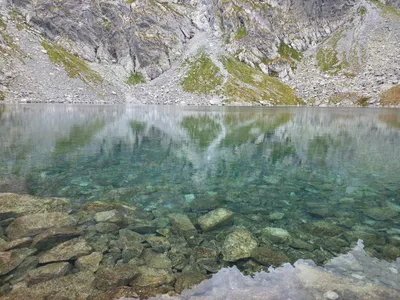 Distance: 24.7 kmDuration: 7 h 38 min
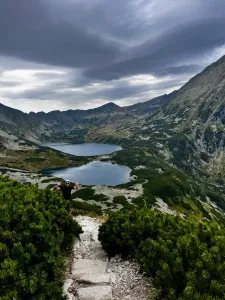 Distance: 16.5 kmDuration: 5 h 45 min
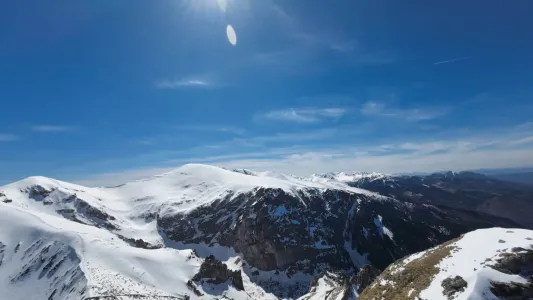 Distance: 6 kmDuration: 3 h 15 min
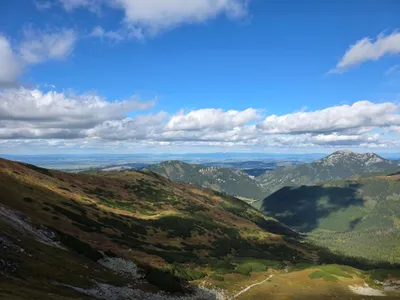 Distance: 18.1 kmDuration: 6 h 50 min