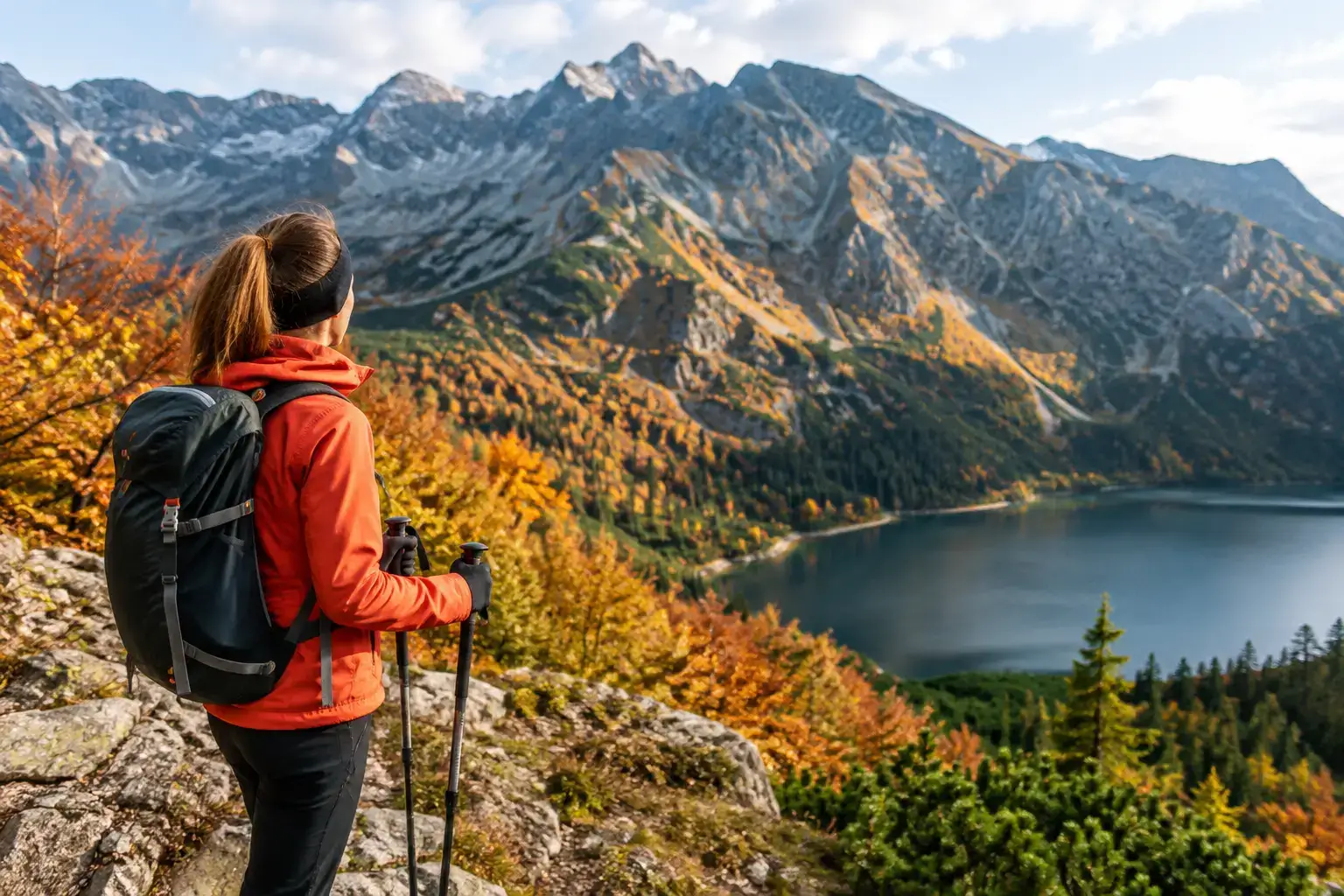
autumn
Autumn in the Tatras: how to plan routes without the traps
Autumn in the Tatras can give you quiet, colour and the first winter traps. See how to choose routes, what to wear, and why not to underestimate a sudden change in the weather.
Hiking the Tatras in September and October: red grass on the Czerwone Wierchy, seas of mist, fewer crowds, plus short days and freezing evenings to plan for.
Author: Konrad Leśniak2 min read
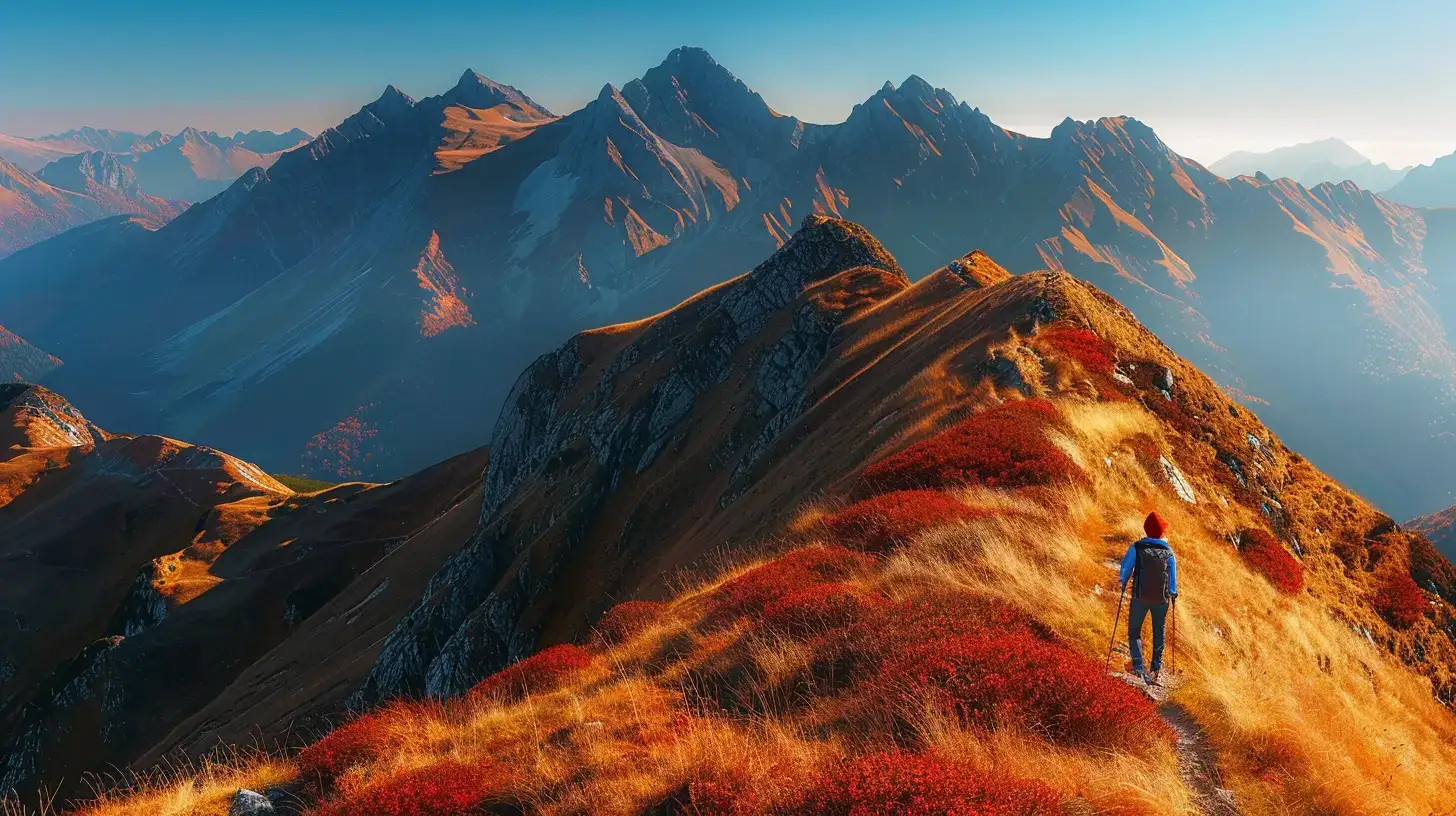
Red grasses, no sweltering heat and a sea of mist. September and October are the ‘golden season’ in the Tatra Mountains. But be warned – the days are short and the evenings are freezing.
July and August? Crowds, storms and sweltering heat. If you can choose when to take your holiday, aim for September or the first half of October. That’s when the Tatras look like something straight out of a National Geographic cover.
💡 In a nutshell – Autumn in the Tatras in a nutshell:
- Pros: No sweltering heat, fewer storms, red grasses on Czerwone Wierchy, spectacular seas of mist.
- Dangers: Very short days (a headlamp is a must!), icy patches in shaded areas, huge temperature drops after sunset.
- Pro Tip: Always carry a hat, gloves, and a thermos with hot tea in your backpack – even if it’s 15 degrees in Zakopane.
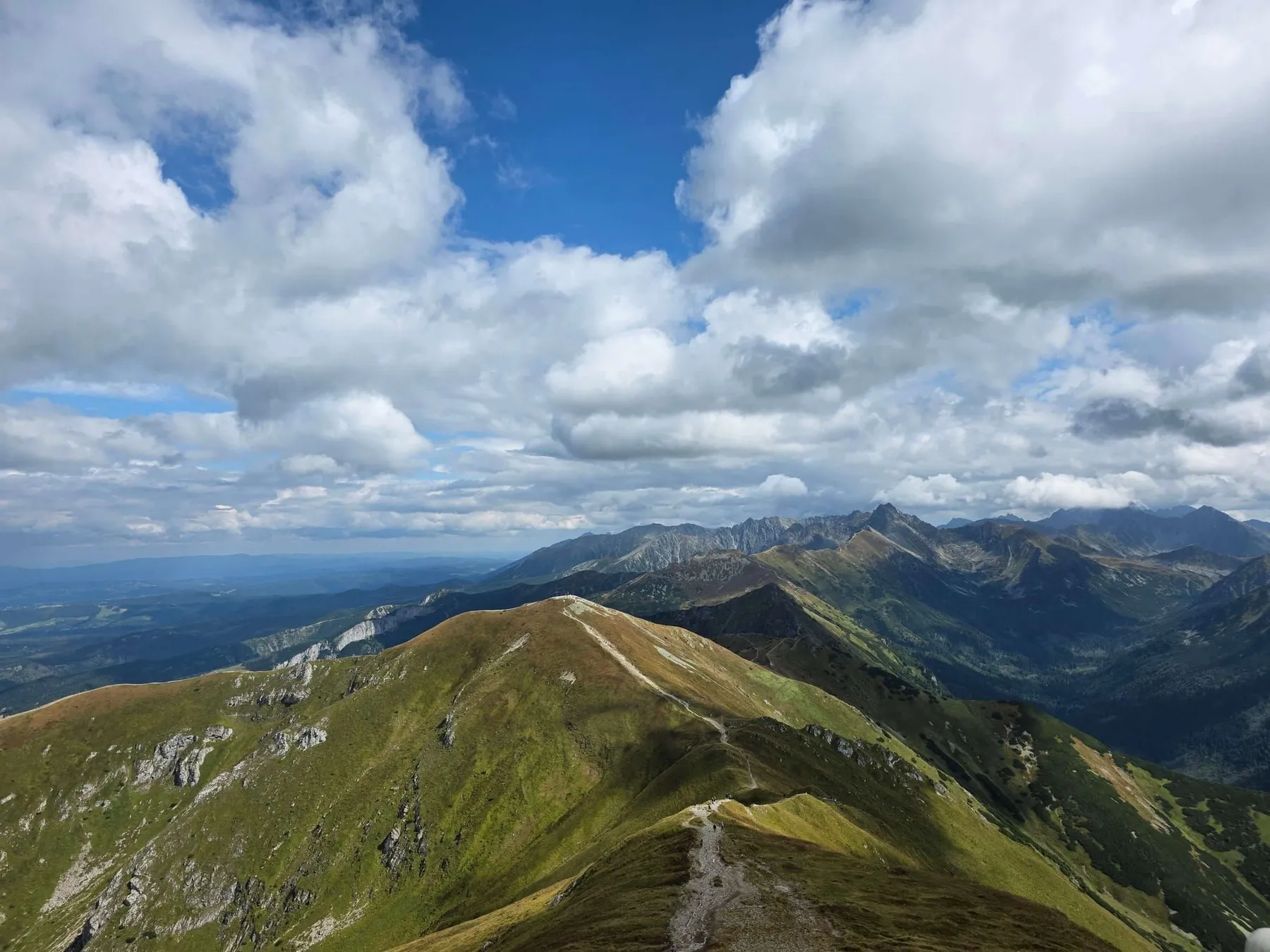
This is the phenomenon that photographers take holidays for. The sit skucina grass that covers the Western Tatras turns a reddish-brown colour in autumn. Combined with the low-hanging sun, the mountains look as if they are on fire. The best place to witness this spectacle? Of course, the Czerwone Wierchy (especially the slopes of Ciemniak) and Jarząbczy Wierch.
Thermal inversion is a common occurrence in autumn. In Zakopane, it’s grey, cold and misty, yet you rise above the clouds and bask in full sunshine, with a white sea stretching out beneath your feet. It’s a sight you’ll never forget. The best places to catch this sight are from high peaks such as Rysy or Krywań.
It’s not all sunshine and roses – autumn is demanding.
Yes, but… at weekends when the weather is nice, it can still get crowded. However, during the week the trails are deserted. You can go to Grzesia and meet only a few people. That’s a luxury you can’t get during the summer holidays.
Newsletter
A few times a year: trail conditions, closures, the best time to go and new routes. No weekly spam.
Autumn in the Tatras can give you quiet, colour and the first winter traps. See how to choose routes, what to wear, and why not to underestimate a sudden change in the weather.
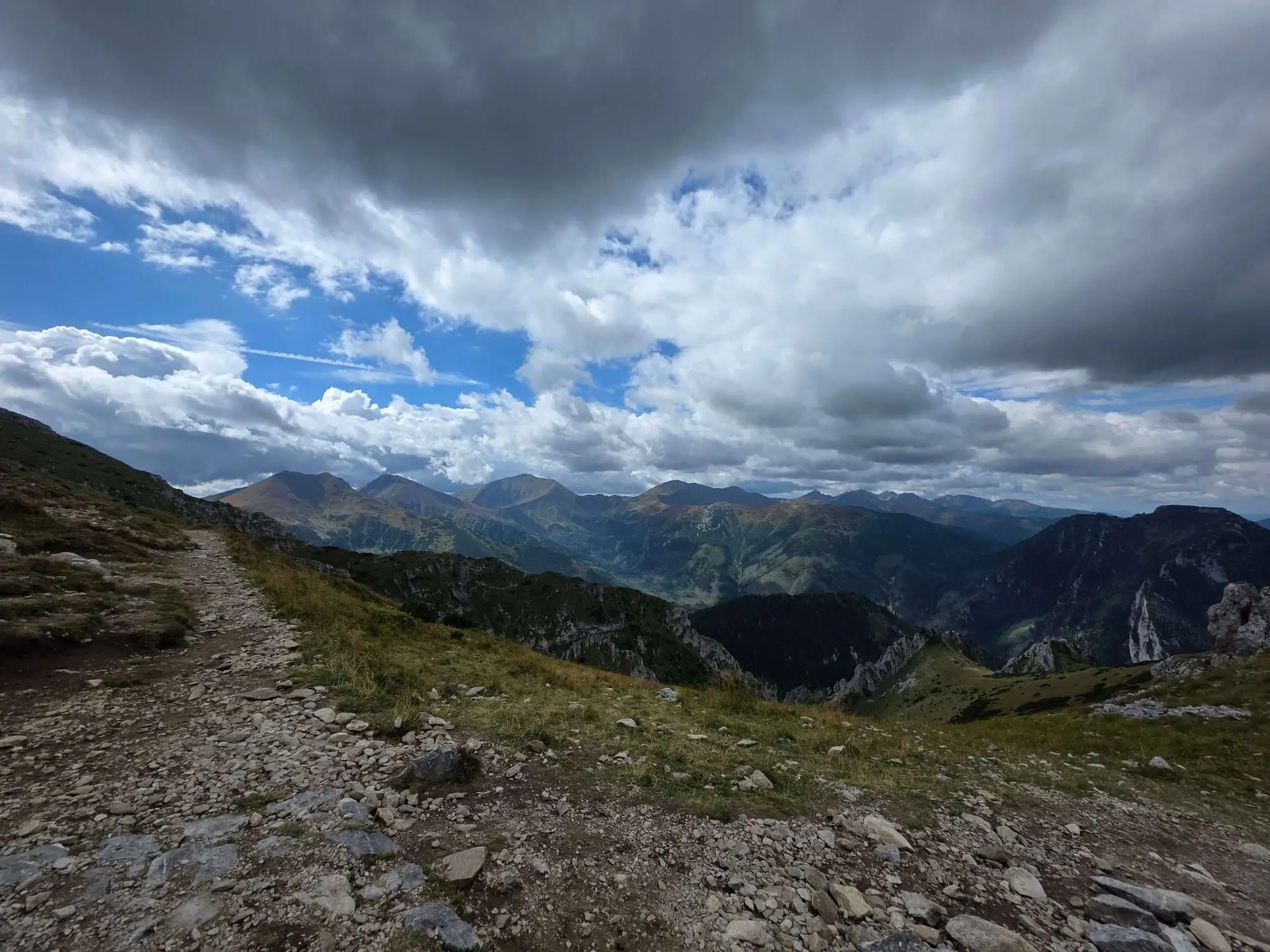
Czerwone Wierchy difficulty: check who this trail is for, how much fitness it takes, where the exposure is, and when it is wise to turn back before a summer storm.
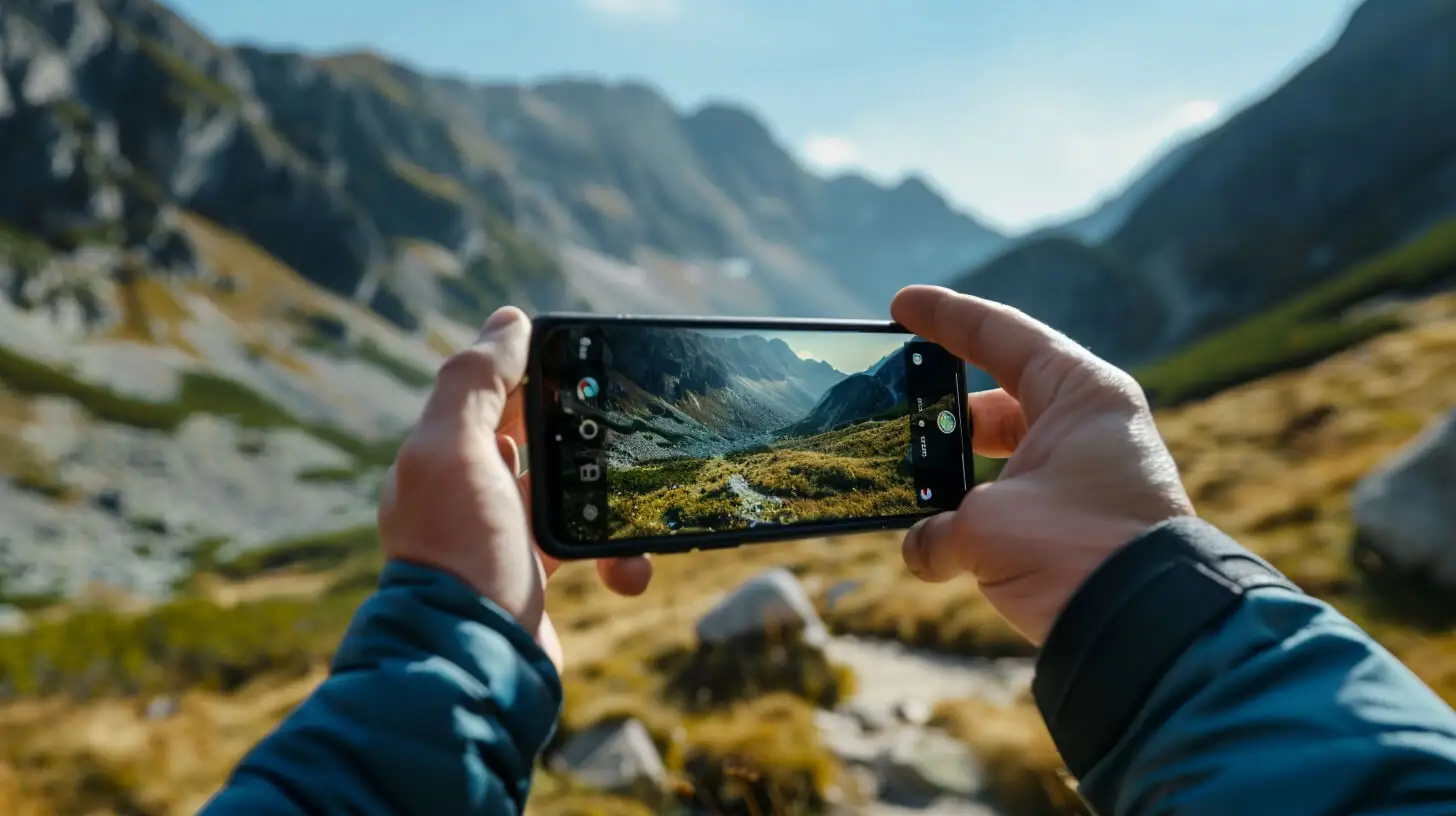
You’re standing on Szpiglasowy Wierch, the view takes your breath away, you take a photo... and on your screen it’s a flat, grey blob. See how to take smartphone photos in the Tatras so your friends on Instagram drop their jaws.
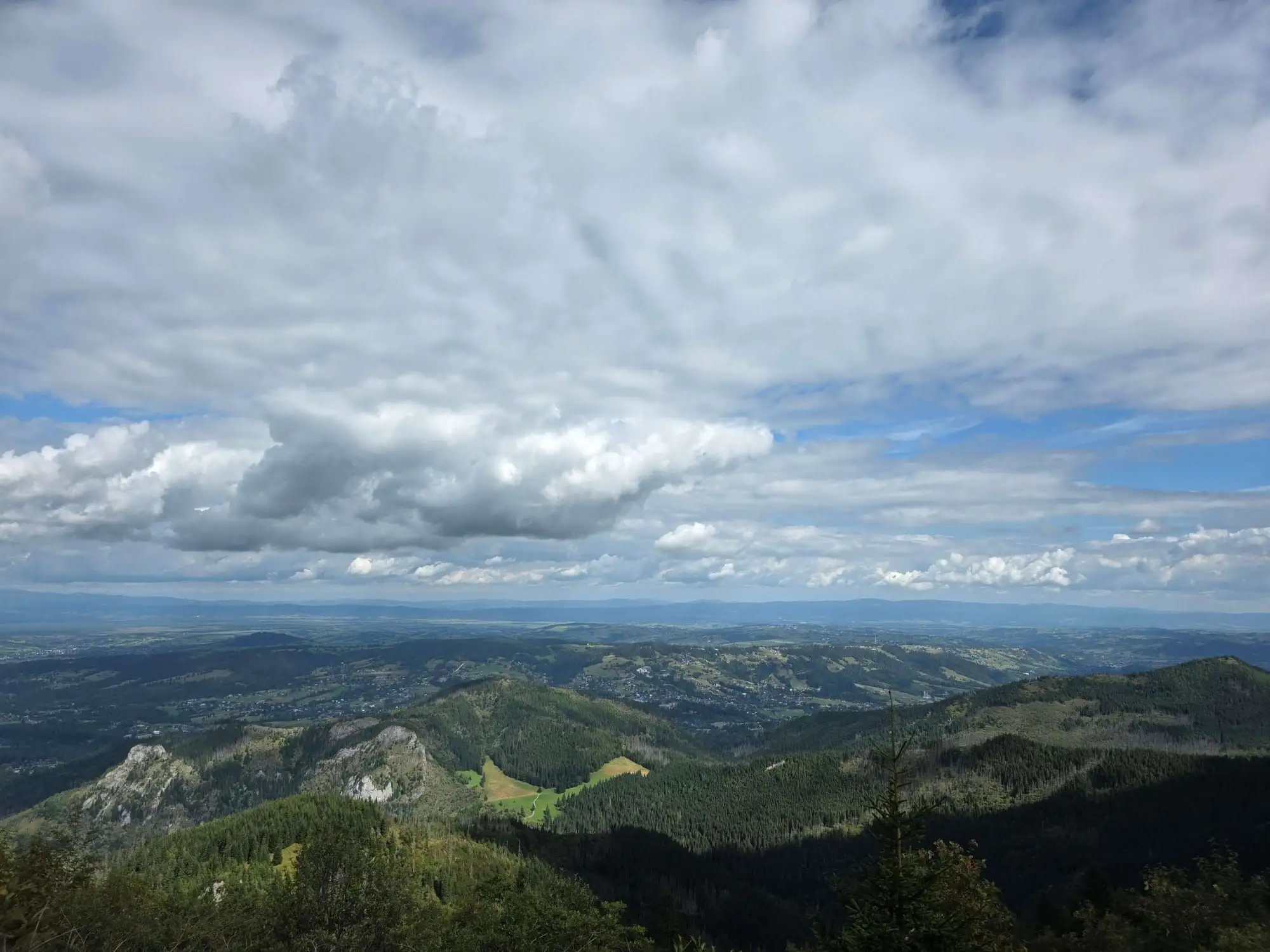
Start: Kiry · via The four 2,000-metre peaks and Ciemniak and Krzesanica
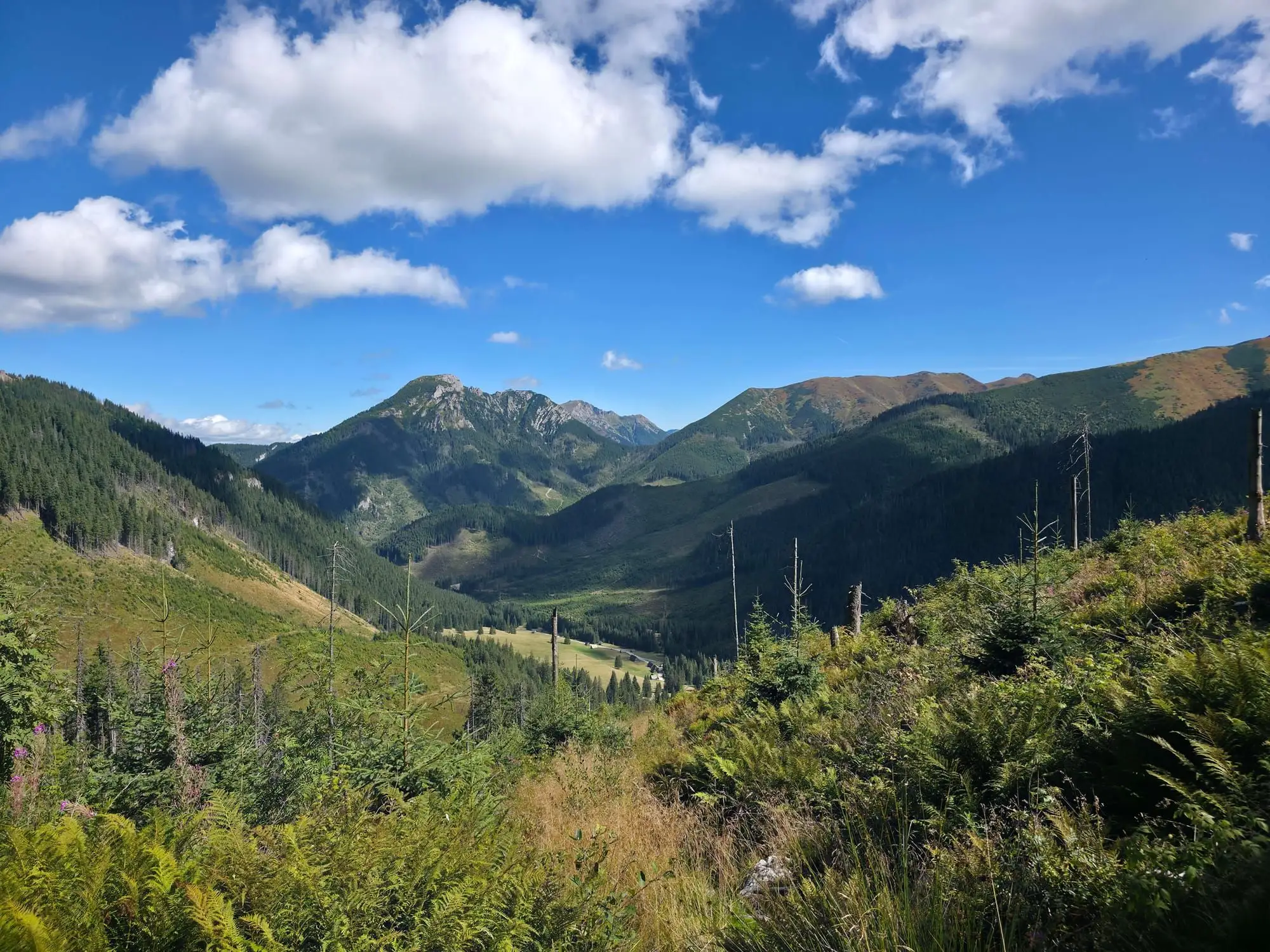
Start: Siwa Polana (Chochołów Valley) · via Panorama of the Slovak Roháče and The mountain hut at Chochołów Glade
Start: Siwa Polana (Chochołów Valley) · via Panorama of Jakubina and Cliffs above Jamnicka Valley