I ate, I paid, and I didn’t go broke. Where to eat after hiking in Zakopane?
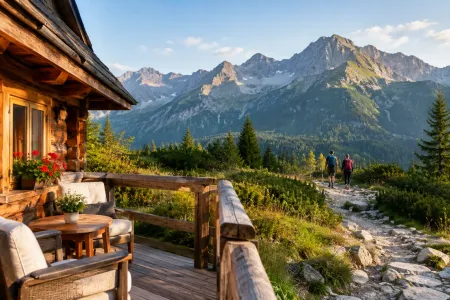
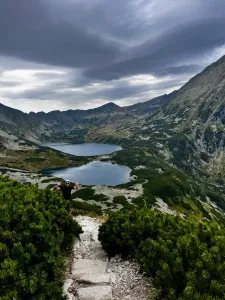
You know the feeling. You come back from Czerwone Wierchy or after summiting Giewont. Your boots feel like lead, and your stomach growls so loudly you might as well be heard by bears in the Valley of Biały. All you want is one thing: a big, greasy, hot meal.
Zakopane is a culinary jungle. You can eat exceptionally well and cheaply (for today’s standards), but you can also end up in a restaurant on Krupówki where you’ll get a microwave-reheated cutlet priced like a dinner in Dubai.
Here’s a quick guide to what to eat — and what (and where) to avoid.
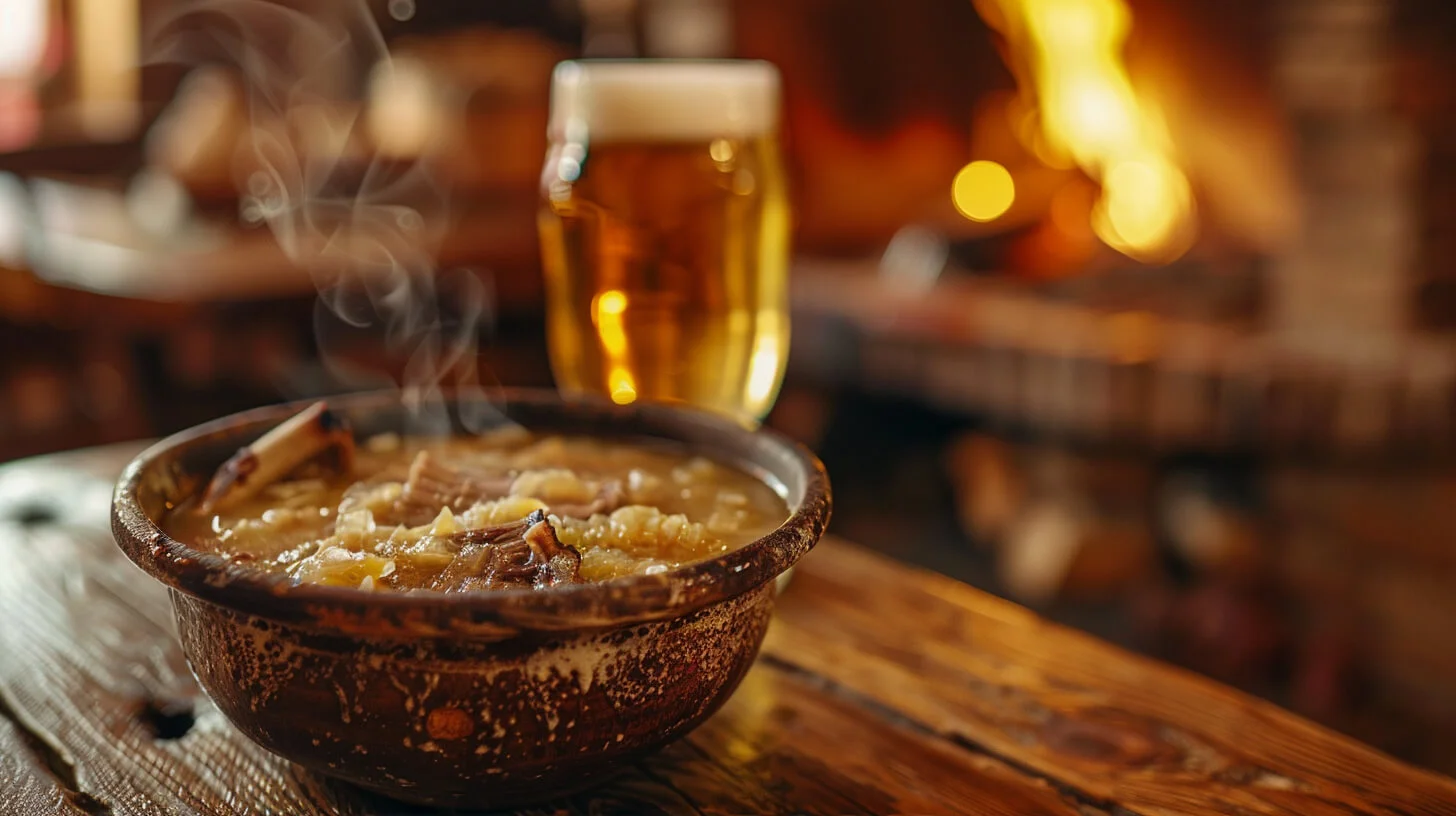
1. Kwaśnica (Podhale’s Holy Grail)
Don’t mix it up with kapuśniak! Real kwaśnica should sting your face with sourness, contain zero carrots or other vegetables (just sauerkraut cabbage, potatoes, and the juice from fermentation), and it must include smoked ribs or lamb.
When to eat it: When you’re chilled (for example after a winter walk to Morskie Oko). It works better than a furnace.
Where to look: On smaller side streets (e.g. Jagiellońska Street, Kościeliska Street) instead of the biggest inns with loud music. Great soup is often served… at petrol stations (I’m not kidding — local stations sometimes have their own “for locals” food options).
2. Mountain trout (instead of supermarket salmon)
Forget about sea fish under Giewont. You’re in the mountains — you drink water from streams here, and trout swim in it.
Golden rule: the fish should come from local farming (ask the waiter). The best option is the simplest one — pan-seared, with garlic butter and dill. It’s a light, ideal protein for rebuilding muscles after Kościelec.
3. Oscypek (how not to get stuffed in a bottle)
You walk along Krupówki and see 50 stalls. It all looks the same. True or false?
Brutal truth: 90% of what you see on summer stands is “mountain cheese” (mostly made from cow’s milk).
Real OSCYPEK (Protected Designation of Origin) is made from sheep’s milk. It’s available only during the sheep milking season (usually May–October). It’s firmer, sharper in taste, and more expensive.
Where to buy: Directly from the shepherd (“baca”). Go to Rusinowa Polana or the Kościeliska Valley and buy from a hut where the sheep are grazing. It tastes 10 times better.
4. Moskol (Podhale street food)
Forget about zapiekanki. If you want a quick bite, look for moskoli. These are traditional griddle-baked patties made from boiled potatoes, flour, and water.
They’re best served with plenty of garlic butter or “bryndza” (sheep’s milk cheese). They’re light, but they keep you full until the end of the day.
What to avoid like fire? (Tourist traps)
“Goral pizzeria with kebab” — if the menu has sushi, pizza, burgers, pad-thai, and kwaśnica… run. Someone’s reheating frozen food in the back.
Inns with a “pitchman” — if a man in traditional highlander clothing runs onto the street and grabs you by the sleeve promising a free “little glass”, skip it. Good food speaks for itself, and people often wait in line there for a table.
No pricing by fish/meat weight: You order “ham hock”, and on the receipt you find out the portion weighed a kilogram because they charge per each 100 grams. Always ask about the approximate size and the final price!
Food after the mountains is a reward. Celebrate the moment, avoid chains (you have those at home), and give smaller, slightly “hidden” places a chance. Enjoy your meal!

 2026-09-19
 2026-08-20
 2026-05-17
 2026-09-28
 2026-09-27
 2026-09-26
 2026-09-25
 2026-09-24
 2026-09-23
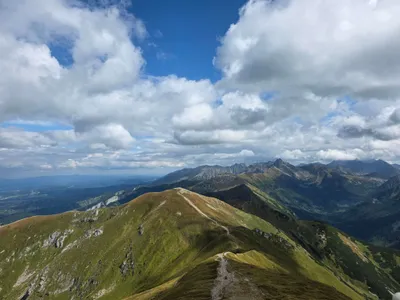 Distance: 18.5 kmDuration: 8 h 09 min
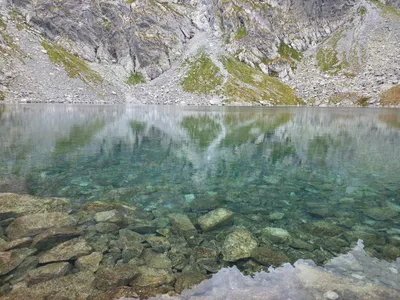 Distance: 24.7 kmDuration: 7 h 38 min
 Distance: 16.5 kmDuration: 5 h 45 min
 Distance: 6 kmDuration: 3 h 15 min
 Distance: 18.1 kmDuration: 6 h 50 min