ranking
The most beautiful meadows of the Western Tatras - 7 routes
The most beautiful meadows of the Western Tatras mean views, quiet and strong goals for a day. Check the routes, the season, the effort and how to head out safely.
The finest waterfalls in the Tatras: the routes, the walking times, the difficulty, and how to pick a goal without the crowds, the mud and the stupid risks along the way.
Author: Konrad Leśniak8 min read
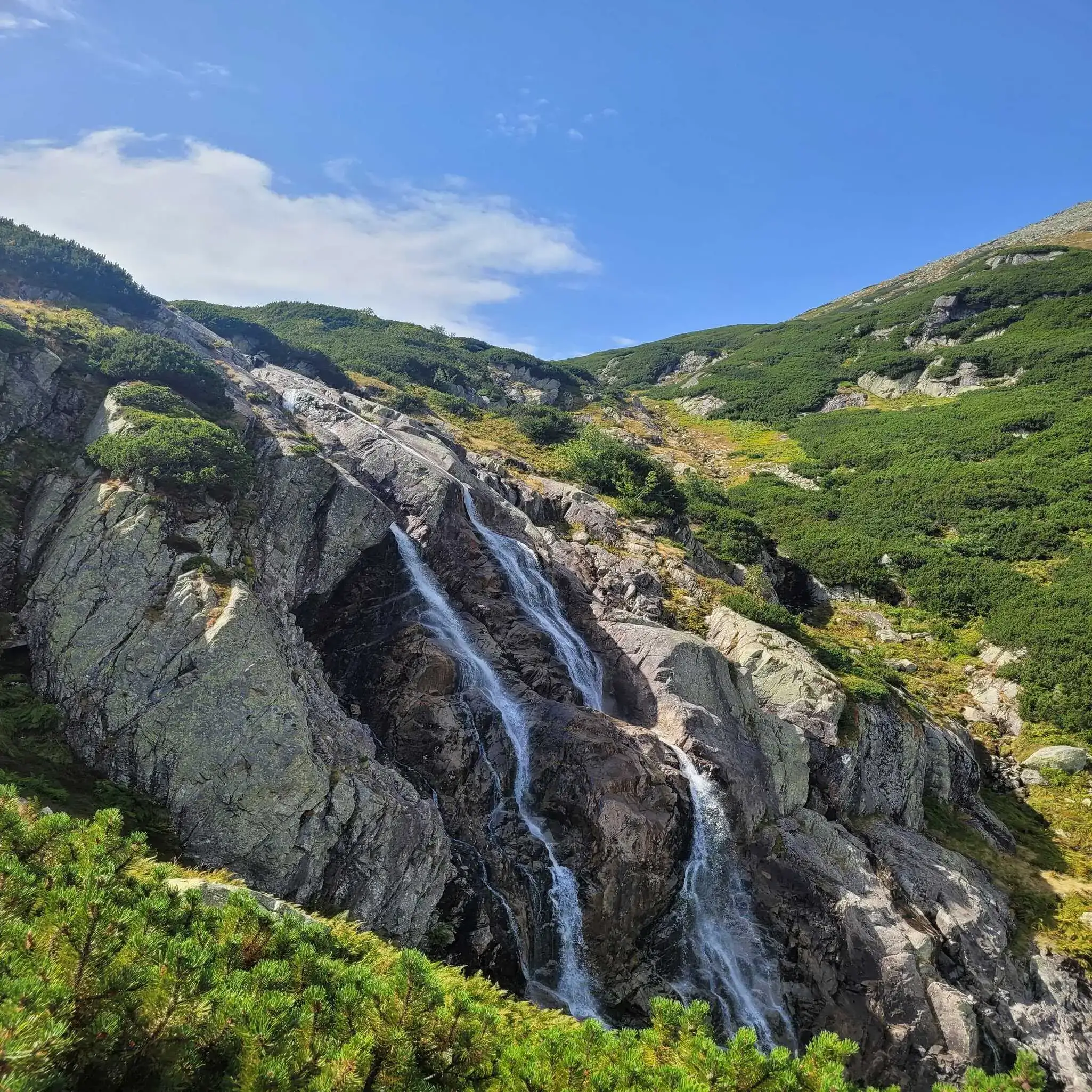
Waterfalls in the Tatras are not an attraction to tick off between an oscypek and Krupówki. A short, easy walk often leads to them, and sometimes the roar of the water is the reward after several hours of walking, in the rain, on slippery stones, and in a crowd bigger than the queue for a mountain hut. The choice matters, especially if you are travelling with children, you have one day of decent weather, or you want to avoid walking in a human snake.
The best rule is simple: do not hunt for the largest number of waterfalls. Pick one, match the route to your fitness and the forecast, and leave the rest of the day for a safe return. The Tatras will not take offence if you do not see everything at once.
A waterfall after several days of rain looks impressive, and that is exactly when the approach can be at its worst. Wet limestone and granite can be as slippery as soap, and the streams rise faster than many walkers assume. In a dry summer, on the other hand, some cascades clearly lose their force. Photos online usually show the best possible version, not necessarily the one you will find at noon in August.
On the Polish side it is easiest to combine a waterfall with a classic valley. The Slovak side gives you more quiet, longer valleys, and a few genuinely striking goals, but it needs a better logistics plan. Below are seven places that make sense as a specific trip, not as a random stop.
This is the simplest choice for people staying in Zakopane, families with children, and anyone who wants to see powerful water without a full day of shuffling. From the car park at Palenica Białczańska you walk an asphalt road for about an hour one way. The route is not technically difficult, but do not be fooled by the word “asphalt”. The return is uphill and it can tire you, and in the season the traffic sometimes feels like walking in a column.
Wodogrzmoty are not one vertical waterfall. They are a series of cascades on Potok Roztoka. They look best when the water is high, when the noise drowns out conversation. You can sensibly combine them with a further walk into Dolina Roztoki or to Morskie Oko, but only if you have the time and the legs. Do not add both goals automatically just because “you’re already here”.
Wielka Siklawa, usually just called Siklawa, falls from the step of Dolina Pięciu Stawów into Dolina Roztoki. It is about 70 metres high, and it is one of those views worth getting up before dawn for. It is also a demanding goal: from Palenica Białczańska you should count on a full day, usually about 7-9 hours of walking, depending on the variant, the pace, and the breaks.
The most popular loop goes through Morskie Oko, Świstówka Roztocka and Dolina Pięciu Stawów, and returns through Dolina Roztoki. It is an excellent route for views, but Świstówka has exposure, and it is not a good place for getting over a fear of heights, or for a trip in a storm. The safer, if less varied, option is to go up through Dolina Roztoki and come back the same way.
Do not walk up to the face of the waterfall off the marked trail. The stones there are wet, and one slip is enough to turn a beautiful day into a very stupid problem. Siklawa is not the place for sandals, white trainers, or posing on the boulders for a photo.
Siklawica in Dolina Strążyska is worth choosing when you want to show someone the feel of the Tatras without giving them an eight-hour lesson in humility. From the entrance to the valley, the walk to the waterfall usually takes 45-60 minutes. The trail is easy, though after rain it can be muddy and slippery, and the last stretch needs ordinary care.
It is a good idea for a quiet morning, or for the day after a long route. In the package you get forest, a stream, rock walls, and the characteristic view of Giewont. In the season, do not count on solitude. If you want quiet, leave early, ideally before nine.
Dolina Roztoki often loses in people’s plans to Morskie Oko, because it has no single point as recognisable as the surface of the lake. That is a mistake. Potok Roztoka forms many steps and cascades along the way, and the walk from Wodogrzmoty towards Dolina Pięciu Stawów is much more interesting than the name “a valley approach” suggests.
This is not a goal for someone who wants to walk five minutes from the car park and turn round. The variant to the hut in Dolina Pięciu Stawów is a full-day trip, with a clear climb in the upper part. In good weather, though, you get a route where the water is with you for almost the whole day, not only for a moment by the railing.
On the Slovak side, a very good choice is the Cold Water waterfalls below Hrebienok. You can walk there from Starý Smokovec, or shorten the climb with the funicular to Hrebienok and continue on foot. That lets you match the route to different abilities, from a short walk to a pleasant loop of a few hours through the mountain huts and the valley.
The place has several cascades, so do not expect one spectacular vertical drop. Its strength is the whole valley: granite boulders, forest, the sound of the stream, and views of the high summits when the cloud kindly parts. In damp weather the stone steps and the roots are treacherous. A boot with a good sole makes a bigger difference here than the latest jacket that cost a fortune.
Vodopád Skok in Mlynická dolina, near Štrbské Pleso, is one of the best Slovak options for an active half-day. The way there and back usually takes about 4-5 hours. The trail does not need climbing skills, but it is stony, and the last part can be tiring for people without mountain experience.
The waterfall itself falls down a broad rock wall, and it shows well how quickly the character of the landscape changes in the Tatras. You start in an area with convenient facilities, and a little later you have stones under your feet and real high-mountain surroundings above you. That does not mean you can ignore the weather. The valley is open, so a storm caught high up is a terrible scenario.
Kmeťov vodopád in Nefcerská dolina is for people who have the fitness, like long valleys, and do not need a café or a mountain hut every half hour. It is regarded as the highest waterfall in Slovakia, but the way to it is long. Depending on the start and the variant, you should prepare for about 8-10 hours away from the car.
This is exactly the kind of place you should not squeeze into the plan “because it is the biggest”. If the forecast is uncertain, the day is short, or your group is only just getting to know the mountains, choose Skok or the Cold Water waterfalls. Kmeťov tastes best without a rush, with time to spare, and with a plan to turn back before dusk starts hurrying your steps.
Before you leave, check the park notices, the conditions on the specific trail, and the forecast for the height you are going to. In the Tatras, “it is not raining in Zakopane” has limited value when a dark wall of cloud is building over Dolina Pięciu Stawów. On a longer route, take water, food, an insulating layer and a waterproof one, a charged phone, and a paper map or one saved offline. A phone with no signal and five per cent of battery is only an expensive camera.
Waterproof boots are not compulsory in every little valley, but a grippy sole practically always is. Walking up to a cascade on wet stones in town trainers is not “courage”. It is asking for a twisted ankle. With children, keep the pace slower but steady, and do not let them run on the slippery boulders by the stream.
In winter most of these places change character. Ice, snow, icy steps, and a shorter day call for microspikes, experience, and an honest judgement of the conditions. On the Slovak trails, also remember the seasonal closures of some routes. Always check the exact limits before you travel, not at the board when you are about to start.
If you have only one day, choose the waterfall that fits the weather and your group, instead of trying to prove something to the map. The best mountain memories usually do not come from the longest plan. They come from coming back tired, dry underneath, and with enough strength left for the next day.
Newsletter
A few times a year: trail conditions, closures, the best time to go and new routes. No weekly spam.
The most beautiful meadows of the Western Tatras mean views, quiet and strong goals for a day. Check the routes, the season, the effort and how to head out safely.
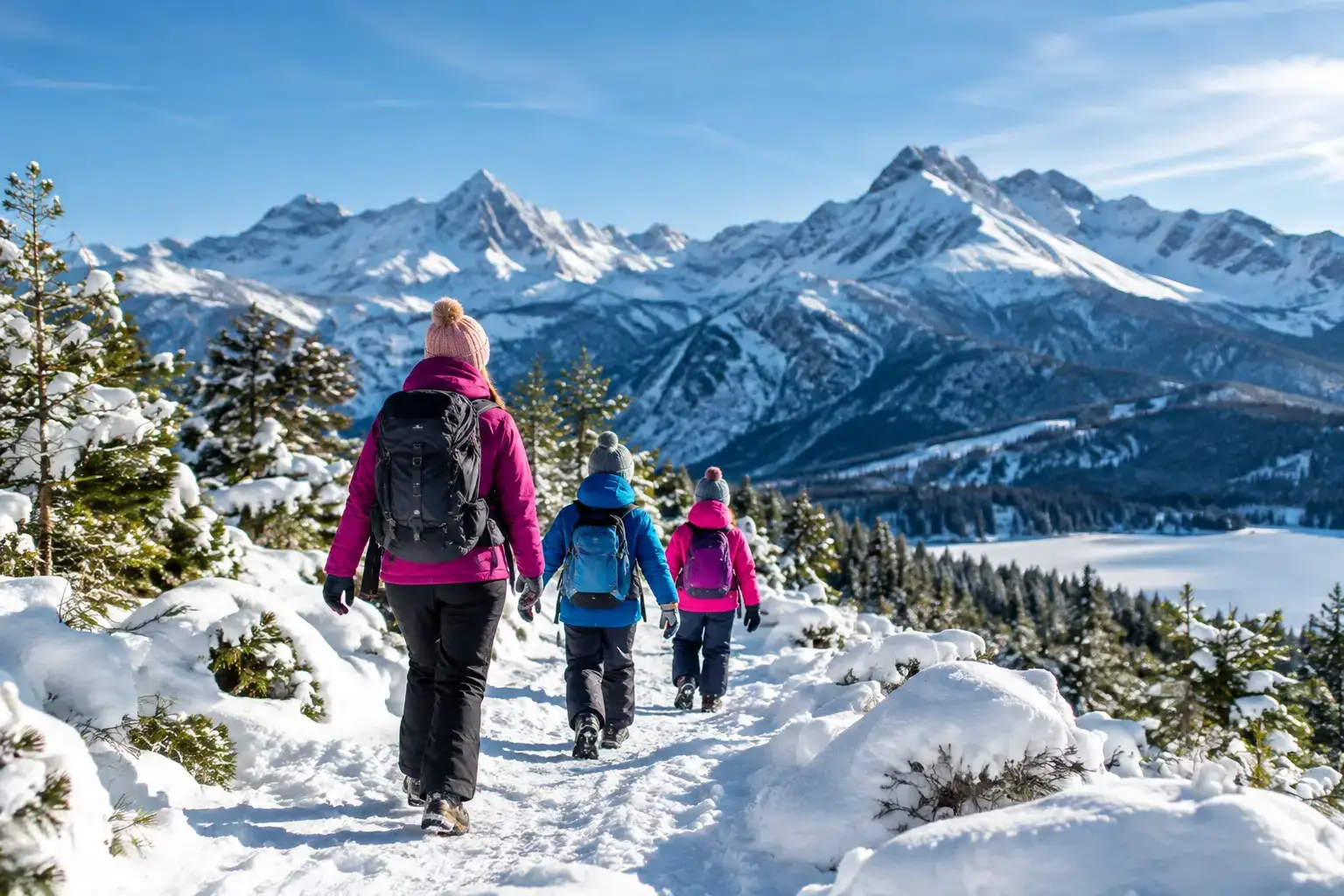
See where to go in the Tatras in winter with children, safely: valleys, meadows and places in Slovakia, plus how to pick a route for a family day in good conditions.
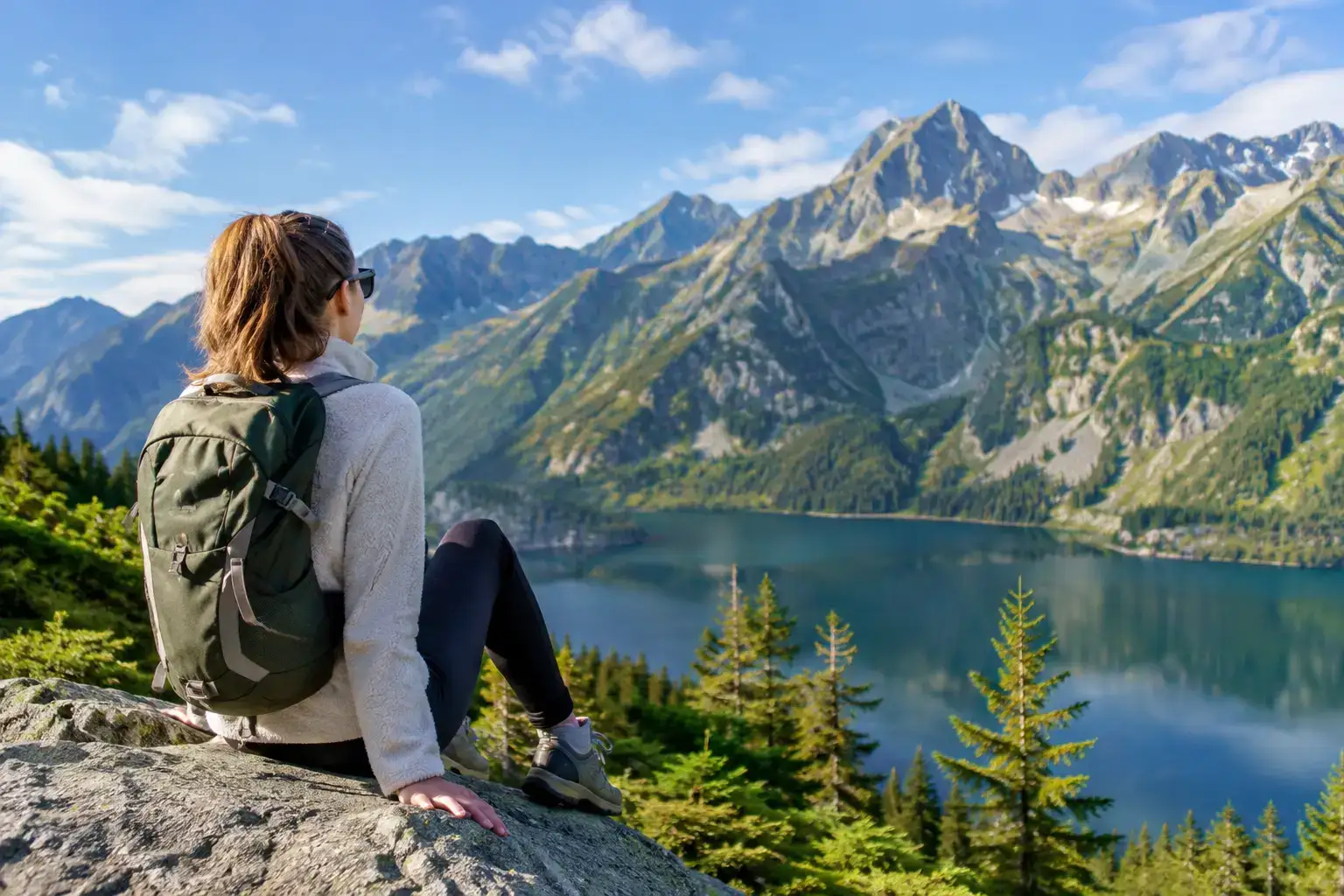
Tatra sights with little effort: reliable places, cable cars and short walks when you want to see the mountains without a long hike or extra risk.
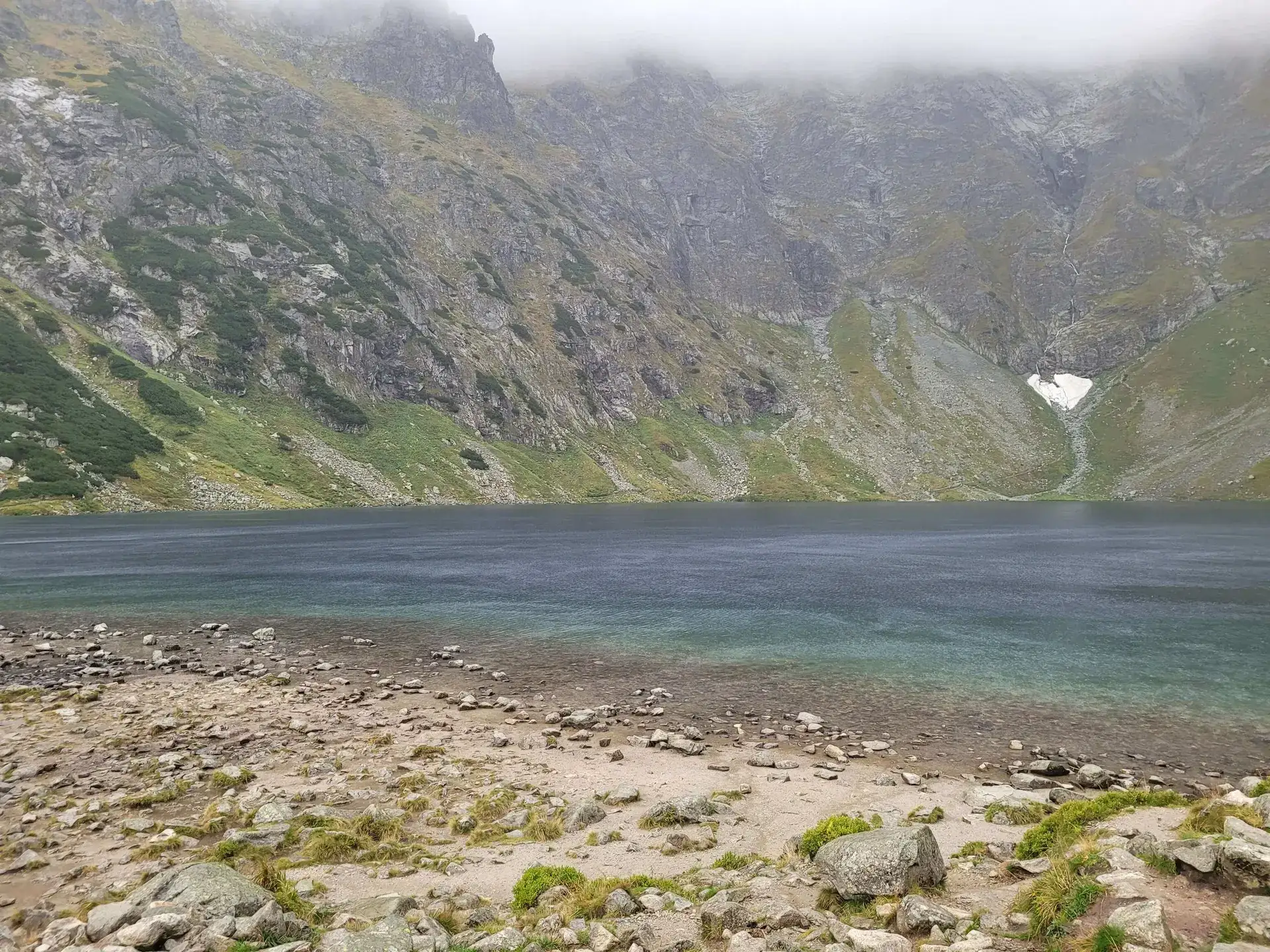
Start: Palenica Białczańska · via Views of Morskie Oko from above and The shadow of Rysy and Kazalnica
Start: Kiry (Kościeliska Valley) · via Views of Starorobociański Wierch and Kominiarski Wierch within arm’s reach
Start: Palenica Białczańska · via Poland’s largest waterfall (70 m) and The lake-wall drop