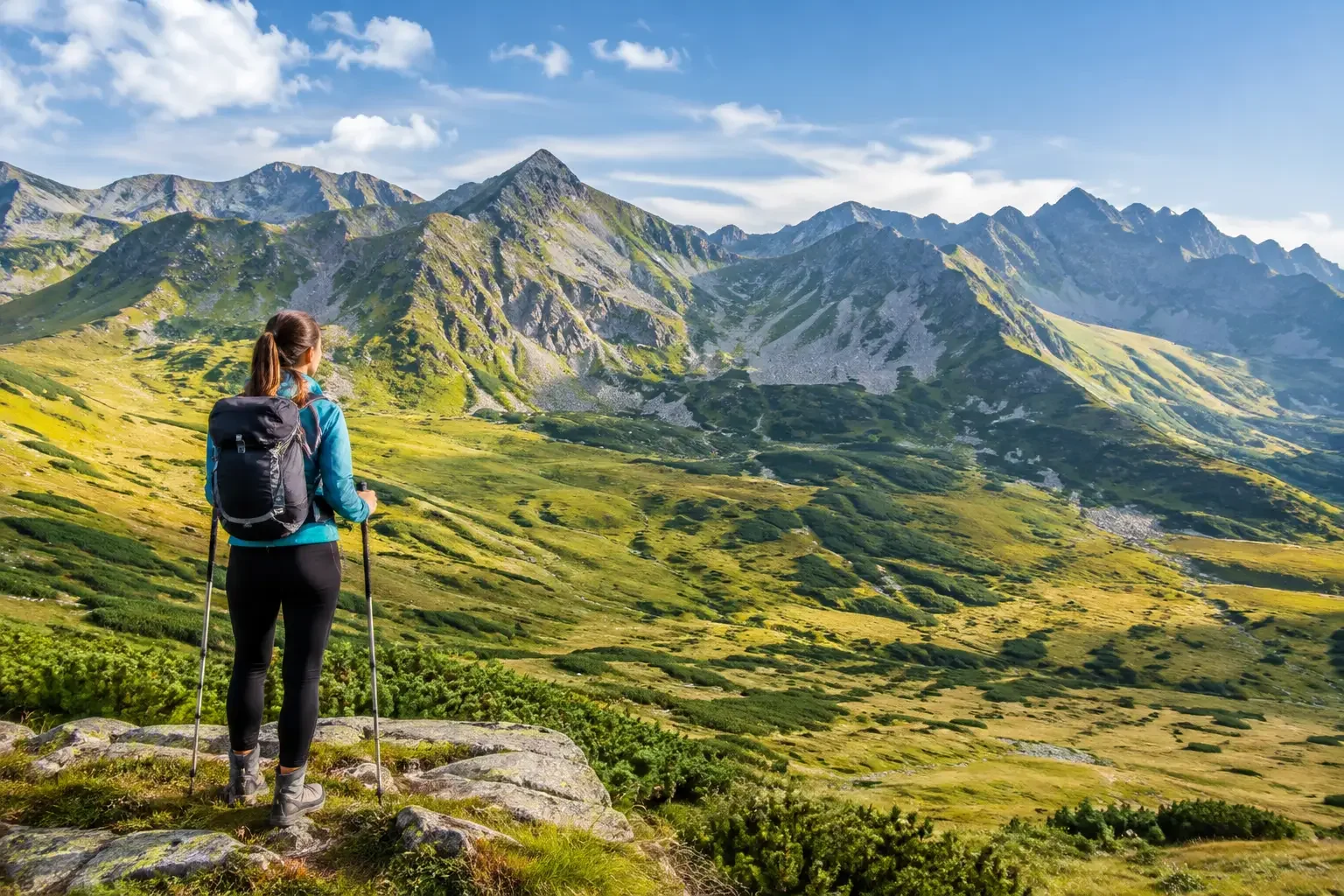
Not every trip in the Western Tatras has to end in a fight for the summit, a soaked shirt and a descent in the dark. The most beautiful meadows of the Western Tatras give you something a ridge often lacks: space, a view of the mountains without staring only at your feet, and a route you can honestly match to the group’s fitness.
That does not make them automatically easy. A valley can drag on for kilometres, the climb to a meadow can be real work, and rain turns an ordinary path into a muddy obstacle course. Still, these meadows are an excellent choice for the first day after you arrive, a family walk, a recovery day after an ambitious route, or a plan B when the higher ground disappears into cloud.
The most beautiful meadows of the Western Tatras: 7 good goals
None of the places below were picked only for a photo. Each one makes sense as the point of a trip, and each one asks for a slightly different kind of planning.
1. Polana Chochołowska - a classic that still works
Polana Chochołowska is large, open and ringed by a wall of peaks. From here you can see Kominiarski Wierch, Bobrowiec and the ridge of Grześ, among others. There is a mountain hut, room for a longer rest, and crocuses in spring. That is exactly why, on a sunny weekend, the meadow can feel like a promenade, only with a better view.
From Siwa Polana you have about 7.5 km each way. The route is technically easy, but the distance does the work, especially if someone planned only a light stroll. In season, start early or pick a weekday. If you are going with children, judge honestly whether they have the strength for the return. Enthusiasm at the start is not a reliable measure of fitness after fifteen kilometres.
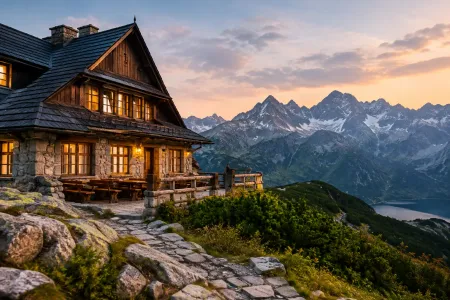
Hala Ornak, by the hut in Dolina Kościeliska, has a very Tatra character: wooden buildings, open grassland and huge slopes above the valley. The massifs of Czerwone Wierchy rise overhead, and you immediately see why more ambitious hikers use this area as a starting point.
From Kiry to the meadow usually takes 1 hour 40 minutes to 2 hours. The pace is set not by technical difficulty, but by the distance, the stones on the path and the crowds. Dolina Kościeliska is one of the most popular valleys in the Polish Tatras, so on a long weekend you can get stuck in a long line of people. For some quiet, pick the morning, autumn, or less obvious weather. Skip heavy rain, though. Then the rocky sections and the mud take the pleasure out of it.
3. Hala Kondratowa - short, but not quite a stroll
Hala Kondratowa sits below Giewont and offers one of the best ratios of view to effort near Zakopane. From the meadow the north walls of Giewont look superb, and the place has a clear high-mountain feel despite a relatively short approach.
From Kuźnice the walk most often takes about 1 hour 15 minutes to 1 hour 30 minutes. It suits people who do not want to march for half a day, but do not treat it like a walk along Krupówki. The climb is steady, rocky in places, and slippery after rain. Boots with a decent sole are common sense here, not mountain fashion.
Hala Kondratowa works well as a morning before a longer trip only when that next goal is actually realistic. Bolting Giewont, Kasprowy and the return to Zakopane onto the plan of someone without experience is a simple recipe for a late, tired descent.
4. Polana Pisana - best for an unhurried pace
Polana Pisana in Dolina Kościeliska does not require the walk all the way to Ornak, and it still lets you feel the scale of the valley. It sits near distinctive rock formations and cave entrances, so it works well as a family goal or a slow day with stops along the way.
From Kiry you will get here in roughly an hour, depending on pace and how often you stop. It is a good option for beginners, on one condition: an easy trail does not excuse ignoring the forecast. When the valley turns cold and wet, children and people standing for a long time at the sights get cold faster than they expect.
5. Hala Stoły - a view you pay for with the climb
Hala Stoły is not a place for idle shuffling. It lies high above Dolina Kościeliska, and the path to the meadow is short only on the map. In practice it is a steep, serious climb through the forest, after which your calves quickly remember that the Western Tatras can be demanding too.
The reward is quiet and a wide view over the valley and the peaks around it. It is a good goal for a fit person who has a few hours and does not need to bag a summit at all costs. The trail to Hala Stoły is sometimes closed for the season, so always check the current Tatra National Park notices before you go. Do not plan the route from an old track saved in an app. The mountains are under no obligation to match a line recorded two years ago.
6. Hala Smytnia - a quieter alternative to Kościeliska
Dolina Lejowa and Hala Smytnia are for people who want a break from the loudest Tatra classics. There is neither the scale of Chochołowska nor a hut at the end of the walk. There is forest, a meadow and a clearly calmer rhythm.
The approach from the entrance to Dolina Lejowa is gentle and usually takes about an hour. It is a sensible idea on a cloudy day, when the high views disappear into the white anyway, or for a group of mixed fitness. Bring your own flask and food. A lack of facilities is an advantage only if you are not counting on tea and apple pie around the next bend.
Polana Trzydniówka lies further up Dolina Chochołowska, on the route towards Jarząbcza. It is less spectacular than Polana Chochołowska itself, but it has something valuable: the feeling that the valley is starting to belong to the mountains, not to a school trip with a megaphone.
It is a good variant for people who already know the main meadow, or who want to extend the walk without stepping into difficult ground. The walk is long, so when you plan, do not look only at the elevation gain. A flat valley can tire your feet just as effectively as a climb, especially in new boots, or with a child who from the third kilometre starts negotiating the terms of the return.
How to pick a meadow so the trip does not disappoint
First decide what you actually want. If you care about a hut, a wide view and a full day in the mountains, choose Chochołowska or Ornak. If you have less time but still want to feel the Tatra setting, Kondratowa is the better pick. For a calm walk, Pisana and Smytnia work well, while Hala Stoły is for people ready for a harder effort.
The season changes these places more than July photos suggest. In spring, snow can linger higher up, and the crocuses draw crowds. In summer the biggest problems are often storms and car parks bursting at the seams. Autumn usually brings the best visibility and fewer people, but the day is short, and wet leaves plus the first frosts can catch you out. In winter some routes are closed, and an ordinary walk up a valley may call for microspikes, poles and much more caution.
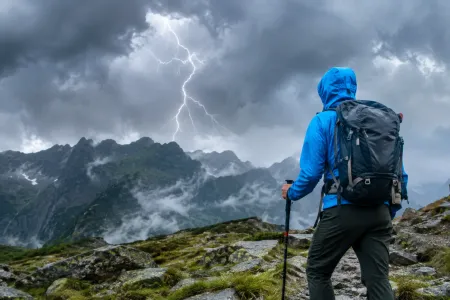
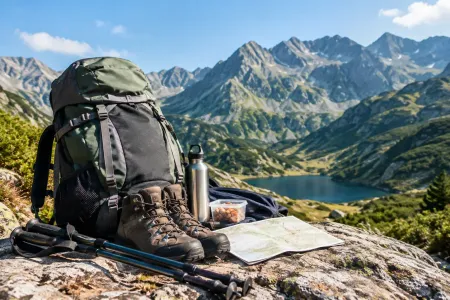
Do not head for a meadow with only a small bottle of water and a good mood. A waterproof jacket, a warmer layer, food, a charged phone and an offline map are the basic kit even for a valley day. A forecast calling for an afternoon thunderstorm is not an invitation to test whether you will make it. It is information to start earlier, pick a shorter goal, or leave it for another day.
The prettiest meadow does not have to be the most popular one, or the highest. Choose a place you will come back from pleasantly tired, not with the feeling that the mountains have just sent you the bill for an overly ambitious plan.

 2026-09-21
 2026-09-20
 2026-10-03
 2026-10-02
 2026-09-30
 2026-09-28
 2026-09-27
 2026-09-26
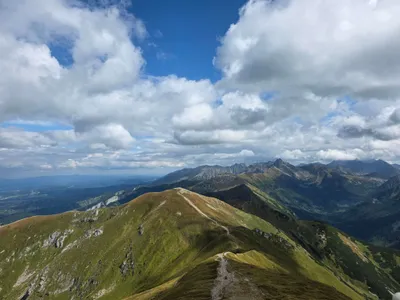 Distance: 18.5 kmDuration: 8 h 09 min
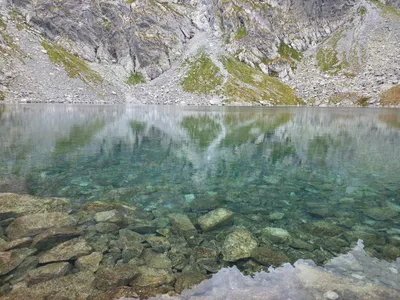 Distance: 24.7 kmDuration: 7 h 38 min
 Distance: 16.5 kmDuration: 5 h 45 min
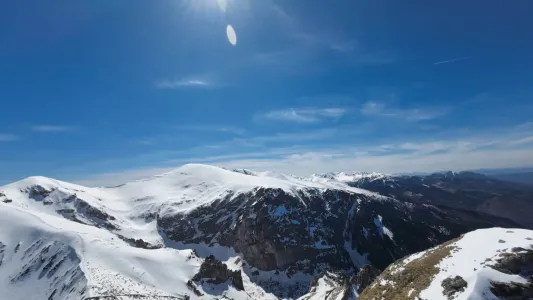 Distance: 6 kmDuration: 3 h 15 min
 Distance: 18.1 kmDuration: 6 h 50 min