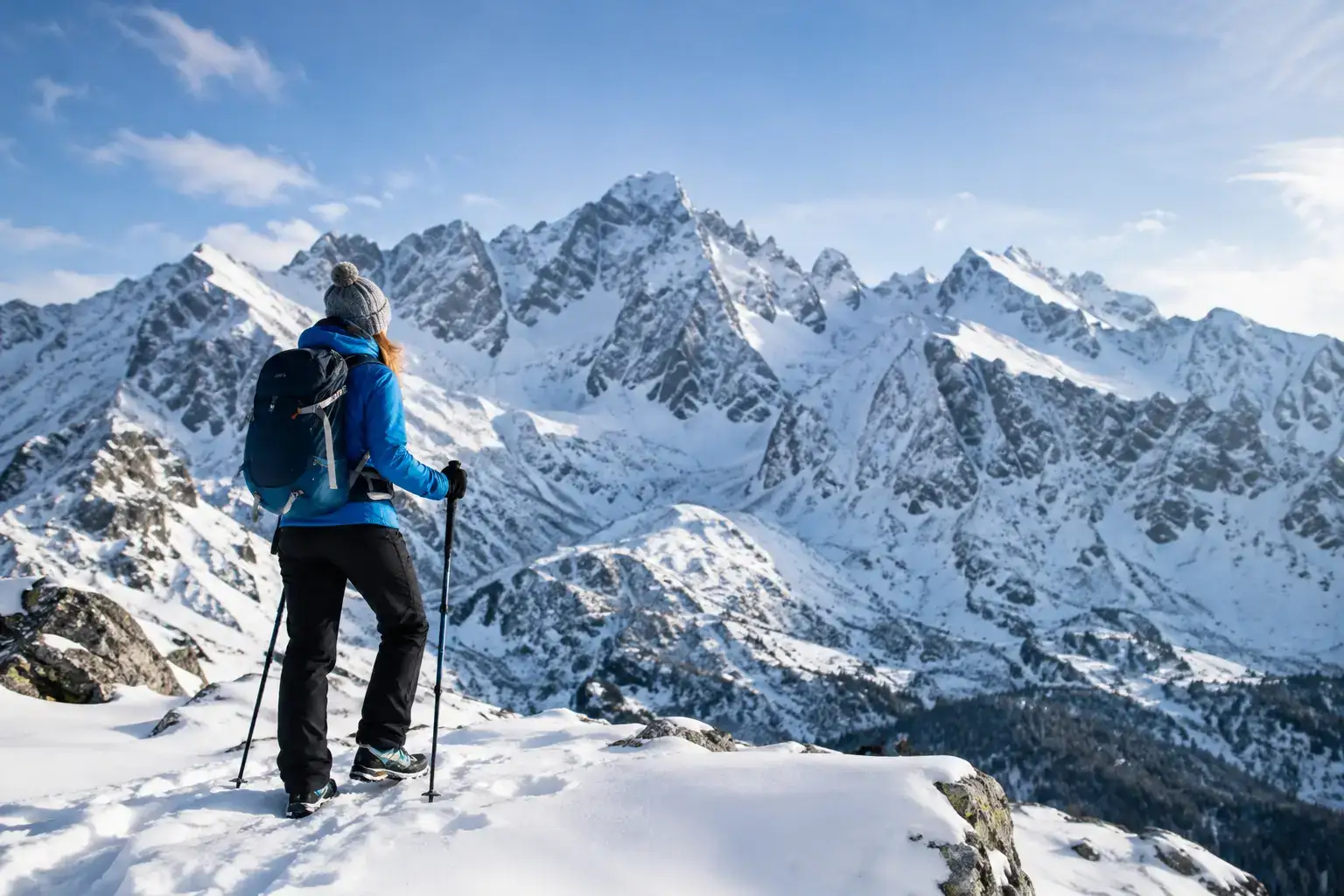
winter
The Tatras in winter without crampons - which routes to choose?
The Tatras in winter without crampons? See which valleys and trails make sense, when to leave it, and how to judge the snow, the ice, the weather and your own boots.
The quietest trails in the Tatras outside the season: pick the route, the date and the kit so you miss the crowd without a stupid risk.
Author: Konrad Leśniak7 min read
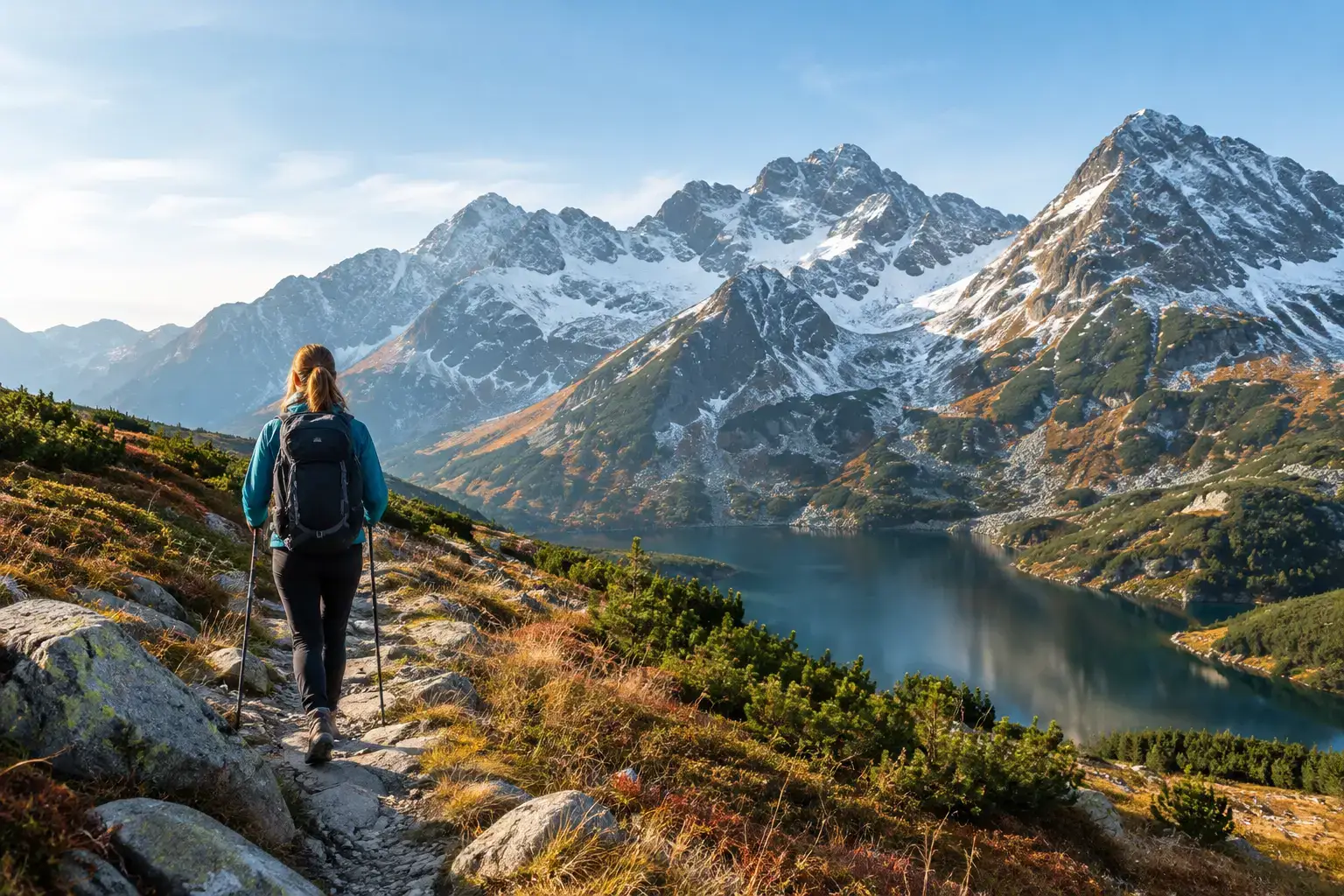
On a Saturday in July, the queue of people on Giewont can look like a badly planned pilgrimage. In November the same area is sometimes almost empty, but that does not mean it automatically becomes easy. The quietest trails outside the season are not only a way to escape the crowd. They are also a different kind of mountain: quieter, harsher, and less forgiving of mistakes.
If you want a calm day in the Tatras, do not hunt only for “secret” places. Those places usually stop being secret after one viral video. It is better to understand when the traffic really drops, which directions make sense on a short day, and why an empty valley after a snowfall can be a worse idea than a crowded trail in summer.
The biggest difference is between the end of October and the start of December, and from mid-March to the end of April. These are the transitional periods: the holidays and the long weekends are already behind you, or still ahead, and the height of the winter ski season has not yet stirred up the traffic on the easy routes. On weekdays, especially on Tuesday and Wednesday, you can then walk a popular valley without constantly passing groups.
There is a catch. Outside the season there is no single, fixed “autumn weather” or “spring weather”. In November it can rain in Zakopane, while hard snow and ice still lie higher up. In April the valleys can be green, while the passes are still in full winter conditions. The calendar does not lead you along the trail. The current conditions, the notices, and common sense do.
Quiet is easiest to find outside weekends, winter school holidays, public holidays, and long weekends. That applies to Slovakia too. Traffic on many routes there is lower than on the Polish side, but on a sunny weekend the popular car parks at Štrbské Pleso, in the Roháče, or at Dolina Białej Wody are not empty either.
Dolina Lejowa does not have the status of a compulsory trophy, so outside the season it often beats its better-known neighbours. It is good for a calm walk, a warm-up after the journey, or a day when the forecast does not encourage height. You will not get rock walls and views from a ridge, but you will get forest, a stream, meadows, and the chance that for a long while you will hear only the water and your own boots.
This direction is for families, for people starting out in the Tatras, and for anyone who wants to walk without the pressure of setting a record. In autumn, watch for wet roots and leaves hiding the stones. In early winter the valley can be icy, so ordinary town trainers are still a terrible idea, even if the route looks innocent.
It sounds contrary, because Chochołowska is associated with a crowd. Quite right. In crocus season, and on fine weekends, there is a human snake there from the entrance almost to the hut. Outside those moments, especially midweek in late autumn, you can walk it in surprising quiet.
The key is simple: do not treat the valley as a stop on the way to taking Grześ, Rakoń, or Wołowiec at any cost. In snow, a strong wind, or low visibility, a sensible trip can end at Polana Chochołowska. That is not a failure. It is a decision that gets you back to the car under your own power, instead of testing the limits of sense on an icy climb.
Kościeliska will rarely be empty, but outside the season it can simply be pleasant. It works best on a weekday, in the morning or in the afternoon, when most visitors are already coming down. It is a logical choice in uncertain weather, because it offers many lengths of trip. You can take a short walk to Polana Pisana, go further towards the hut on Hala Ornak, or turn back when the conditions start to turn.
Do not ignore closures and limits at the caves. After heavy rain, in ice, or in protection periods, the plan may need a correction. In the mountains, “I saw in the photos that you can get in” is no argument at all.
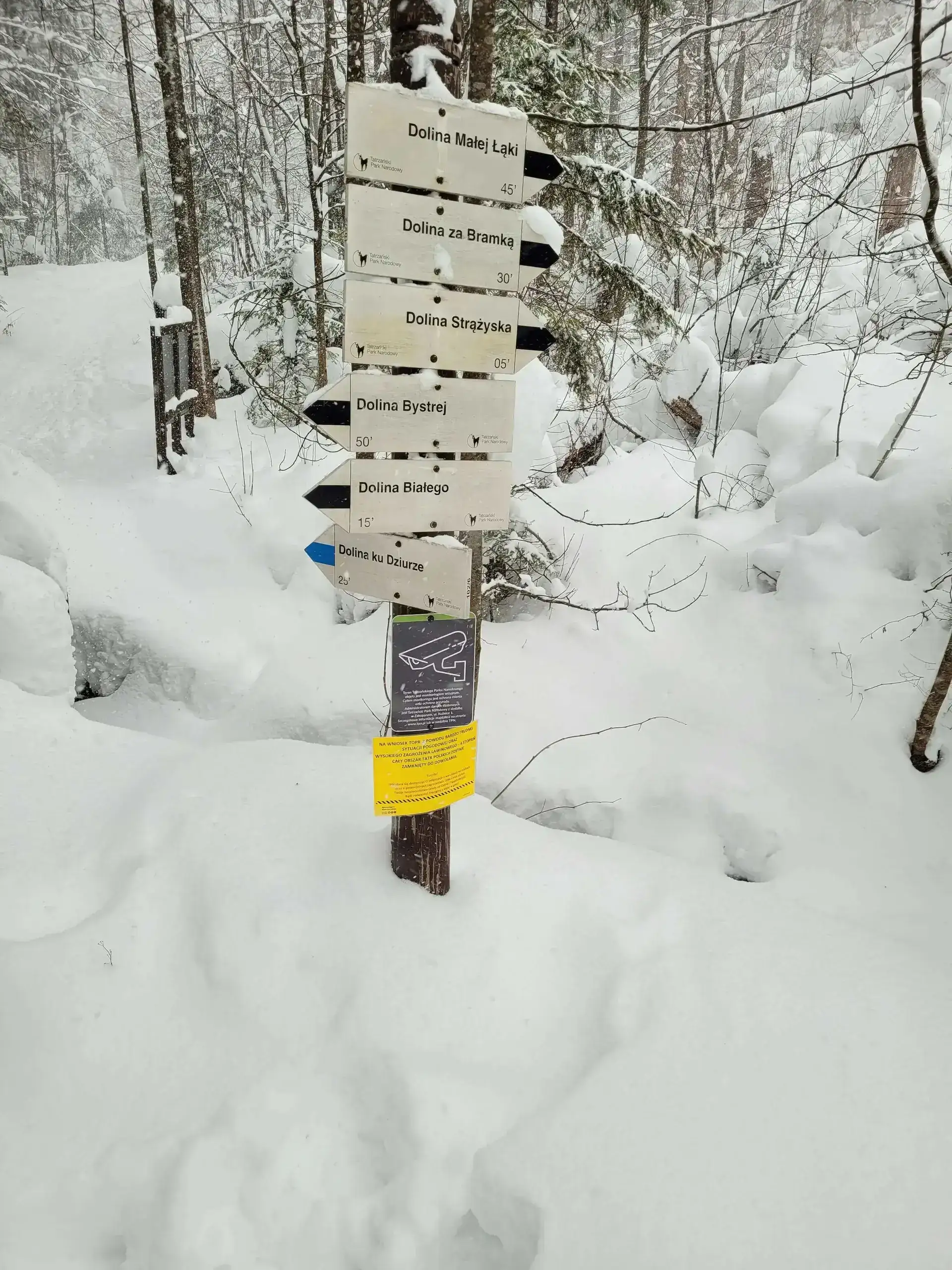
This is a fine answer for people who want to feel open space, but do not need to go high straight away. Dolina Małej Łąki leads through quieter ground than the neighbouring trail to Giewont, and linking it with Przysłop Miętusi lets you build a pleasant loop. On a fine autumn day, the views of Czerwone Wierchy can do the job without a fight for a place on the trail.
Remember, though, that open meadows expose you to the wind quickly. When it blows hard, the feels-like temperature drops at once. A light jacket “just in case” should really be waterproof and windproof, not one that only looks good over coffee on Krupówki.
On the Slovak side it is worth considering the easier sections in the Western Tatras, for example the valleys around the Roháče, if they are open and the conditions allow it. Outside the main season you can find more room to breathe there than on the most popular routes from Zakopane. Do not assume that “fewer people” means better logistics.
Check the car park, the hours the facilities run, any seasonal closures, and the length of the approach. The day is short, and walking back to the car in the dark on a slippery forest path has nothing to do with romance. A headlamp in the pack is a duty, not a gadget for people who like buying kit.
Outside the season, the best way to plan a route is in layers. First choose a basic goal that is safe in an average forecast. Then set a turnaround point and a way to shorten the day. Only at the end consider the more ambitious version, and only if the conditions on the spot are actually good.
Before you leave, check the notices from TPN or TANAP, the forecast for the height and not only for the town, and current photos and reports from the route. A photo from a week ago says little after one snowstorm, a thaw, or an overnight drop in temperature. Treat shaded sections, footbridges, climbs up to a valley step, and descents in the forest with particular care. Ice can lie there for a long time, even when the car park is quite dry.
If snow appears on the route, and you do not have the experience, the right boots, and kit matched to the conditions, stay lower. Microspikes can help on a packed, icy trail, but they do not turn every walker into a winter alpinist. On steep, hard snow you need skill, not optimism.
Less traffic has a price. If you twist an ankle on a popular route in August, someone will probably appear in a few minutes. In an empty valley you may wait much longer. So for quiet trails outside the season, take a charged phone and a power bank, an offline map, a headlamp, a first-aid kit, a warm layer, and spare food. Tell someone where you are going and when you plan to be back.
Do not pack as if for a polar expedition, but do not set off with half a litre of water and one bar either, because “it is only a valley”. The cold raises the energy you spend, and wet gloves can spoil even a short walk. In the Tatras, small things stop being small very quickly.
The best day outside the season does not have to end on a summit, or with a record number of kilometres. Sometimes the most sensible trip is a calm valley, a hot tea along the way, and a return before dusk. The mountains will still be there tomorrow. You have to still be there too.
Newsletter
A few times a year: trail conditions, closures, the best time to go and new routes. No weekly spam.
The Tatras in winter without crampons? See which valleys and trails make sense, when to leave it, and how to judge the snow, the ice, the weather and your own boots.
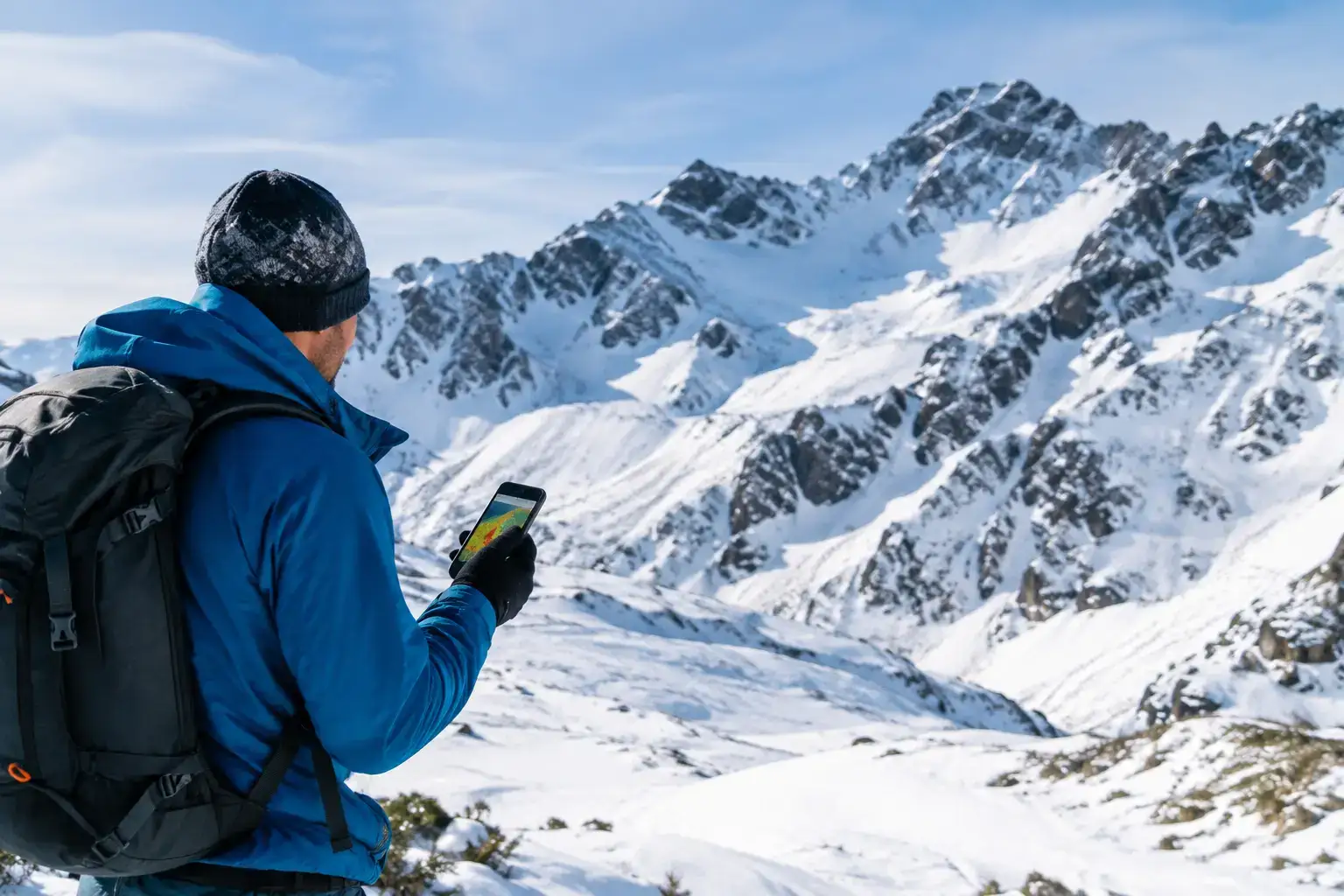
How to read the avalanche bulletin in the Tatras: what the danger level means, what the text, the aspect and the height add, and why the number is not enough on the ground.
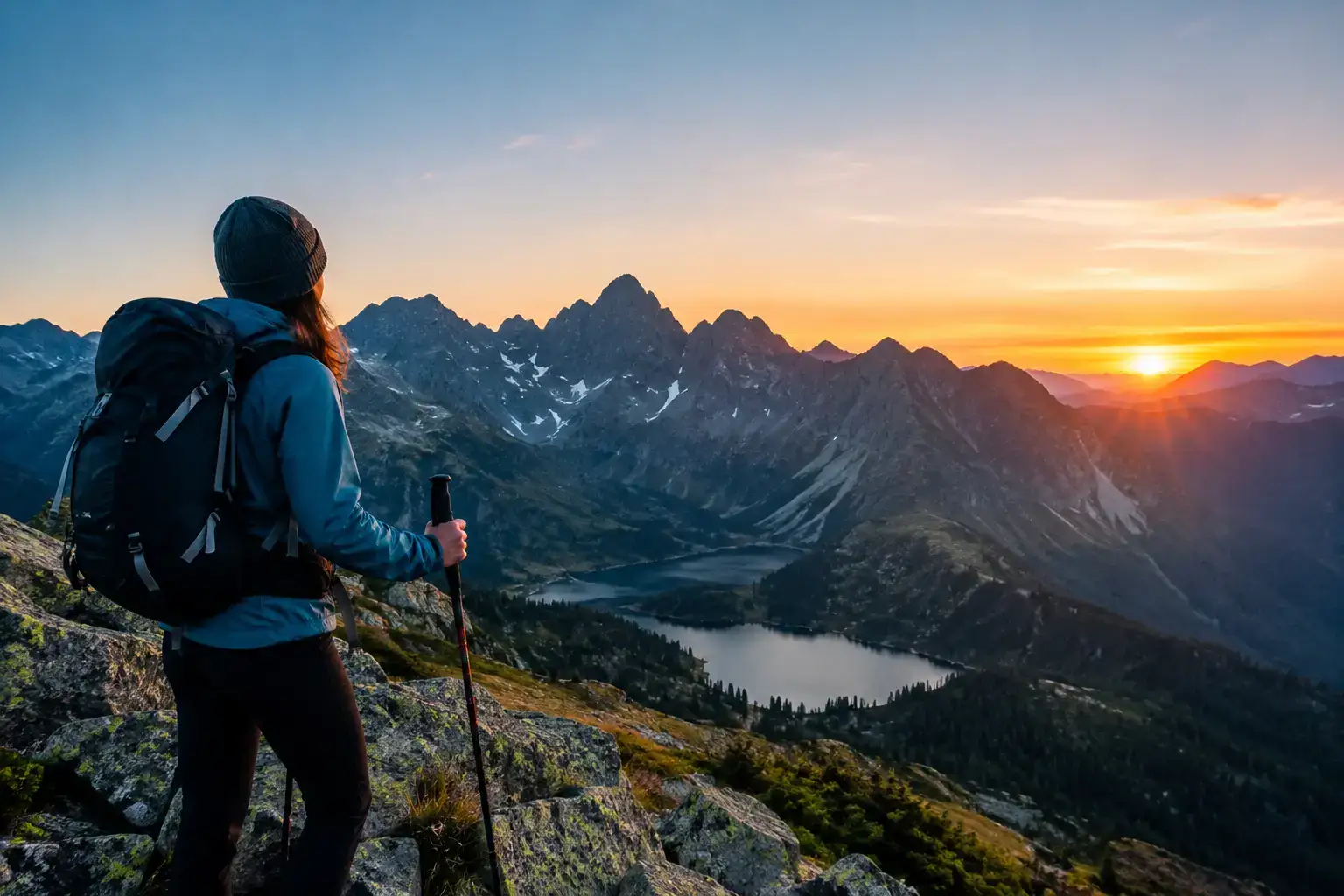
How to plan a pre-dawn start in the Tatras: the wake-up, the car park, the forecast, the kit and a plan B, so an ambitious route starts without chaos or needless risk.
Start: Dolina Białego · via White Stream and Uranium Adits
Start: Siwa Polana · via Chochołowska Glade and The mountain hut at Chochołowska Glade
Start: Gronik · via Wielka Polana Małołącka and View of Giewont
These are affiliate links. If you book a stay or a ticket through them, we earn a small commission, for coffee :), at no extra cost to you.