The question “when does the Kasprowy cable car run” usually comes up when the Zakopane plan already looks perfect: a morning ride up, a panorama, maybe a walk along the ridge, then oscypek and a rest in the afternoon. Kasprowy is not a city attraction with a guaranteed timetable. It is a cable car that works high in the mountains, and wind, a storm, ice, a technical inspection, or simply a crowd of people with the same idea can change how it runs.
If you want to use the ride sensibly, treat it as one part of a mountain day, not as a certainty. A ticket for a set time makes life easier, but it does not give you immunity from a halny wind or a sudden change in conditions.
The Kasprowy cable car - when does it run in practice?
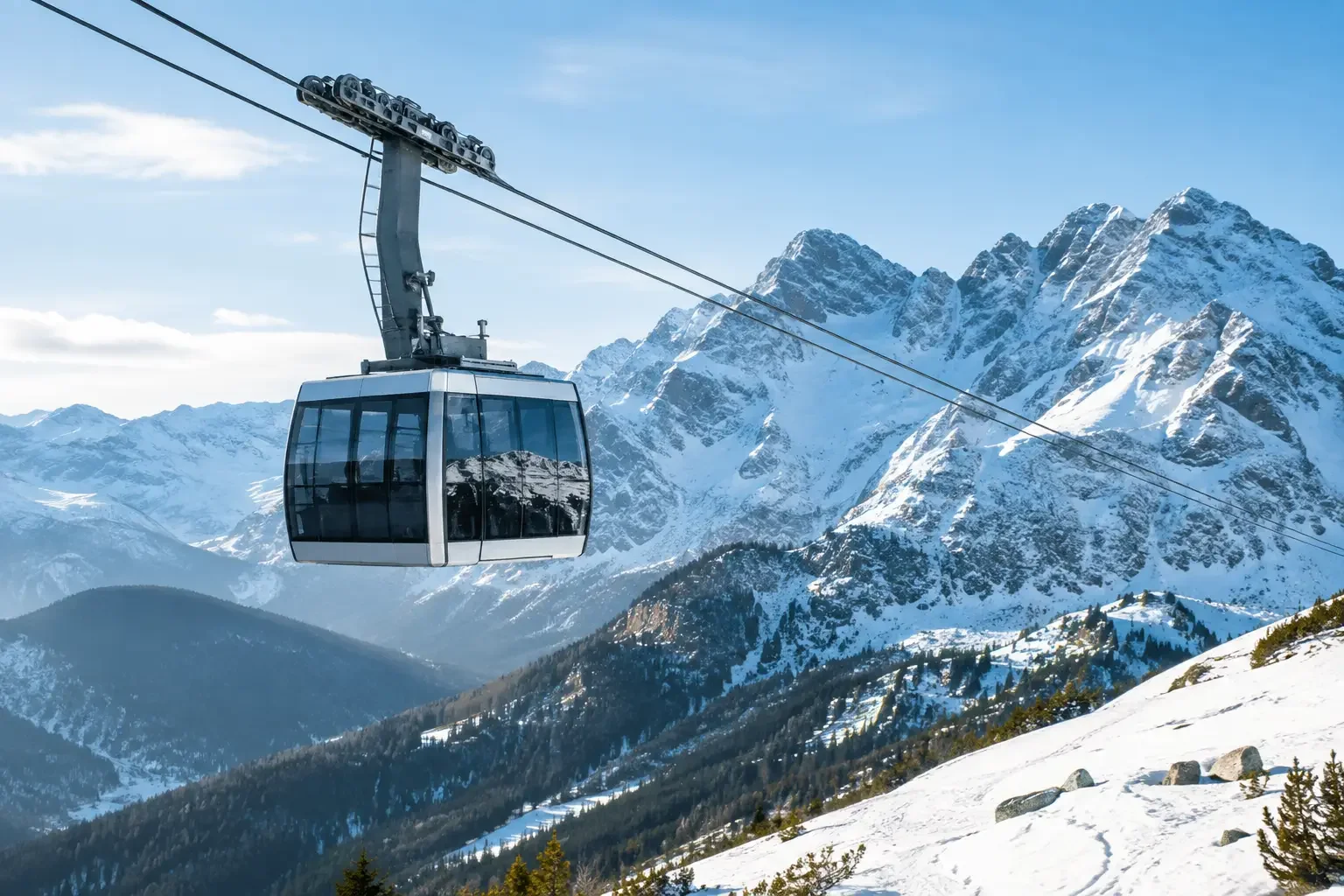
The cable car to Kasprowy Wierch generally runs all year, every day, but the exact hours change with the season. In summer the day is longer, in winter the operating window is often shorter, and in the shoulder seasons there can be adjustments for conditions or technical work. Do not assume that hours found in an old post, or in a screenshot from a friend, will still be current on the day you go.
The most sensible rule is simple: check the current timetable the evening before the trip, and again in the morning. That matters especially on days with a strong wind, snowfall, freezing rain, or storms in the forecast. On Kasprowy the weather is under no obligation to cooperate with your holiday plan.
The cable car goes from Kuźnice to the top in two sections, with a change at Myślenickie Turnie. The ride itself is quick, but the whole operation does not end when you step into the cabin. You still have to get to Kuźnice, pass the ticket check, line up in the right place, and accept that when it is busy, getting people on board takes a while.
Weather can stop the cable car
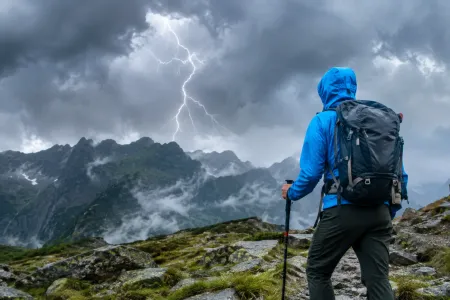
The most common reason for a change in service is a strong wind. It can be calm down below, even warm, while higher up the gusts are strong enough that the cable car is limited or stopped. In winter, ice on the infrastructure, heavy snowfall and poor visibility join in. In summer the problem is often thunderstorms, especially when storm cells build quickly in the afternoon.
This is not the staff being difficult, and it is not an attraction of the “maybe it will work out” kind. A suspension means the conditions are not safe for carrying people. Trying to force a decision with a message about a paid-for night’s stay will not change anything.
If the forecast shows wind or storms, do not build the day so that the last possible descent is your only way out. Up top it is worth having a warm layer, a waterproof jacket and a charged phone, even if you are only going “for a moment to take a photo”.
Inspections and technical breaks
The second reason is planned technical work. A cable car needs checks, maintenance and periodic inspections, so there are days, or longer periods, when it does not run. That often falls outside the main summer peak, but it is not a rule you should build a trip on.
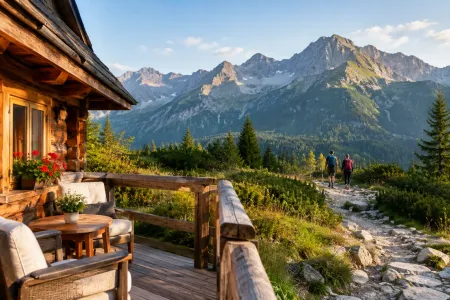
If the ride up Kasprowy is the main goal of your stay, have a plan B. A good backup can be a walk through Dolina Kościeliska or Dolina Chochołowska, a hike to the hut on Hala Ornak, or a calmer viewpoint route in stable weather. Do not suddenly turn a closed cable car into an ambitious high-mountain climb if you do not have the fitness, the gear, a map and the experience. That is a straightforward way to come back after dark looking like someone who misjudged their own limits.
When should you buy a ticket for Kasprowy?
On public holidays, in the summer holidays, during the winter school break and on fine weekends, tickets for specific times can disappear very quickly. Buying ahead is then sensible, especially if you are travelling with children, have a tight plan, or are only in Zakopane for one day.
There is another side to it. A morning ticket gives you more time for a walk along the ridge, a descent to Hala Gąsienicowa, or a calm look at the panorama, but it raises the chance that morning fog will hide absolutely everything. A later ticket can mean better visibility, and also a bigger crowd and less spare time if the weather starts to turn.
For people who just want to go up, look around and come back down, the first half of the day works well. For hikers planning a walk after the ride, an earlier time is even better. Not because you need to set records, but because the Tatras like afternoon storms, and in autumn and winter they take the light away quickly.
Do not confuse the ticket up with a plan for getting back
Before you buy, check that you have a descent at a time that actually fits your plan. That matters especially if you want to walk on after the ride: to Czerwone Wierchy, towards Świnica, to Murowaniec, or simply down through Hala Gąsienicowa. A route on the ground does not always move at the pace saved in an app, and the cable car will not wait because you stopped for thirty photos.
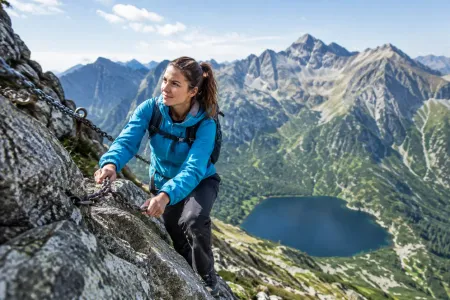
If you plan to walk down, have an alternative in case conditions worsen. Tired legs, wet rock and fog are a poor trio, especially for people who have mostly walked the valleys before. A high starting point does not make the rest of the hike easy.
How do you get to Kuźnice without the stress?
Kuźnice is the starting point, but you do not drive a car up to the station the way you would to a shopping centre. Getting there and parking need sorting earlier, especially in season. Leaving the car far from the entrance, a jam on the road, and the walk to the station can eat more time than you expect.
For a timed ticket, arrive with a margin. Do not turn up five minutes before departure after a long walk from the car park, counting on everyone to let you through. In season the queue of people can look like a human snake that grows faster than your appetite after the climb to Morskie Oko.
Take water, a light snack and an extra layer. It is noticeably colder up there than in Zakopane, and the wind can turn a summer T-shirt into a very poor joke. For small children and people who feel the cold, that is not a detail. It is what keeps the trip from ending in tears and a quick retreat.
Is the cable car worth it if you are not planning a hike?
Yes, as long as your expectations are realistic. The ride gives you high-mountain scenery without a multi-hour climb, which is excellent for families, people with limited mobility, or visitors who do not feel up to a full-day route. In good visibility the panorama does the work, and you do not have to pretend that every trip to the Tatras has to end with a ridge crossing.
Kasprowy is not a viewing terrace in the middle of town. A few steps from the station can mean a cold wind, slippery ground, snow even when Zakopane smells of spring, and very limited visibility. Shoes with a decent sole make sense here all year. Leave the flip-flops for the hotel breakfast.
In winter there is also skiing and snow conditions. The cable car can be running, but that does not automatically mean every slope, trail or run is open to the same extent. If you are going to ski, check not only whether the cable car is moving, but also which runs are open, the wind, avalanche limits off the marked runs, and the actual state of the snow.
The best plan for Kasprowy does not start with “it’ll be fine somehow”. It starts with checking the timetable, the weather, and your own backup. If the cable car runs, you get the day without the stress. If it stops, you can still have a good Tatra outing, as long as you are not trying to beat the mountains with stubbornness.

 2026-09-28
 2026-09-19
 2026-10-05
 2026-10-04
 2026-10-03
 2026-10-02
 2026-10-01
 2026-09-30
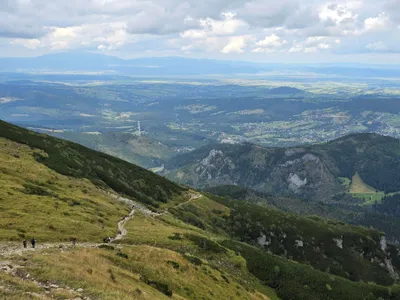 Distance: 18.5 kmDuration: 8 h 09 min
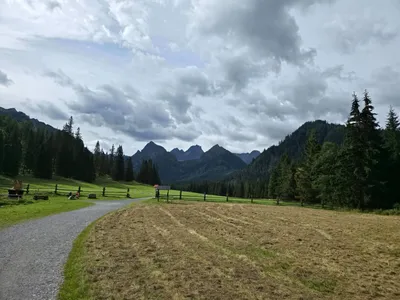 Distance: 24.7 kmDuration: 7 h 38 min
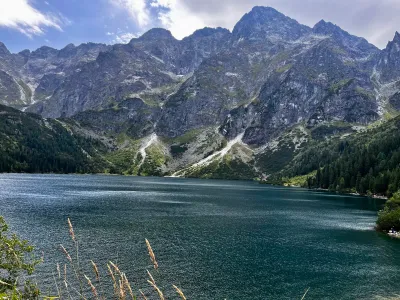 Distance: 16.5 kmDuration: 5 h 45 min
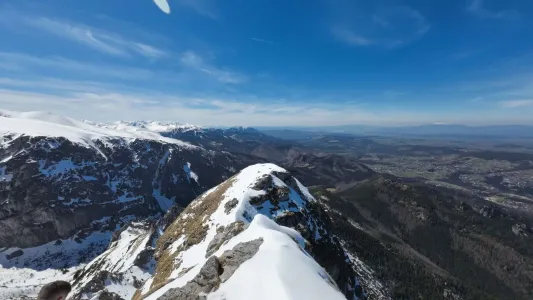 Distance: 6 kmDuration: 3 h 15 min
 Distance: 18.1 kmDuration: 6 h 50 min